Introduction
The cinematic landscape often revisits its grandest tales, and Ben-Hur (1959) stands as a monumental example. This epic promised audiences a return to a time when stories were told on a colossal scale, brimming with historical drama and personal vendettas. It's the saga of two brothers, one Roman and one Jewish, whose lives are irrevocably altered by betrayal, setting the stage for a sweeping tale of revenge and redemption.
The Lead Dynamic & The Action
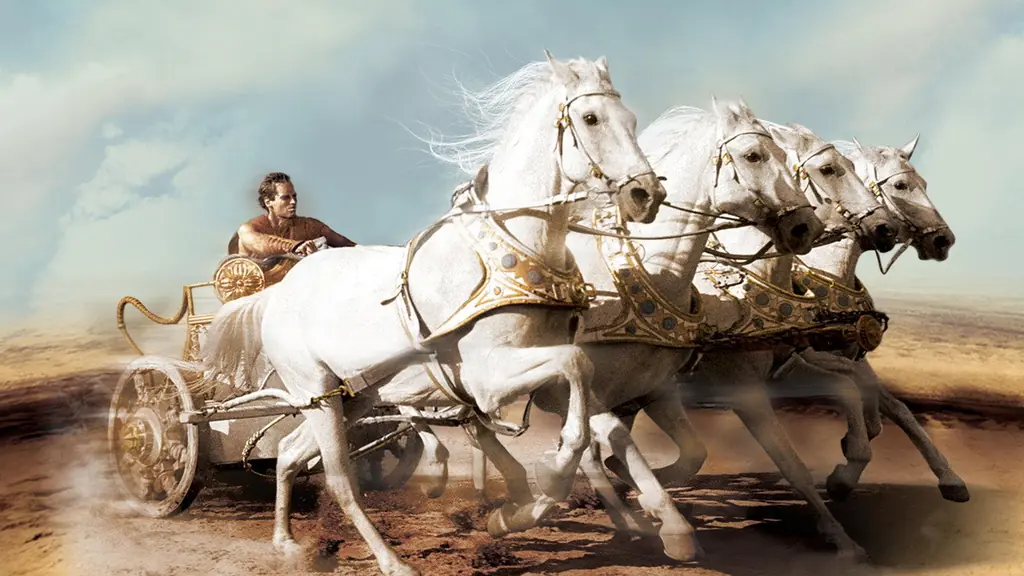
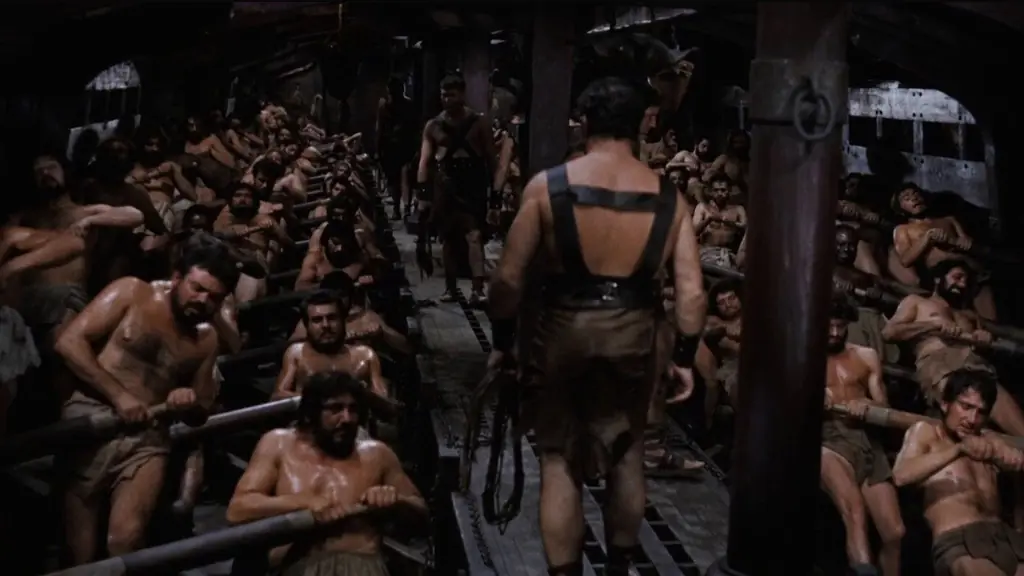
At its core, Ben-Hur hinges on the fraught relationship between Judah Ben-Hur, played by Charlton Heston, and his adopted brother Messala, portrayed by Stephen Boyd. Their dynamic, though initially wonky in the film's opening half-hour, eventually solidifies into a compelling rivalry. The narrative truly ignites when Ben-Hur is sold into slavery, transforming the film into an exhilarating ride. The standout 'ship scene' is a masterclass in tension and spectacle, easily one of the film's coolest sequences. Of course, no discussion of Ben-Hur is complete without mentioning the legendary chariot race – a thrilling, exciting, and utterly entertaining set piece that lives up to its iconic status. The commitment to these roles drives the emotional weight of their escalating animosity.
Cameos, Nostalgia & Narrative Stakes
While the central conflict between Ben-Hur and Messala provides ample dramatic thrust, the film occasionally struggles with its pacing and certain supporting roles. The initial thirty minutes feel disjointed, jumping through time too quickly, suggesting a longer cut might have served the story better. A particular supporting character, described by one reviewer as delivering a detached performance, can pull focus from the intense drama unfolding. The narrative also weaves in the story of Ben-Hur's mother and sister, who are afflicted with leprosy, adding a layer of personal tragedy that fuels Ben-Hur's quest for vengeance. However, the film's climax, involving the crucifixion of Jesus and a subsequent 'magic rain' that cures the lepers, feels incredibly drawn out and ultimately undermines the film's earlier strengths.
Tone, Direction & Creative Freedom
William Wyler's direction initially struggles to find its footing, but once Ben-Hur's journey into slavery begins, the film shifts gears, becoming genuinely engaging. The epic scale is undeniable, and for a significant portion, the film manages to balance its grandiosity with personal stakes. Yet, the final act takes a bizarre turn, introducing a level of saccharine cheesiness that feels entirely out of place. The 'magic rain' cure and the sudden, unearned reconciliation between the brothers, complete with a detached voiceover and overly sentimental music, completely derail the emotional impact built throughout the preceding hours. It's an ending so jarringly bad, it retroactively diminishes the enjoyment of the film's more compelling moments, leaving a lasting impression of narrative misjudgment.
The Final Verdict
Ben-Hur is a film of two halves: one a compelling, action-packed epic with a strong central conflict, and the other a bewildering, cheesy conclusion that threatens to undo all the good work. While the ship scene and the legendary chariot race are undeniably thrilling, and the brotherly dynamic holds significant weight, the film's final moments are a baffling misstep. It's a cinematic experience that offers moments of genuine excitement and drama, but ultimately leaves a lingering sense of disappointment due to its profoundly flawed resolution. Approach with caution, and be prepared for an ending that might just ruin the ride.
What Worked
- Thrilling and iconic chariot race
- Intense and well-executed ship scene
- Compelling revenge dynamic between brothers
- Epic scale and grand spectacle
- Engaging after initial pacing issues
What Didn't Work
- Disjointed and wonky first half-hour
- A supporting performance lacks commitment
- Overly long and dragging ending
- Cheesy, unearned, and baffling resolution
- "Magic rain" plot device undermines narrative stakes