
Introduction
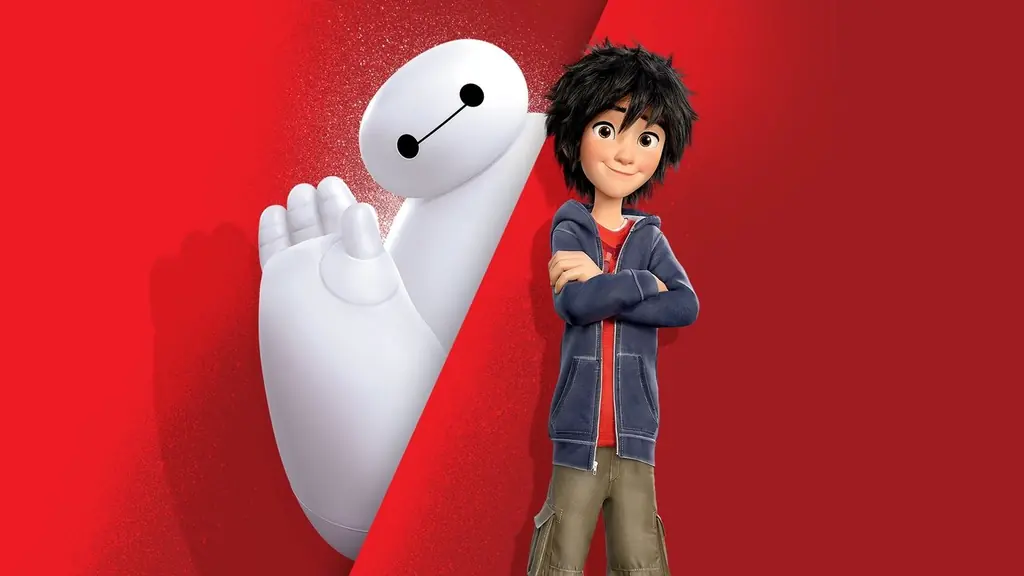
From the moment Disney announced a Marvel property would get the animated treatment, anticipation for Big Hero 6 soared. This vibrant adventure introduces audiences to Hiro, a brilliant young inventor, and his brother's most endearing creation: Baymax, a plush, squishy, science-robot-turned-healthcare-companion. What truly sets the stage is how effortlessly the film makes science not just cool, but genuinely exciting, showcasing a group of bright young minds whose passion for innovation is infectious.
The Lead Dynamic & The Action
At the heart of Big Hero 6 lies the irresistible charm of Baymax, voiced by Scott Adsit. This "Michelin man looking guy" is so incredibly likable, audiences will instantly want to give him a hug. He's a big, lovable marshmallow, programmed with tunnel vision that hilariously clashes with the complexities of human life and traffic laws. His uninformed innocence creates some of the film's most genuinely funny scenarios. When it comes to action, the villain is a formidable foe, described as a "Doc Ock from hell," wielding waves of nanobots that form arms and carry him around, creating a visually stunning and truly cool spectacle.
Cameos, Nostalgia & Narrative Stakes
While the core duo shines, the supporting cast of friends, likened to an animated "Goonies" with science smarts, feels somewhat underdeveloped. They're introduced, disappear for a stretch, and then reappear with cool gear, which is neat, but their integration feels a bit forced. The film, directed by Chris Williams, also grapples with noticeable pacing issues. Despite its brisk 90-minute runtime, there are moments where the narrative drags, prompting even the target audience to ask, "Mom, how long is this movie?" A more significant critique arises from the film's reluctance to embrace emotional realism. A pivotal tragedy occurs, yet the film shies away from using the word "dead," opting for "gone." This creative choice, while perhaps intended to soften the blow for younger viewers, ultimately diminishes the emotional impact, leaving a sense of missed opportunity for genuine depth.
Tone, Direction & Creative Freedom
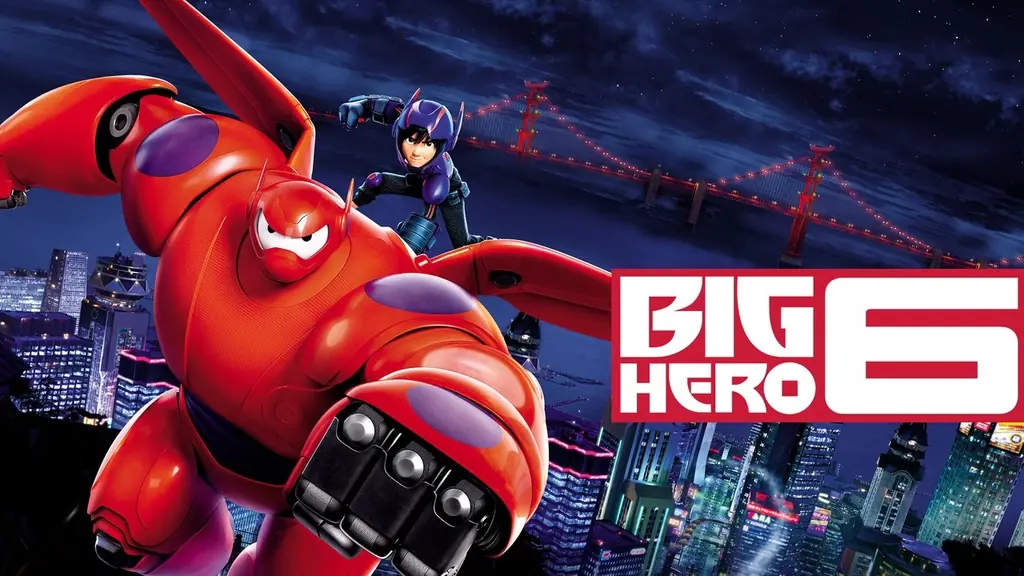
Visually, the world of Big Hero 6 is a triumph, a stunning hybrid of San Francisco and Tokyo that feels both familiar and fantastical. The animation is top-notch, creating an immersive backdrop for the adventure. The overall tone is fun and adventurous, successfully blending action, comedy, and heartfelt moments. However, the aforementioned avoidance of confronting difficult themes head-on suggests a slight hesitation in fully committing to the emotional stakes, preventing the film from reaching its full potential for profound impact.
The Final Verdict
Despite minor stumbles in pacing and a cautious approach to emotional depth, Big Hero 6 is an undeniably great time. It's a fantastic adventure that champions intelligence and empathy, anchored by the unforgettable duo of Hiro, voiced by Ryan Potter, and the utterly charming Baymax. This is a film that truly delivers on its promise of fun, making it a definite must-watch for families and anyone looking for a heartwarming, action-packed animated ride. It's the kind of movie you'll want to own and revisit.
What Worked
- Baymax is an incredibly lovable and hilarious character.
- Makes science and innovation genuinely cool and exciting.
- Visually stunning world design blending San Francisco and Tokyo.
- Engaging action sequences, especially the nanobot villain.
- Heartwarming story about friendship and family.
What Didn't Work
- Pacing issues cause the film to drag at points.
- Supporting friends feel underdeveloped and underutilized.
- Avoidance of using "dead" diminishes emotional impact.
- Missed opportunity for deeper emotional resonance.



