
Introduction
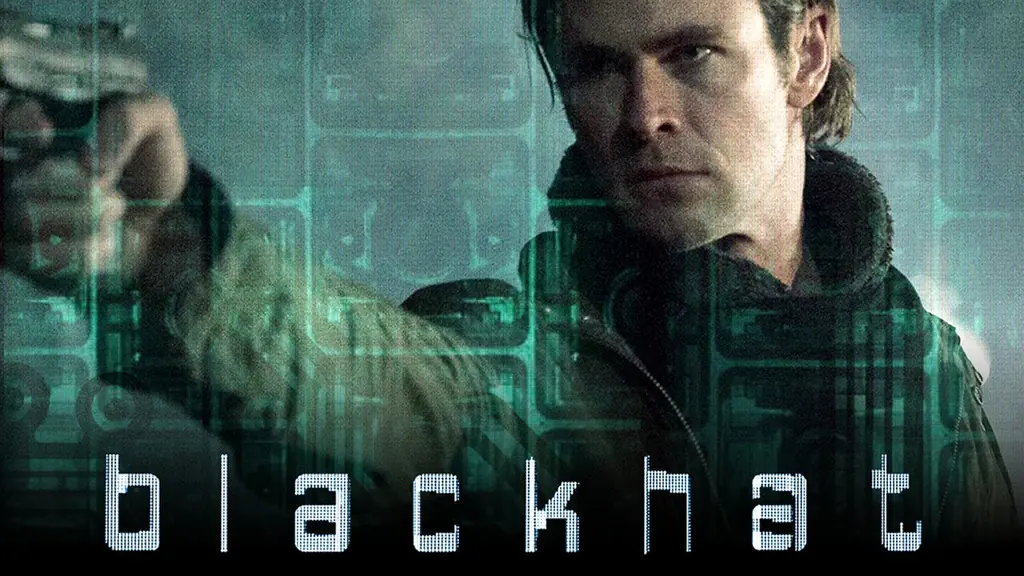
In the cinematic landscape of January 2015, expectations for Blackhat were a mixed bag. With Michael Mann at the helm—a director celebrated for gritty, intense thrillers like Heat and Collateral—and Chris Hemsworth stepping into the role of a cyber-hacker, the promise of a stylish, high-stakes digital cat-and-mouse game seemed within reach. The premise: a brilliant hacker, fresh out of jail, is recruited to track down a dangerous cybercriminal. Yet, what audiences received was a film that, despite its pedigree, often felt like a struggle to stay awake.
The Lead Dynamic & The Action
Blackhat serves as a curious case study in movie stardom. The presence of Chris Hemsworth was clearly intended to elevate the material, yet his character, much like everyone else in the film, comes across as remarkably unengaging. The film's attempt at a romantic subplot is particularly unconvincing; it feels less like genuine connection and more like a perfunctory inclusion. As one might observe, the chemistry between Chris Hemsworth and Tang Wei never quite ignites, leaving their interactions flat.
However, where the film occasionally sparks to life is in its action sequences. When Michael Mann delivers a shootout, he delivers. These moments are visceral, loud, and immersive, making the audience feel as though they are right in the thick of the chaos. The sound design is impeccable, and the intensity is undeniable. These brief, explosive bursts of action are undeniably the film's strongest asset, offering a glimpse of the thrilling potential that largely remains untapped.
Cameos, Nostalgia & Narrative Stakes
The narrative of Blackhat is, to put it mildly, a mess. The plot struggles to maintain coherence, and the antagonists are so generic and forgettable that their motivations and presence barely register. Characters like Leehom Wang and Viola Davis are present, but the film fails to give them any memorable impact. The stakes, despite involving global cyber-terrorism, often feel surprisingly low due to the lack of compelling character development and a convoluted storyline. The film's first half, in particular, is a slog, leaving viewers disengaged and waiting for something—anything—to happen.
Tone, Direction & Creative Freedom
Michael Mann's signature style is evident in the film's visual flair and the aforementioned action sequences, but it's not enough to salvage the overall experience. The pacing is uneven, with long stretches of dull exposition punctuated by brief, albeit excellent, action. The film struggles to find a consistent tone, oscillating between a serious cyber-thriller and a surprisingly bland character study. While there are moments that hint at a more effective film—a clever twist here, an unexpected turn there—they are too few and far between to sustain interest. The film's potential is constantly undermined by its inability to keep the audience invested in its characters or its convoluted plot.
The Final Verdict
Blackhat is a film that promises much with its acclaimed director and charismatic lead, but ultimately delivers a largely forgettable experience. While Michael Mann's action sequences remain a highlight, the film's narrative is a tangled web of clichés and uninspired performances. It's a movie that occasionally shines with a "neat" moment or an "effective" sequence, but these gems are buried under an hour of tedious setup and a generally messy execution. For those seeking a truly engaging cyber-thriller, this one might just put you to sleep.
What Worked
- Visceral, well-executed Michael Mann action sequences
- Immersive sound design during shootouts
- Brief moments of cleverness or unexpected plot turns
- Chris Hemsworth's undeniable star presence
What Didn't Work
- Pacing issues, with a slow and often boring first half
- Unconvincing and forgettable romantic subplot
- Generic and unmemorable antagonists
- Overall messy and convoluted narrative



