Introduction
Before Bloodshot even hit theaters, there was a buzz, a certain expectation for what a Vin Diesel-led comic book adaptation might deliver. Would it be a gritty, groundbreaking take on the Valiant Comics character, or another entry in the actor's long line of cheesy sci-fi action romps? Screenverse approached this one with a healthy dose of skepticism, ready to call it as we saw it, no matter the studio's hopes.
The Lead Dynamic & The Action
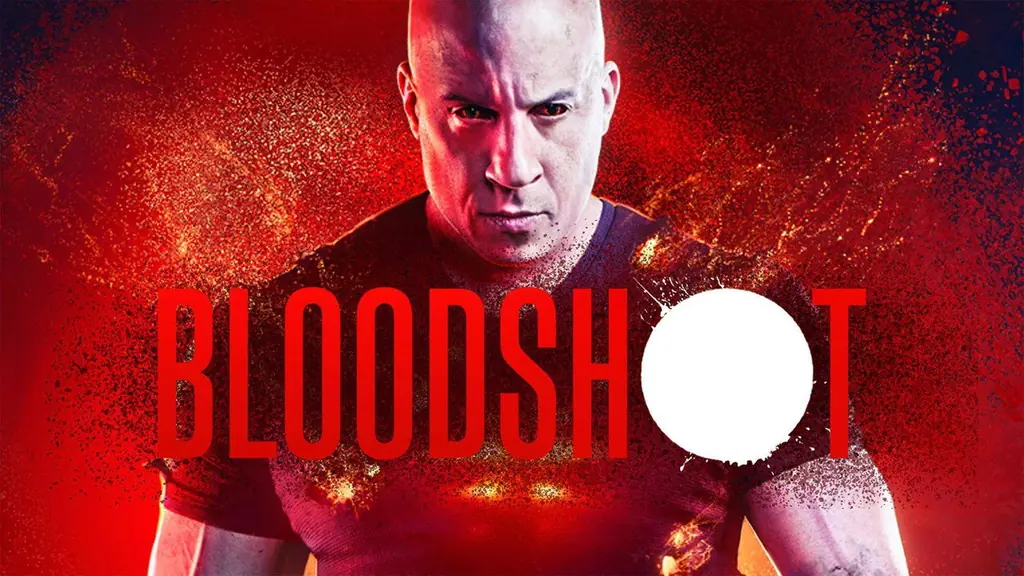
From the outset, Bloodshot leans heavily into the kind of early 2000s action movie aesthetic that defined much of Vin Diesel's career. As the nanobot-infused soldier Ray Garrison, Diesel is resurrected by a shadowy corporation, his memories manipulated, setting him on a path of vengeance. The film's first act, in particular, embraces this cheesy charm, delivering a straightforward, almost nostalgic action experience that fans of classic B-movies might appreciate. It’s the kind of over-the-top fun reminiscent of a Van Damme flick, where the sheer audacity of the action can carry you through. However, as the narrative progresses, the film struggles to maintain this balance, attempting to amp up the stakes with "more plot" but ultimately delivering "zero intrigue." The action, while present, never quite elevates beyond the generic, failing to create truly memorable set pieces that stand out.

Cameos, Nostalgia & Narrative Stakes
Bloodshot's core premise—a super-soldier with manipulated memories seeking truth—is ripe for a compelling, twisty narrative. Yet, the film consistently undermines its own potential for intrigue. Instead of allowing the audience to piece together the mystery, the script opts for constant, on-the-nose explanations. Characters frequently "word vomit" crucial plot details, holding the viewer's hand through every revelation. This approach stifles any sense of discovery or narrative tension, making what could have been a thrilling unraveling feel like a tedious lecture. The film's reliance on exposition over organic storytelling means that any potential for genuine stakes or emotional investment is quickly diluted, leaving a hollow experience that feels more generic than engaging.
Tone, Direction & Creative Freedom
Under the direction of David S. F. Wilson, Bloodshot attempts to blend gritty action with a sci-fi premise, but the execution often falls flat. The tone oscillates between embracing its inherent cheesiness and trying to be a serious, thought-provoking thriller, without fully committing to either. This tonal inconsistency, coupled with a script that prioritizes explanation over exploration, results in a film that feels safe and predictable. It's as if the filmmakers were afraid the audience wouldn't grasp the plot, leading to an overabundance of expository dialogue that robs the movie of any creative freedom or wild abandon. The result is a film that, despite its promising premise, ultimately settles for being a forgettable entry in the sci-fi action genre.
The Final Verdict
Ultimately, Bloodshot is a film that promises a thrilling ride but delivers a generic stroll. While its initial embrace of cheesy action might appeal to some, the narrative quickly devolves into a series of over-explained plot points and predictable turns. It’s the kind of movie that, despite its efforts, fades from memory almost as soon as the credits roll. For those seeking a truly engaging or innovative sci-fi action experience, this one might leave you wanting more. It's a film that had all the ingredients for something intriguing but chose to serve up something decidedly bland.
What Worked
- Embraces a fun, cheesy action vibe in its opening act.
- Intriguing core premise of a nanobot-enhanced soldier.
- Vin Diesel delivers his signature action hero persona.
What Didn't Work
- Suffers from excessive plot explanation, killing intrigue.
- Becomes a generic, forgettable sci-fi action flick.
- Lacks narrative depth, feeling like "more plot, zero intrigue."
- Dialogue often feels on-the-nose and expository.