Introduction: A Hero's Dark Reflection
What if the beacon of hope from another world landed on Earth, not to save humanity, but to terrorize it? That's the chilling premise of Brightburn, a film that promised to flip the superhero narrative on its head. The trailers hinted at a horror-infused "Elseworlds" take on a certain iconic Kryptonian, and the anticipation was palpable. Audiences were ready for a deconstruction, a clever dismantling of the "boy scout" archetype. While Brightburn certainly delivers on the horror, it opts for a more straightforward, albeit entertaining, path rather than a deep dive into villainous psychology.
The Lead Dynamic & The Action: Stalking and Shock
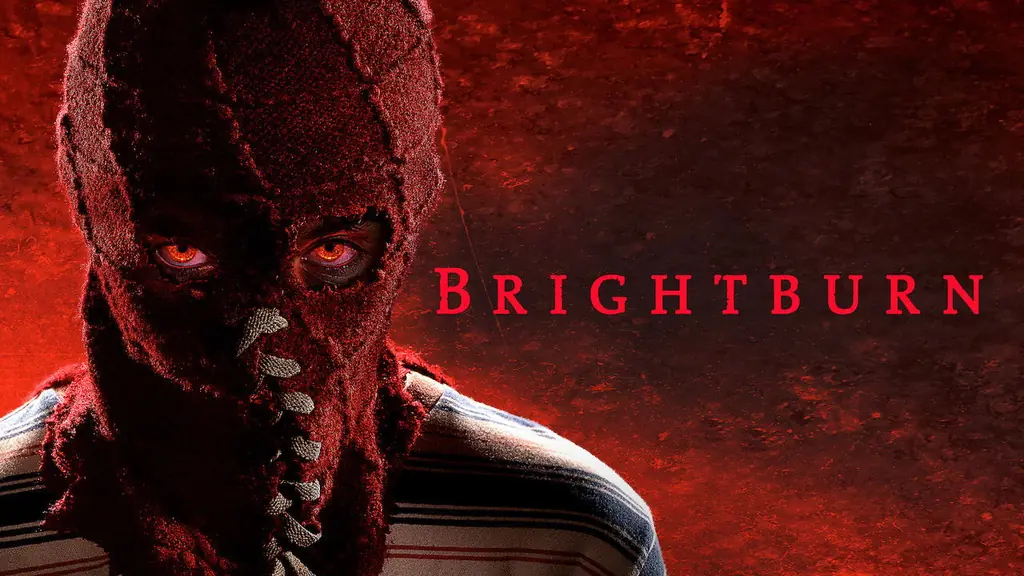
At its core, Brightburn presents Brandon Breyer as a psychopathic serial killer with god-like powers. The film's thrills and horror elements are, for the most part, effective. There are moments of genuine tension, particularly in the stalking sequences, which show promise. However, the overall impact of the deaths and violent acts feels "all right" rather than groundbreaking. One particularly cool moment, involving a car, might have landed harder if a similar concept hadn't been explored in "Injustice: Gods Among Us." Director David Yarovesky crafts a disturbing atmosphere, but the film doesn't necessarily feel like the work of a seasoned horror veteran.

Cameos, Nostalgia & Narrative Stakes: A Missed Opportunity for Depth
The film's genius lies in its premise: Superman, but he's bad. Yet, Brightburn largely sidesteps the opportunity for a deeper character study. Instead of a gradual, tragic descent into villainy, where Brandon slowly justifies increasingly dark actions, the film takes an "easy route." His transformation is abrupt, triggered by a message from his ship, leading to a sudden shift from troubled kid to full-blown menace. This approach saves about half an hour of character development, leaving viewers wishing for the nuanced exploration of a character's fall, akin to films like Chronicle starring Dane DeHaan. The narrative stakes, while present in the immediate danger Brandon poses to his parents Elizabeth Banks and David Denman, feel less about a complex moral unraveling and more about a super-powered slasher.
Tone, Direction & Creative Freedom: Embracing the Horror
David Yarovesky leans heavily into the horror aspect, delivering a film that is unapologetically dark. While some might have hoped for a more intellectual deconstruction of the superhero mythos, Brightburn commits to being a straight-up horror movie where people die. The tone is consistent, maintaining a sense of dread as Brandon's powers manifest with terrifying consequences. The film doesn't shy away from the brutality inherent in its concept, allowing the filmmakers the freedom to explore the darker side of superhuman abilities without the constraints of traditional superhero tropes.
The Final Verdict: A Surprisingly Good Time
Despite its narrative shortcuts, Brightburn proves to be a surprisingly entertaining watch. It's essentially "Superboy the stalker," terrorizing a small town that isn't Smallville. For those who went in with tempered expectations, perhaps even anticipating a "bus fire" of a film, the experience was a pleasant surprise. It's a good time, delivering on its promise of a dark, violent twist on a familiar origin story, even if it doesn't fully explore the psychological depths it could have.
What Worked
- Genius premise: a "Superman but he's bad" scenario.
- Effective and disturbing horror elements, especially stalking scenes.
- Delivers a surprisingly entertaining and violent experience.
- Commits fully to its dark, horror-driven tone.
What Didn't Work
- Lacks a deeper deconstruction of the Superman character.
- Missed opportunity for a gradual, character-driven descent into villainy.
- Relies on an "easy route" for the antagonist's motivation.
- Horror moments are good but not entirely original or groundbreaking.