
Introduction
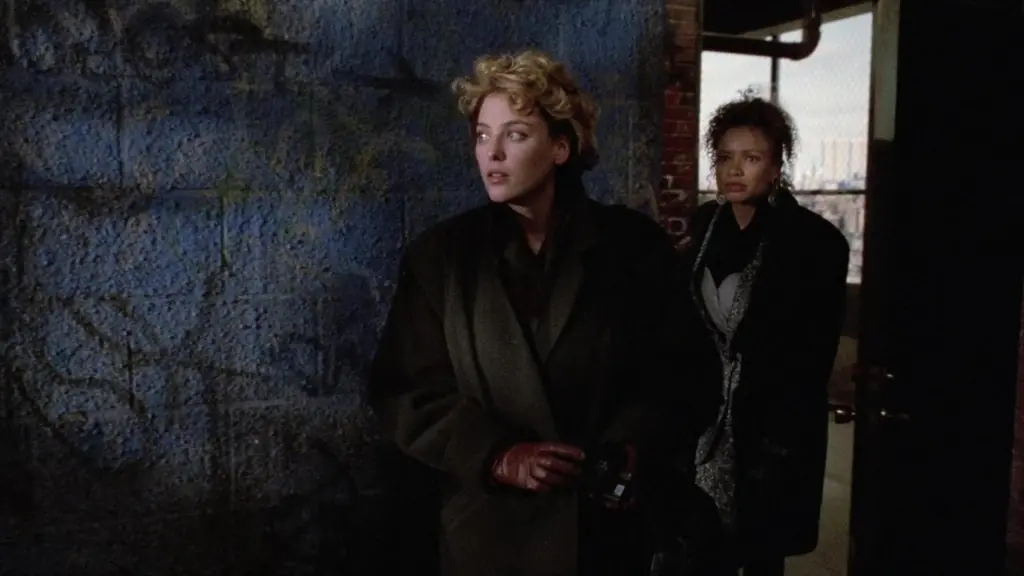
Candyman arrived in 1992, a year that also brought us Bram Stoker's Dracula, yet this film carved out its own terrifying niche. It stars Virginia Madsen as Helen, a graduate student delving into urban legends, a quest that leads her directly to the chilling tale of Candyman.
For many, the whispers of Candyman were already a childhood terror, a legend passed down on school buses, far more potent than any Freddy Krueger or Jason Voorhees tale. This pre-existing lore, a testament to the power of belief, sets the stage for a horror experience unlike any other.
The Lead Dynamic & The Action
What truly sets Candyman apart is its compelling investigative core. This isn't merely a slasher flick; it's a psychological thriller with horror elements that hit the bullseye. The narrative carries audiences through a mystery, driven by characters that demand attention, rather than just a parade of victims.
The film's genius lies in its sparing, yet impactful, use of Tony Todd as Candyman. His booming voice is a character in itself, a sound wave that pierces through the skull, embedding itself in the listener's mind. This deliberate restraint keeps his presence special, making every appearance resonate with terrifying power.

Cameos, Nostalgia & Narrative Stakes
The plot of Candyman is nothing short of brilliant. It cleverly establishes that Candyman's power stems from belief. When the legend begins to fade, he must appear and commit horrific acts to rejuvenate the stories, ensuring his terrifying legacy endures. This intricate logic elevates the horror beyond simple jump scares, providing a profound, unsettling foundation.
Unlike many horror films of its era, Candyman avoids gratuitous gore. While horrific imagery and violence are present, they are always necessary, always driving the narrative forward. The shock value serves a purpose, making each impactful scene resonate deeply rather than feeling like cheap thrills.
Tone, Direction & Creative Freedom
Bernard Rose's direction masterfully crafts a tone that is both beautiful and chilling. The film's musical score is a standout, hitting all the right notes to perfectly illustrate the unsettling atmosphere. A great score can elevate a horror film, and Candyman boasts one of the best, cementing its place among the genre's greats.
This film transcended its own genre, proving that horror could be compelling and intelligent, not just "schlock." It's not merely a great horror movie of the 90s; it stands tall against any horror film from any decade, earning its place among the classics.
The Final Verdict
Candyman is more than just a horror movie; it's an "awesome tacular" experience that lingers long after the credits roll. Its unique blend of psychological depth, compelling investigation, and iconic performances makes it a must-watch for any horror aficionado.
What Worked
- Compelling investigative psychological thriller.
- Brilliant plot centered on the power of belief.
- Sparing yet impactful use of Tony Todd as Candyman.
- Iconic, booming voice performance by Tony Todd.
- Amazing and chilling musical score that elevates the atmosphere.
- Gore is necessary and impactful, never gratuitous.
- Elevated the horror genre beyond typical slasher fare.
What Didn't Work
- Its deliberate pacing might not satisfy those seeking non-stop slasher action.
- The horror is more psychological, potentially less visceral for some gorehounds.
- Limited direct screen time for the titular villain, though used effectively to enhance his mystique.



