Introduction
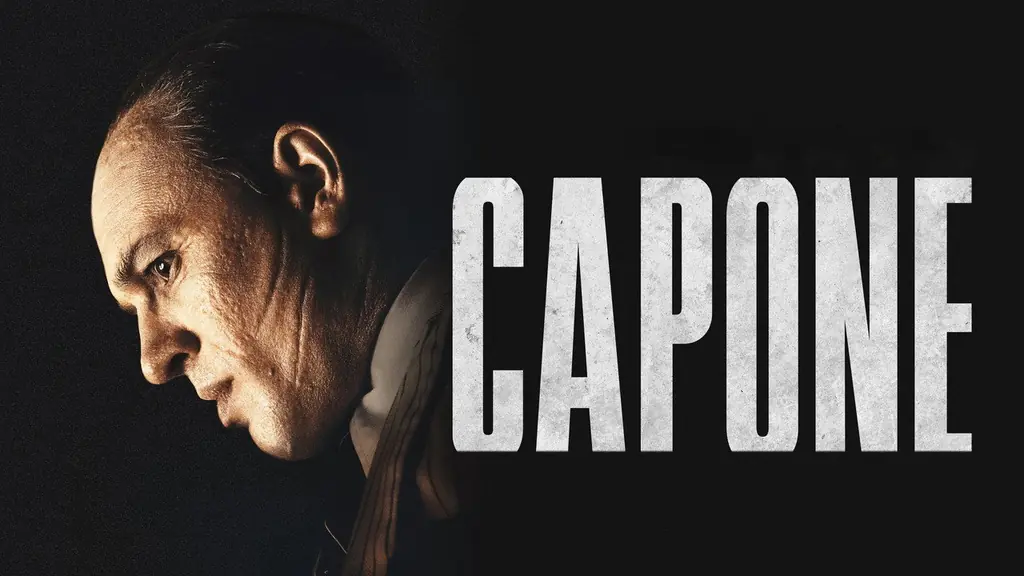
Anticipation for a new Capone film, especially one helmed by Josh Trank and starring the formidable Tom Hardy, was palpable. Yet, this isn't the mob epic many might have envisioned. Instead, Capone delivers a stark, unsettling portrait of the notorious gangster's final, fractured days, focusing intensely on his mental and physical deterioration due to syphilis. It's a bold, unconventional approach that challenges expectations from the opening frame.
The Lead Dynamic & The Action
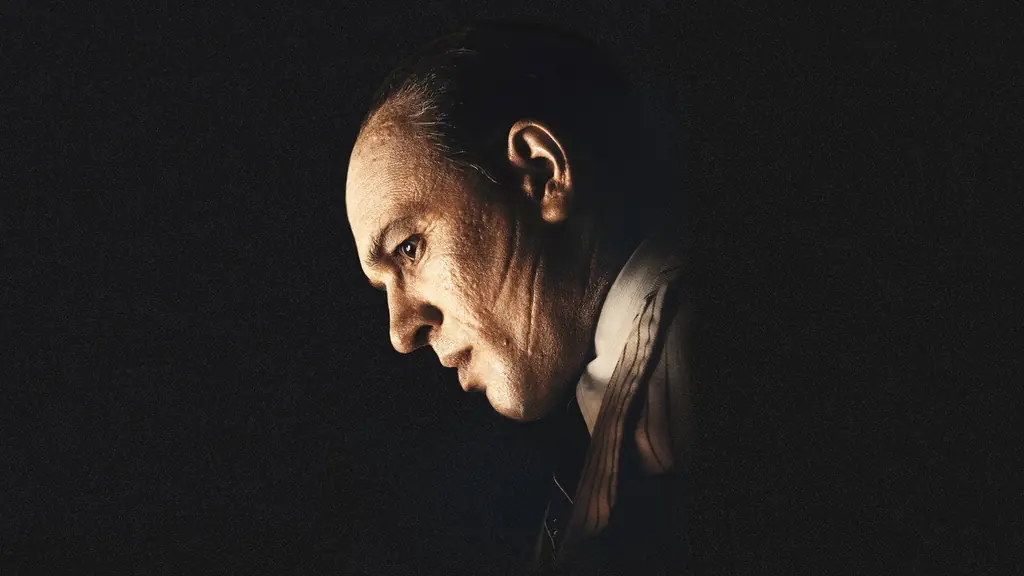
Tom Hardy once again proves his chameleon-like ability, delivering a performance that is both physically demanding and deeply internal. He masterfully conveys the agonizing decline of Al Capone's mind, showcasing the torment and confusion without relying on overt action. It's a testament to his craft that even when his character is physically limited, the intensity of his portrayal never wanes. Complementing this is Linda Cardellini as Capone's wife, who emerges as the undeniable heart and soul of the film. Her performance anchors the narrative, providing the emotional weight that makes Capone's tragic situation resonate with the audience. Without her, the film's descent into madness might feel too distant; with her, it becomes a deeply human, albeit disturbing, experience.
Cameos, Nostalgia & Narrative Stakes
Capone assumes its audience is already familiar with the infamous mobster, opting not to provide a traditional origin story or extensive groundwork. This decision allows the film to dive straight into its unique premise, but it also means those unfamiliar with Capone's history might find themselves adrift. Crucially, the film's marketing proved to be a significant misdirection. Descriptions hinting at a treasure hunt for hidden millions or a grand chase for his fortune are entirely misleading. This is not a story of a ruthless businessman protecting his empire; it's a psychological drama about a man haunted by his past. While there are "bloody segments," they are primarily manifestations of Capone's hallucinations and memories, not the tommy-gun action one might expect from a typical gangster flick. Viewers seeking "The Untouchables" will find a vastly different, more introspective experience.
Tone, Direction & Creative Freedom
Josh Trank's direction embraces the film's dark, psychological tone. He skillfully blurs the lines between sanity and insanity, making the audience experience Capone's deteriorating mental state alongside him. This deliberate ambiguity is a strength, ensuring that the confusion and horror of dementia are palpable. The film excels at exploring the haunting repercussions of a life built on monstrous deeds, suggesting that even a figure as powerful as Al Capone cannot escape the specters of his past. It's a bold artistic choice that prioritizes character study over conventional narrative, allowing for a raw and unfiltered look at a man undone by his own history and illness.
The Final Verdict
Capone is far from a perfect film, with some pacing issues that occasionally test patience. However, it's a compelling and often disturbing character study that offers a truly unique perspective on one of history's most infamous figures. For those willing to embrace a psychological drama over a traditional gangster narrative, and who appreciate a powerful, transformative performance from Tom Hardy, this film is a solid, albeit unsettling, watch. It's a reminder that even the most fearsome legends eventually face their own demons, often in the most unexpected ways.
What Worked
- Tom Hardy's compelling portrayal of mental decline.
- Linda Cardellini as the film's emotional core.
- A refreshingly unconventional take on a notorious figure.
- Effectively blurs the line between reality and hallucination.
- Explores the haunting repercussions of a violent past.
What Didn't Work
- Pacing can be uneven.
- Assumes prior knowledge of Al Capone's history.
- Marketing inaccurately portrayed the film's focus.
- Lacks traditional mob action, potentially disappointing some viewers.