Introduction
Captain Phillips plunges audiences into the harrowing true story of a cargo ship hijacked by Somali pirates, offering a stark, unromanticized look at a real-life hostage crisis. Forget the swashbuckling caricatures; this film presents pirates as desperate, dangerous individuals, far removed from any whimsical notions. The film immediately establishes a gripping premise, setting the stage for a high-stakes encounter that feels terrifyingly authentic from the outset.
The Lead Dynamic & The Action
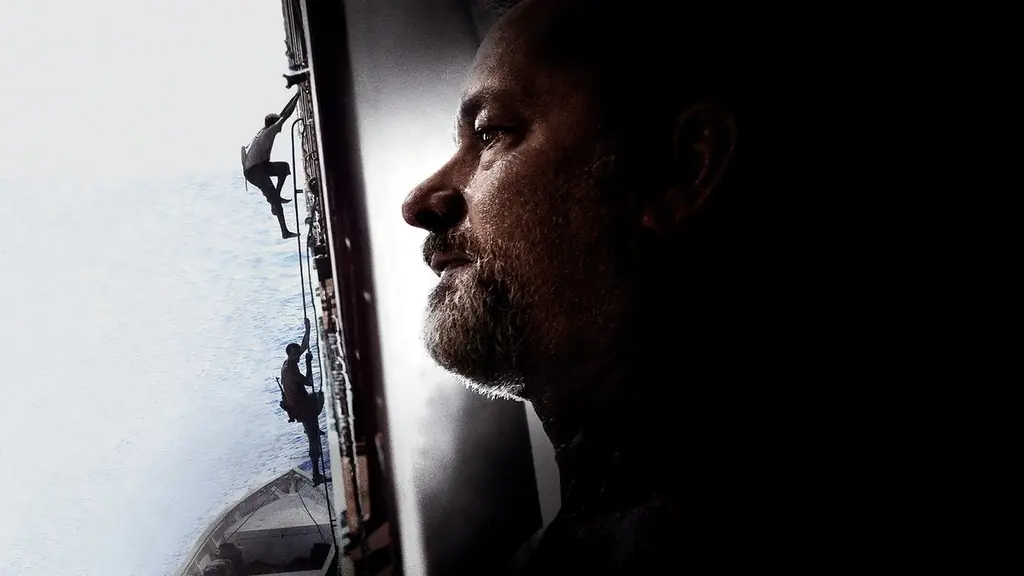
From the moment the pirates board the ship, the tension is palpable. The initial setup is incredibly effective, drawing viewers into the high-stakes situation. The reviewer highlights the sheer intensity of the boarding sequence, making audiences feel the urgency to "just hide" from the intruders. While the film transitions into a hostage scenario, it maintains a grounded realism, depicting the often-static nature of such events. This isn't a non-stop action fest, but rather a slow-burn of psychological warfare and survival.
Tom Hanks delivers a performance that has been lauded by many, and for good reason. While some might hesitate to call it his absolute career-best given his extensive filmography, his portrayal of Captain Phillips is undeniably powerful. There's one particular scene, a raw, visceral depiction of shock, that stands out. It's a moment so convincing, so utterly real, that it elevates the entire film, showcasing Hanks' incredible ability to convey profound human emotion without a single false note. The director's decision to "keep rolling" during this unscripted-feeling moment pays off immensely, creating a truly unforgettable cinematic experience.
Narrative Stakes & Pacing
The narrative pacing of Captain Phillips is a point of discussion. After an incredibly strong and intense opening, the film settles into a more deliberate rhythm during its middle act. This period, while realistic in its depiction of a hostage situation where "not a lot happens" beyond tense standoffs and negotiations, can feel a bit slow for some viewers. Clocking in at around two hours and fifteen minutes, the film's middle section might have benefited from some tightening. However, the final act reignites the intensity, bringing the story to a gripping and satisfying conclusion, pulling viewers back into the heart-pounding drama.
Tone, Direction & Creative Freedom
Paul Greengrass's direction is key to the film's success, grounding the story in a gritty, documentary-like realism. The film excels at portraying the immense pressure faced by the pirates themselves, not in a way that condones their actions, but by showing the desperate circumstances driving them. The performances from the actors playing the pirates, many of whom were brand new to acting, are remarkably authentic and powerful, adding another layer of realism to the harrowing events. Their raw talent contributes significantly to the film's overall impact, making the threat feel immediate and genuine.

The Final Verdict
Ultimately, Captain Phillips is a compelling and intense thriller. Despite a slight dip in pacing during its mid-section, the film's strong setup, powerful performances – particularly that standout moment from Tom Hanks – and its unflinching realism make it a truly worthwhile watch. It’s a film that stays with you, a testament to the human spirit under extreme duress and the harsh realities of the open sea. This is one that earns its place in any serious film collection.
What Worked
- Intense and realistic portrayal of a hostage situation.
- Powerful and authentic performance by Tom Hanks, especially one standout scene.
- Excellent performances from the new actors playing the pirates.
- Strong, gripping setup and final act.
- Unflinching realism of the pirate threat.
What Didn't Work
- Pacing slows down significantly in the middle section.
- Could have been shorter, potentially trimming the middle.
- The realistic "nothing happening" aspect might not appeal to all viewers expecting constant action.