Introduction
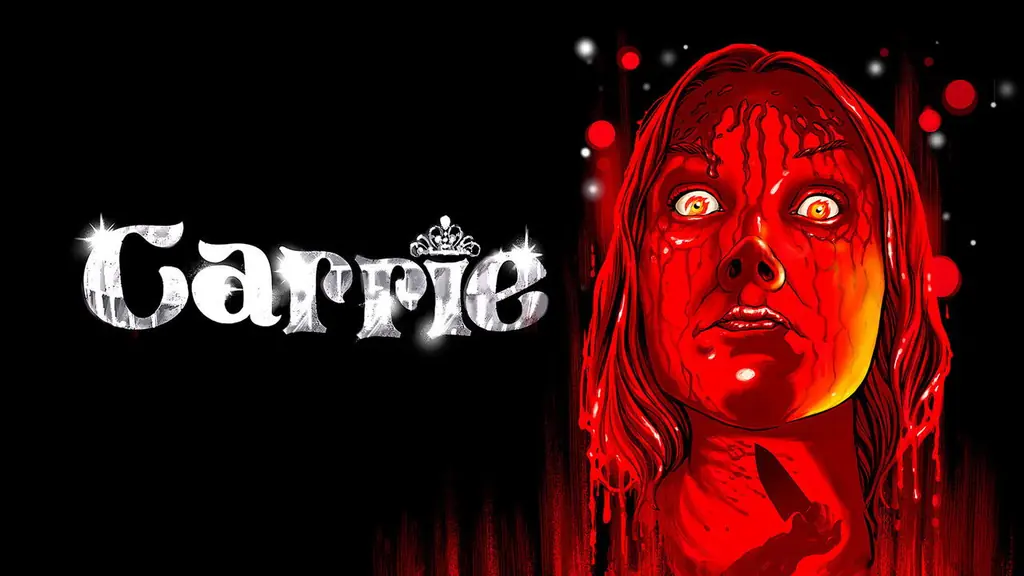
Prom night. For many, it's a rite of passage, a night of glamour and youthful exuberance. But for some, it's a nightmare waiting to happen. For Carrie, the 1976 adaptation of Stephen King's chilling novel, it's the stage for a brutal reckoning. This isn't a story about finding your prince charming; it's about a social outcast pushed to her absolute breaking point, discovering a terrifying power, and making her tormentors pay. If you're looking for a straightforward tale of vengeance, this film delivers exactly what it promises.
The Lead Dynamic & The Action
At the heart of Carrie is Sissy Spacek as the titular character, a timid girl who endures relentless bullying. She's the quintessential outcast, constantly ridiculed and isolated. But the real "freak" in this narrative isn't Carrie; it's her mother, played with terrifying zeal by Piper Laurie. Their dynamic is a twisted, hyper-religious nightmare, akin to "the Flanders family from hell" if they were truly unhinged. Given her circumstances, Carrie is remarkably normal, making her eventual eruption all the more impactful.
The film doesn't waste time with subtlety. It sets up Carrie's torment, reveals her burgeoning telekinetic abilities, and then unleashes the fury. While some might wish for a deeper dive into the development of her powers, akin to films like Chronicle, the movie remains direct and to the point. It builds towards that inevitable, iconic climax, and the anticipation is part of the experience. The bullies, particularly some of the "douchebag students," are portrayed with an almost unbelievable level of malice, pushing the boundaries of realism. Yet, this extremity feels true to Stephen King's style, where characters often embody pure, unadulterated evil.
Cameos, Nostalgia & Narrative Stakes
What makes Carrie resonate is its commitment to its core premise. It's not bogged down by unnecessary subplots or excessive fan service. The narrative stakes are clear: Carrie will be pushed too far, and she will retaliate. The film even manages to inject a touch of realism amidst the horror, showing that not all students are cruel. There are a few genuinely kind individuals, like Amy Irving's Sue Snell, who offer a glimmer of hope, making Carrie's ultimate descent into vengeance even more tragic. The film understands that its audience likely knows the infamous ending, and it leans into that expectation, making the journey to the blood-soaked prom a thrilling inevitability.
Tone, Direction & Creative Freedom
Brian De Palma's direction maintains a focused, almost relentless tone. The film is short, sharp, and efficient, never overstaying its welcome. It doesn't try to be anything more than what it is: a horror story about a bullied girl's telekinetic revenge. This directness is a strength, allowing the emotional impact of Carrie's suffering and her subsequent catharsis to hit hard. The creative freedom afforded to the filmmakers is evident in the raw, visceral portrayal of violence and the unhinged performances, particularly from Spacek and Laurie, who fully commit to their roles.
The Final Verdict
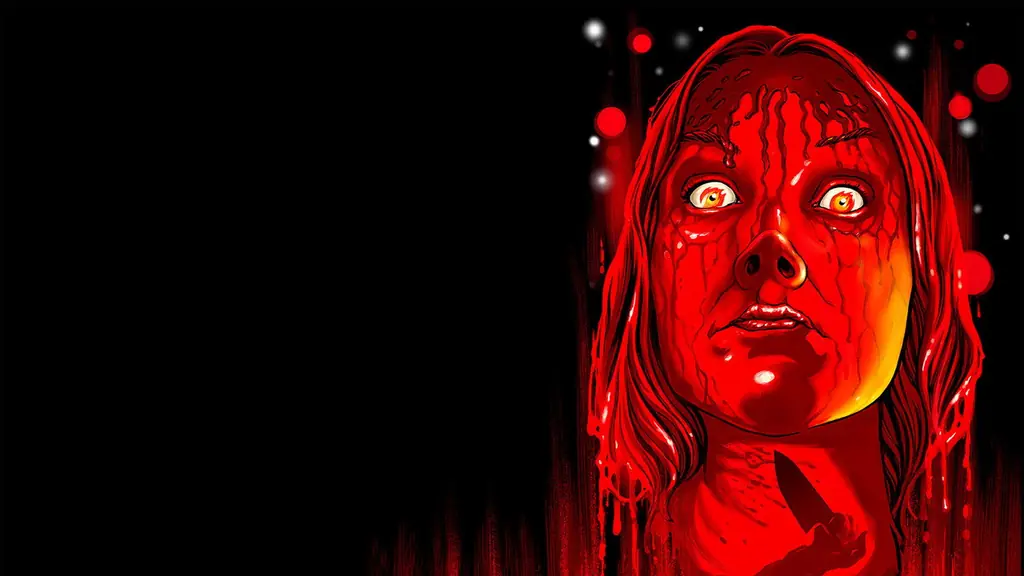
Carrie is a good time, plain and simple. It delivers on its promise of telekinetic vengeance with a raw, visceral energy that remains compelling decades later. It's the kind of film you can stumble upon while channel surfing and immediately get drawn into, a testament to its enduring power. For anyone who's ever felt like an outcast or wished for a little supernatural payback, Carrie's story offers a darkly satisfying, albeit bloody, catharsis. It's a classic for a reason, and its impact on pop culture is undeniable.
What Worked
- A satisfying and direct tale of telekinetic vengeance
- Compelling portrayal of Carrie's character by Sissy Spacek
- Terrifying and memorable performance by Piper Laurie as Carrie's mother
- Engaging and efficient pacing that gets straight to the point
- Explores themes of bullying and isolation with raw intensity
What Didn't Work
- Some viewers might desire more in-depth development of Carrie's telekinetic powers
- The extreme malice of some bullies can feel over-the-top
- The film's short runtime leaves little room for character exploration beyond the core premise