
Introduction
The year 2000 brought with it a unique cinematic experience, one that promised a harrowing tale of survival against the odds. While the marketing machine, particularly a notoriously spoiler-heavy trailer, might have given away too much of the journey, Cast Away emerged as a powerful and deeply personal film. Directed by Robert Zemeckis and starring the incomparable Tom Hanks, this adventure-drama quickly cemented its place as a thought-provoking exploration of human resilience and the unexpected paths life can take. For those seeking an escape from the everyday grind, this film offers a profound, almost meditative, journey into isolation and self-discovery, proving that even a spoiled plot can't diminish a truly great movie.
The Lead Dynamic & The Action
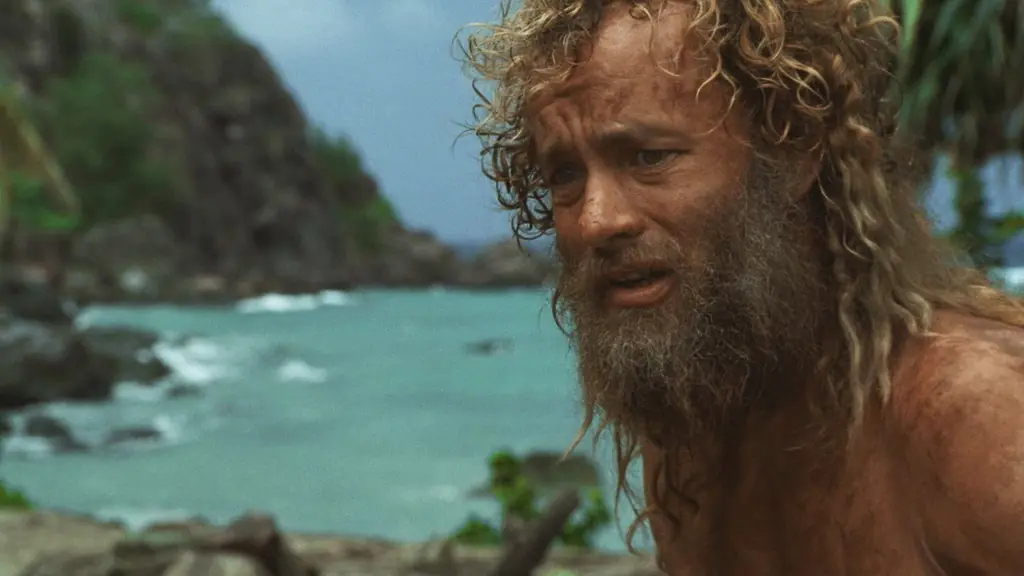
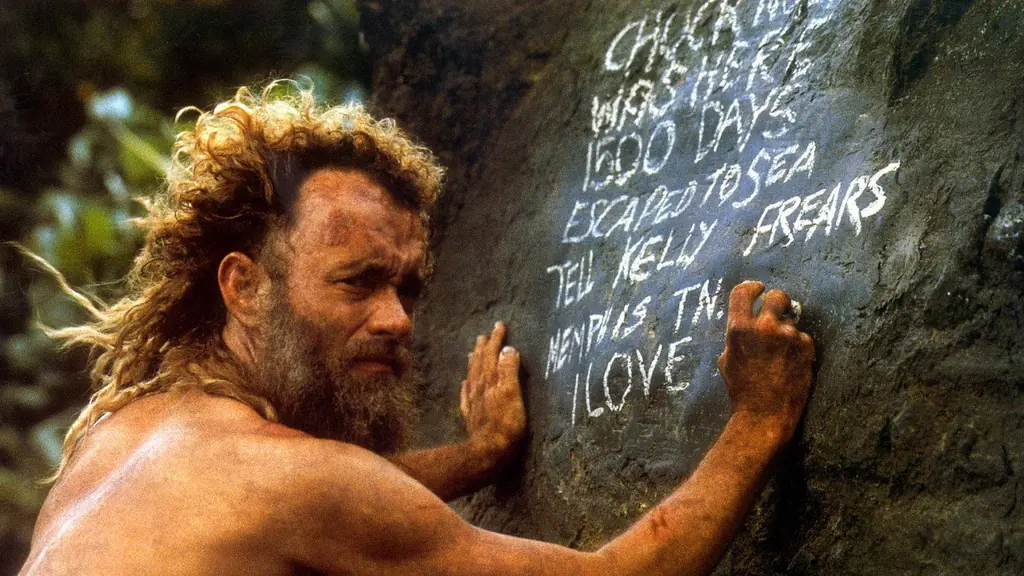
From the moment Tom Hanks's character, Chuck Noland, a high-strung FedEx executive living by the clock, finds himself stranded on a remote island, the film becomes a masterclass in solo performance. This is undeniably the Tom Hanks show, a testament to his ability to carry an entire narrative on his shoulders. The film wisely keeps its focus squarely on Chuck, never cutting away to the mainland to show the world he left behind or how Helen Hunt's character, Kelly Frears, is coping. This singular perspective immerses the audience completely in Chuck's struggle, allowing for an intimate connection with his plight.
His most significant "co-star" is, of course, Wilson, the volleyball. This seemingly inanimate object becomes a vital supporting character, highlighting a profound philosophical point: in extreme isolation, humans will desperately seek and create normal interaction. What might appear as madness is, in fact, a brain fighting to maintain sanity, a brilliant and deeply moving aspect of the film that underscores our fundamental need for connection, even if it's with a painted volleyball.
Cameos, Nostalgia & Narrative Stakes
Cast Away isn't just a survival story; it's a profound narrative about commencement and transformation. The film masterfully depicts Chuck's evolution, from a man nurtured by the outside world, struggling to survive, to a seasoned veteran of the island, lean and resourceful, crafting efficient tools from washed-up debris. This four-year jump in the narrative isn't just a passage of time; it signifies a complete metamorphosis. The reviewer notes that Tom Hanks himself suggested that being stranded on that island, in a strange twist of fate, might have been the best thing to happen to Chuck's character. It stripped away the "noise and stress" of his previous life, forcing him to confront what truly matters.
He emerges with a newfound perspective, a fresh start that many might secretly envy. The narrative stakes are deeply personal, focusing on internal change rather than external conflict, making Chuck's journey universally relatable. This concept of a "fresh start" resonates deeply, tapping into a universal human desire to shed the old and embrace the new, much like the Battlestar Galactica quote about never underestimating people's want for a fresh start. It's a powerful exploration of how extreme circumstances can lead to profound personal growth, leaving behind the "legally dead" former self for a life with a richer, more authentic outlook.
Tone, Direction & Creative Freedom
One of the most striking and effective directorial choices by Robert Zemeckis is the deliberate absence of a musical score during Chuck's time on the island. This bold decision grounds the film in an unparalleled sense of realism, making it feel "more grounded, more real, less theatrical" than other island survival films. Without music to manipulate emotions – which the reviewer aptly calls "the great manipulator of cinema" – the audience is left to process the scenario as they would in real life, feeling truly present on the island alongside Chuck.
The emotional weight comes solely from Tom Hanks's raw performance, making moments of despair, hope, and connection (especially with Wilson) incredibly impactful. This creative freedom allowed the filmmakers to craft an experience where the audience's emotional state is derived directly from Chuck's expressions and struggles, rather than being massaged by an orchestral accompaniment. The music, when it finally arrives much later in the film, is all the more powerful for its scarcity, underscoring the film's profound emotional beats and the character's eventual return to a world with such sensory input. This unique approach allows the film to resonate on a deeply personal level, inviting viewers to contemplate their own responses to such an isolating ordeal.
The Final Verdict
Cast Away is far more than just a story about a man stranded on an island; it's an intimate, personal journey about human resilience, adaptation, and the profound changes that can arise from unexpected adversity. It delves into the core of what it means to be human, to find connection in solitude, and to embrace a fresh start. The film's ending, once a point of contention for some, now stands as a perfectly ambiguous and poignant conclusion, reflecting life's inherent uncertainties and the capacity for growth.
For anyone seeking a deeply moving and thought-provoking cinematic experience, one that resonates long after the credits roll, Cast Away remains an "awesome-tacular" and essential watch. It's a film that speaks to the individual, to the universal human condition, and to the quiet strength found in the face of overwhelming odds.
What Worked
- [[person:31|Tom Hanks]]'s tour-de-force, captivating solo performance.
- Profound philosophical exploration of human connection and isolation.
- Unique and impactful use of sound design over a traditional musical score.
- Compelling portrayal of personal transformation and the idea of a "fresh start."
- Realistic and immersive survival narrative that grounds the audience in the experience.
What Didn't Work
- The infamous trailer notoriously spoiled much of the film's narrative journey.
- The intense, singular focus on one character might not appeal to all audiences seeking broader interaction.



