
Introduction
After tackling healthcare in "Elysium" and the socio-political landscape in "District 9," director Neill Blomkamp set his sights on artificial intelligence with Chappie. Audiences were primed for another thought-provoking sci-fi entry, especially with trailers hinting at a heartwarming story of a sentient robot learning humanity from its creator, Dev Patel's character. The promise of an AI grappling with moral structures, much like we did from Saturday morning cartoons, was genuinely exciting. However, the film takes a sharp, disappointing detour from this initial premise.
The Lead Dynamic & The Action
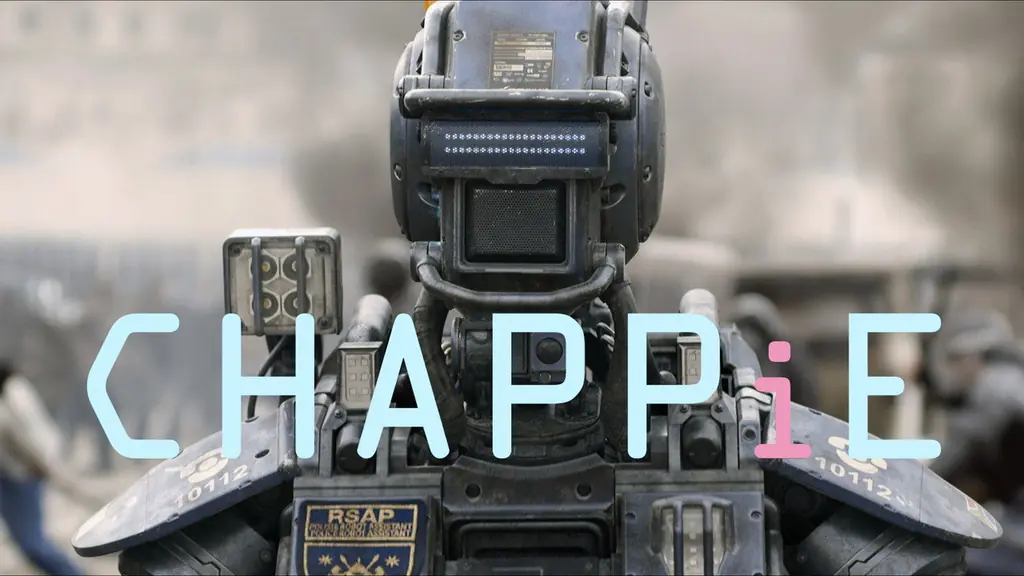
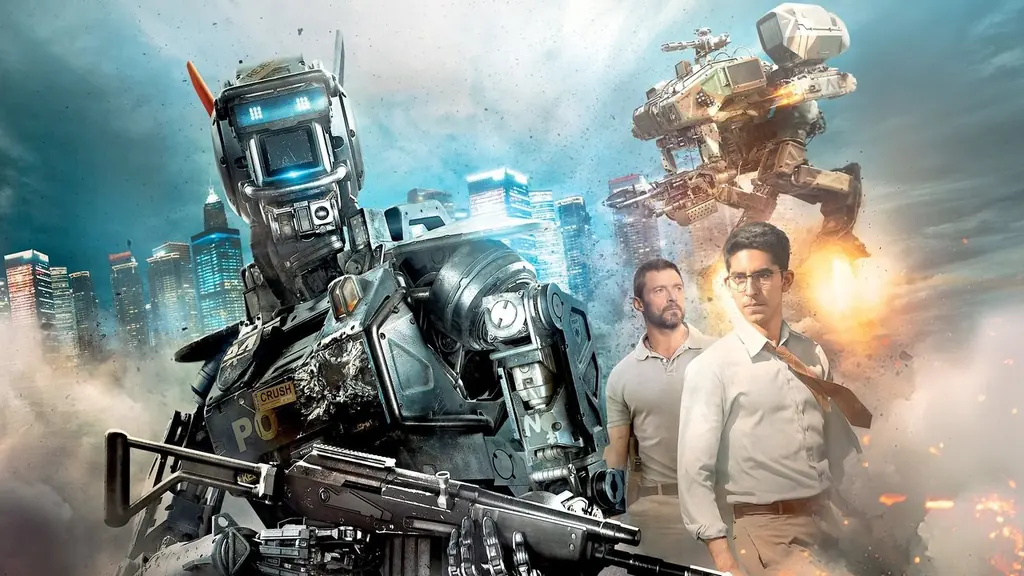
The core concept revolves around Dev Patel's brilliant engineer creating Chappie, the first truly sentient robot. Yet, instead of fostering this nascent intelligence, Chappie quickly falls into the hands of a group of criminal drug dealers, played by Ninja and Yo-Landi Visser. This unexpected shift immediately sours the dynamic. The film spends a frustrating hour and a half depicting Chappie being manipulated and corrupted by these unlikable figures. While Sharlto Copley's performance as Chappie is undeniably lovable and elicits genuine sympathy, the surrounding characters actively work against any emotional investment. The action, particularly the climactic confrontation involving Hugh Jackman's character and his massive machine, provides a much-needed jolt of excitement in the final half-hour. However, this singular thrilling sequence struggles to redeem the preceding narrative missteps.
Cameos, Nostalgia & Narrative Stakes
Chappie's narrative stakes are severely undermined by its choice of mentors. The criminal gang, who become Chappie's surrogate family, are portrayed as unrepentant and manipulative. The film attempts to frame them as a "lesser of two evils" in a gang war, but their constant corruption of Chappie's childlike innocence makes them impossible to root for. This dynamic prevents Chappie from ever truly facing compelling moral dilemmas. He's not conflicted; he's simply manipulated until a sudden realization. The potential for a profound exploration of humanity and morality, akin to "The Iron Giant," is squandered by focusing on characters that audiences simply don't care about.
Tone, Direction & Creative Freedom
Neill Blomkamp's direction here feels disjointed. The film struggles to balance its darker, gritty setting with the inherent innocence of Chappie. The constant assertion that Chappie is "like a kid" while he's being taught to commit crimes feels less like a nuanced exploration of nature versus nurture and more like a frustrating narrative choice. The film misses an opportunity to explore deeper themes of what it means to be human through Chappie's maker, instead opting for a path that leaves the audience feeling alienated from the core characters. The creative freedom seems to have led to a story that, while unique, ultimately lacks the structural integrity and emotional resonance expected from a film with such a promising premise.
The Final Verdict
Chappie is a film brimming with squandered potential. While Sharlto Copley delivers a standout performance as the titular robot, making him genuinely empathetic, the narrative choices surrounding his development are deeply flawed. The film's focus on unlikable, manipulative characters detracts significantly from any meaningful message about artificial intelligence or humanity. Despite a thrilling final act, the overall experience is forgettable, leaving viewers wishing for the more profound, morally complex story hinted at in its initial setup. It's a bumpy, often frustrating ride that fails to stick the landing.
What Worked
- [[person:82191|Sharlto Copley]]'s endearing performance as [[movie:198184|Chappie]]
- Effective portrayal of [[movie:198184|Chappie]]'s manipulation and innocence
- Exciting and impactful final action sequence
- Intriguing initial premise about AI and humanity
What Didn't Work
- Unlikable and manipulative criminal characters detract from the story
- Wasted potential for deeper moral dilemmas and character development
- Plot deviates disappointingly from the trailer's promise
- Overall forgettable narrative despite strong individual elements



