
Introduction
The allure of a historical biopic is undeniable, especially when it unearths a figure history has unjustly overlooked. Chevalier steps into this space, promising a keyhole view into the astonishing life of Joseph Bologne, a name many of us should have encountered in history class but likely didn't. This film sets out to rectify that, inviting audiences to discover a true musical maestro, an expert swordsman, and a marksman whose talents seemed to know no bounds. From the outset, the anticipation is palpable: how will this film capture the essence of a man so exceptionally gifted?
The Lead Dynamic & The Action
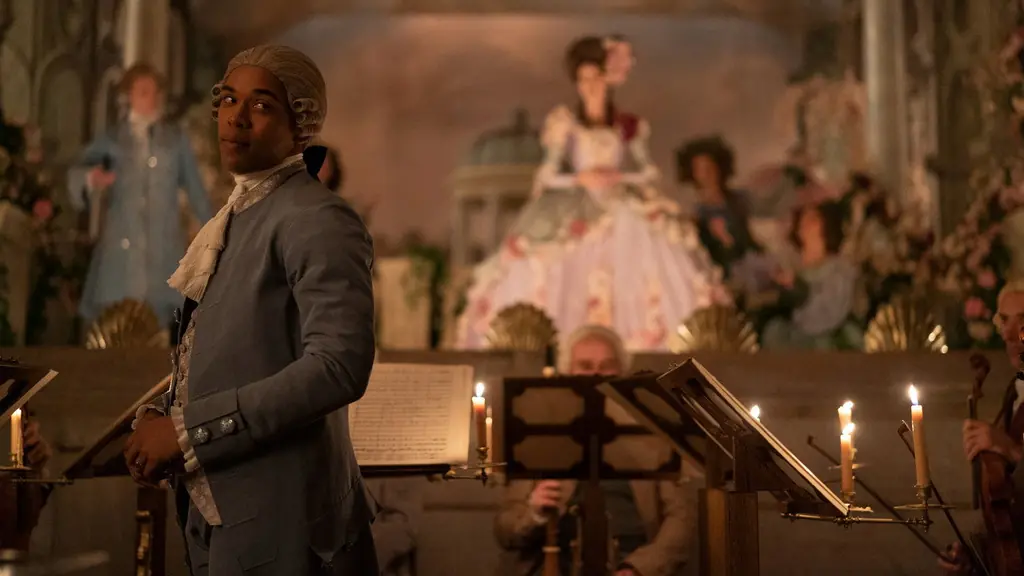
At the heart of Chevalier is Kelvin Harrison Jr. as Joseph Bologne, and his performance is nothing short of fantastic. He effortlessly carries the film, anchoring the narrative with a captivating presence that makes Bologne's multifaceted genius believable. While Samara Weaving provides strong support, it's Harrison Jr.'s portrayal that truly shines. The film's runtime, a surprisingly tight hour and 45 minutes, works both for and against it. On one hand, it keeps the audience engaged, a welcome change from the often sprawling historical epics. On the other, it hints at a story that could have, and perhaps should have, been far more expansive.
One of the film's most entertaining sequences is the opening violin duel between Bologne and Mozart. It's an absolutely awesome and entertaining spectacle, clearly designed for cinematic flair. While historically inaccurate – these two not only crossed paths but lived under the same roof, with some historians even suggesting Mozart "borrowed" from Bologne – it serves its purpose in establishing Bologne's unparalleled skill and challenging the "Black Mozart" moniker by having him decisively "whip Mozart's ass." The film also touches on Bologne's prowess as a swordsman, a welcome acknowledgment of his diverse talents beyond the violin, though it only scratches the surface of his many accomplishments, which included riding, dancing, swimming, and fencing.
Cameos, Nostalgia & Narrative Stakes
Chevalier often struggles with the classic cinematic pitfall of "telling, not showing." There are moments where the narrative informs the audience of significant events or emotional shifts without actually depicting them on screen. A falling out between Bologne and a friend, for instance, is referenced with dialogue about defending reputations, yet the actual conflict is conspicuously absent. This approach leaves emotional beats feeling unearned and less impactful, making it difficult for the audience to fully connect with the characters' journeys.
For those well-versed in Joseph Bologne's life, the film might feel like a "bare bones" rendition, a condensed version that omits crucial details. Indeed, the real-life story of Bologne, including his significant military career fighting in the French Revolution, is far more intricate and compelling than what is presented. The film relegates his wartime contributions to a mere text blurb at the end, a missed opportunity to explore a pivotal aspect of his existence. This selective storytelling, while making for a more digestible runtime, ultimately sacrifices depth and the full scope of Bologne's extraordinary achievements.
Tone, Direction & Creative Freedom
Stephen Williams's direction maintains an engaging pace, ensuring that the audience remains captivated for most of the film. The tone is generally respectful of its subject, yet it's clear that creative liberties were taken for entertainment value. The film feels like viewing a "beautiful landscape through a keyhole" – a tantalizing glimpse that leaves one yearning for a broader vista. While perfectly enjoyable as a casual viewing experience, it doesn't quite capture the full grandeur and complexity of Bologne's life.
The film's brevity, while a strength in terms of pacing, ultimately limits its ability to delve into the nuances of Bologne's world. One can't help but feel that his life story, with its rich historical context and dramatic turns, would be far better served by a more expansive format, perhaps an HBO miniseries, which could truly explore the depths of his genius, struggles, and triumphs. As it stands, Chevalier offers a compelling introduction, but it's merely an appetizer for a feast that never quite arrives.
The Final Verdict
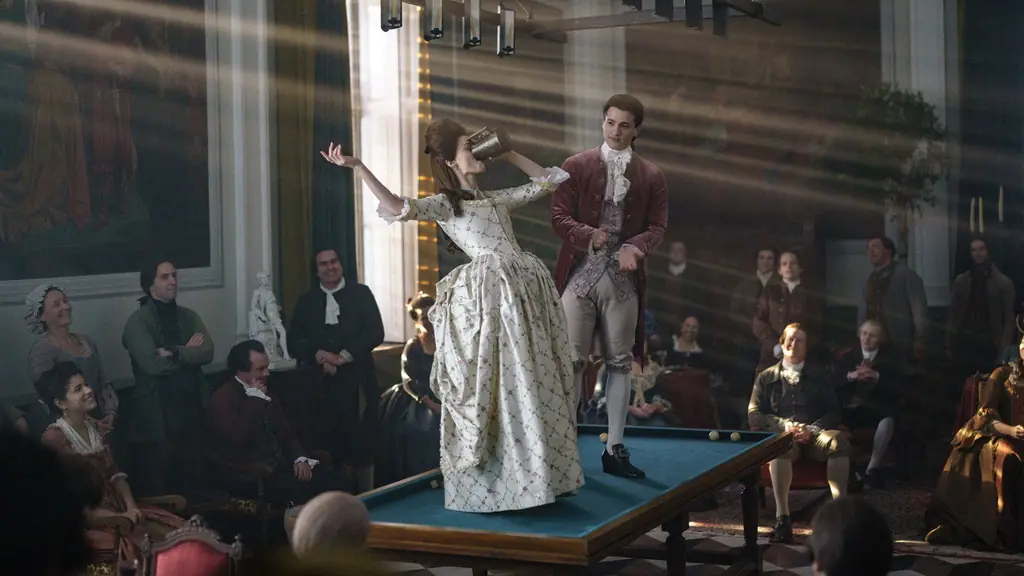
Chevalier is a perfectly enjoyable biopic that successfully introduces audiences to the remarkable Joseph Bologne. It's a good time, no alcohol required, especially if caught at matinee prices. Kelvin Harrison Jr. delivers a standout performance, making Bologne's brilliance palpable. However, the film's tight runtime and tendency to gloss over significant life events mean it often feels like a condensed version of a much grander narrative. While it sparks interest in learning more about Bologne, it ultimately leaves the impression that his real story is even more fascinating than the one presented on screen. It's a worthwhile watch for those seeking an engaging historical drama, but be prepared to do some further reading to truly appreciate the full scope of this extraordinary individual.
What Worked
- Kelvin Harrison Jr.'s captivating and commanding performance.
- Engaging and surprisingly tight 105-minute runtime.
- Successfully introduces audiences to an overlooked historical figure.
- Entertaining and visually striking violin duel with Mozart.
- Highlights Joseph Bologne's diverse talents beyond music, including swordsmanship.
What Didn't Work
- Feels like a "bare bones" version of a much richer, more complex life.
- Relies on "telling, not showing" for key emotional developments, diminishing impact.
- Omits significant historical details, such as Bologne's military career.
- The real-life story is arguably more compelling and detailed than the film's narrative.



