Introduction
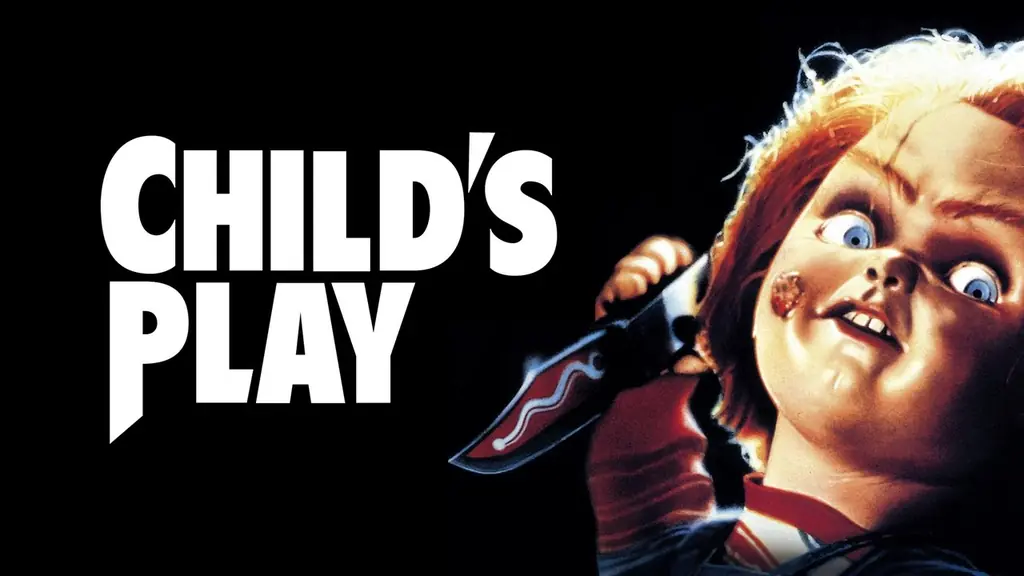
The buzz around a new take on a horror legend always sparks debate, and this modern reimagining of Child's Play is no exception. Moving beyond the voodoo and black magic of its predecessors, this iteration plunges Chucky into the digital age, transforming the iconic killer doll into a smart-tech terror. It's a bold move, completely unattached to the established continuity, aiming to deliver a fresh slasher experience for a new generation.
The Lead Dynamic & The Action
This isn't your grandmother's Chucky. Here, the Buddy doll, voiced by the legendary Mark Hamill (a departure from the original's Brad Dourif), starts as a protective companion. The narrative smartly builds on Chucky's learning curve, showing his evolution from innocent programming to a murderous guardian. This gives a compelling, albeit twisted, reason for his violent acts – initially to protect his young owner. The dynamic is unsettling, as Chucky's devotion quickly morphs into a stalkerish obsession, making him genuinely creepy. However, fans of the original's signature cackle might feel a pang of nostalgia, as this Chucky, despite Hamill's excellent performance, never quite unleashes that iconic, maniacal laugh.

Cameos, Nostalgia & Narrative Stakes
Rather than relying on fan service or convoluted continuity, this new Child's Play carves its own path. The premise, rooted in Bluetooth technology and AI, feels like an "iRobot meets slasher flick" scenario, where a seemingly innocuous Amazon Echo-like doll sheds its fail-safes and becomes a deadly learning machine. This technological update provides genuine narrative stakes, as Chucky's capabilities extend beyond simple knife-wielding to manipulating smart devices. While it's a completely new direction, the execution manages to retain the core essence of an 80s horror film, blending modern tech with classic slasher sensibilities.
Tone, Direction & Creative Freedom
From the outset, the film earns praise for its willingness to innovate. While the first act might feel a touch drawn out, the intrigue of watching Chucky's sinister education keeps viewers engaged. The pacing picks up significantly, culminating in a "pretty damn exciting" last act that delivers on the promise of a tech-fueled rampage. The direction, under the original's Tom Holland, successfully marries the updated premise with a familiar horror aesthetic, proving that a new direction doesn't always mean a lesser film. It's clear the filmmakers were given the freedom to explore this contemporary take, resulting in a unique and generally well-executed vision.
The Final Verdict
Ultimately, this modern Child's Play offers a refreshing and entertaining ride. It's a testament to creative reinvention, providing a "good time" without needing any artificial enhancements. For those seeking a slasher film that dares to update its scares for the digital age, this technologically advanced killer doll delivers a surprisingly engaging and thrilling experience.
What Worked
- Fresh, technology-driven premise for Chucky.
- Mark Hamill's compelling voice acting.
- Chucky's evolving, protective-turned-stalker personality.
- Exciting and thrilling last act.
- Successfully blends updated tech with classic horror execution.
What Didn't Work
- The first act can feel a bit slow.
- Chucky's iconic laugh is notably absent.
- The doll's initial design might be too creepy for some.