
Introduction
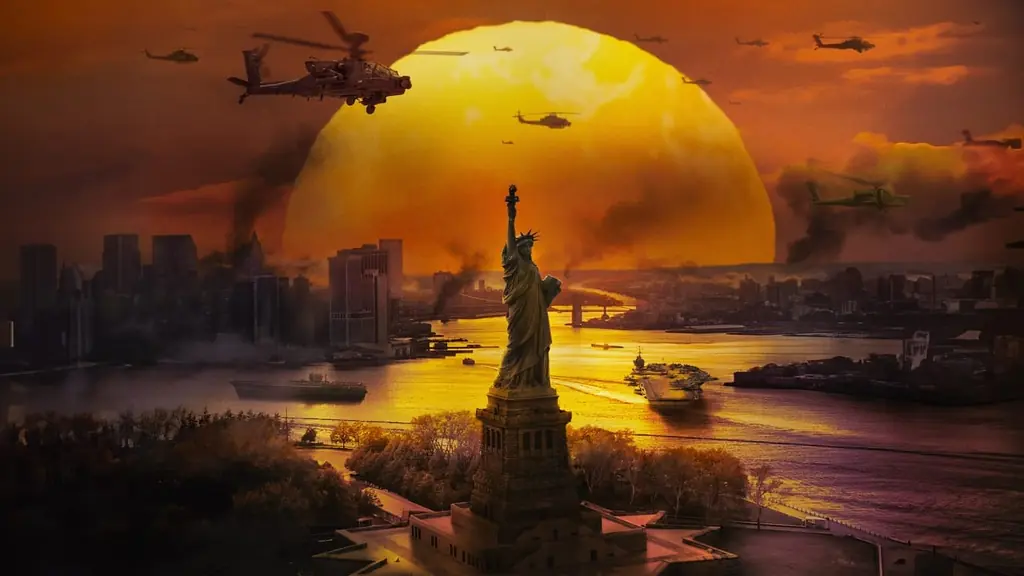
Civil War, directed by Alex Garland, drops audiences into a modern-day American conflict, a fractured dystopian country at war with itself. The film immediately raises questions about the responsibility of depicting such a scenario in current times, prompting viewers to consider if it's merely profiting from a divided nation's anxieties. It's a premise designed to provoke, setting the stage for a journey through a landscape both familiar and terrifyingly alien.
The Lead Dynamic & The Action
The core of the film follows a team of photojournalists, led by the fantastic Kirsten Dunst and Wagner Moura, who share a great colleague chemistry. They are joined by Cailee Spaeny, playing a green but driven aspiring photojournalist. Spaeny serves as the audience's eyes, experiencing the shocking realities of war for the first time alongside seasoned veterans. This dynamic crew is where the movie truly shines, offering a surprising look into the world of photojournalism and the immense toll it takes.
Visually, the film is impressive, from smaller character moments to the intense final act war skirmishes. It embraces the "dystopian road trip" subgenre effectively, even if it occasionally leans into cliché. The journey is a series of disturbing, unsettling, and scary scenarios, designed to show as much of the fractured country as possible, making for a constantly tense and unpredictable ride.
Cameos, Narrative Stakes & The Ugly Truth
While the film features many actors in brief appearances, Jesse Plemons delivers a scene-stealing cameo that perfectly embodies the film's core message. His brief but impactful role highlights the pervasive nature of human depravity in a conflict zone, leaving a lasting impression.
Crucially, Civil War avoids taking explicit political sides. It's not a right-versus-left, Republican-versus-Democrat narrative, but rather a human nature story. The conflict is already underway, and the film presents a world where "people are dicks" from all walks of life. The surprising alliance of Texas and California, which initially baffled many, underscores this neutrality, suggesting the conflict transcends conventional political divides.
The film also commendably avoids an "apocalypse fetish." Instead of romanticizing a dystopian world, it starkly portrays that "war sucks" and civilians are caught in the middle, suffering universally. It serves as a cautionary tale, a "Walking Dead with no zombies" that feels uncomfortably real given current political tensions.
Tone, Direction & Creative Freedom
Alex Garland's direction crafts an effective war thriller with solid tension and creepy scenarios. The film's production value is high, looking "really good" throughout. However, some strange editing choices occasionally make scenes feel incomplete, as if something is missing or abruptly cut short. There are also moments where music choices feel awkward and out of place, detracting from the immersion.
The Final Verdict
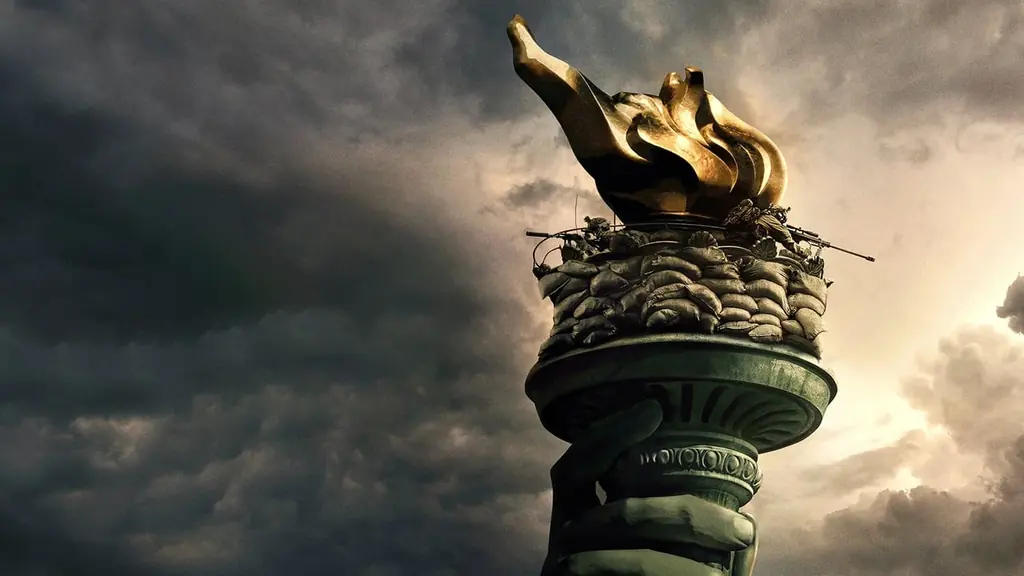
Despite its flaws, Civil War is a well-acted, well-produced, and well-shot experience. It's an effective war thriller that largely delivers a good time, offering a compelling, albeit unsettling, journey through a nation tearing itself apart. However, the ending is a significant point of contention. It feels abrupt and unfulfilling, as if the budget ran out, compromising what could have been a powerful conclusion. While one might rationalize it as "it's not about the destination, it's about the journey," the sudden wrap-up leaves a lingering sense of dissatisfaction.
What Worked
- Excellent chemistry between lead photojournalists
- Visually impressive and well-produced
- Effective "dystopian road trip" structure
- Powerful, scene-stealing cameo by Jesse Plemons
- Unflinching portrayal of war's brutality without romanticizing it
- Politically neutral, focusing on human nature
What Didn't Work
- Abrupt and unfulfilling ending
- Strange and sometimes awkward editing choices
- Occasional odd music selections
- Some scenarios feel incomplete or cut short



