Introduction
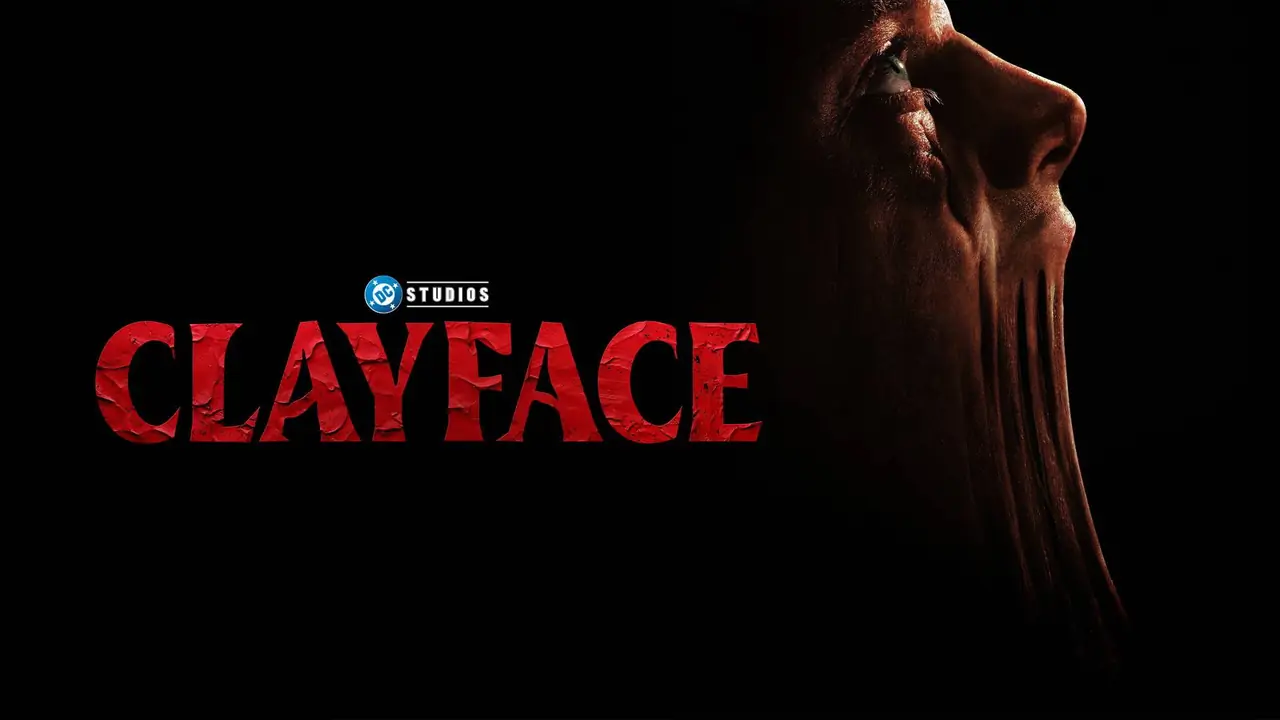
Anticipation for Clayface was palpable, fueled by a "pretty sweet trailer" that promised a standalone villain origin story unlike any other. Yet, the lack of advanced screenings often signals a red flag. Thankfully, this deep dive into the origins of one of Batman's more obscure, yet fascinating, foes largely delivers on its promise, even without the Caped Crusader in sight.
The Lead Dynamic & The Action
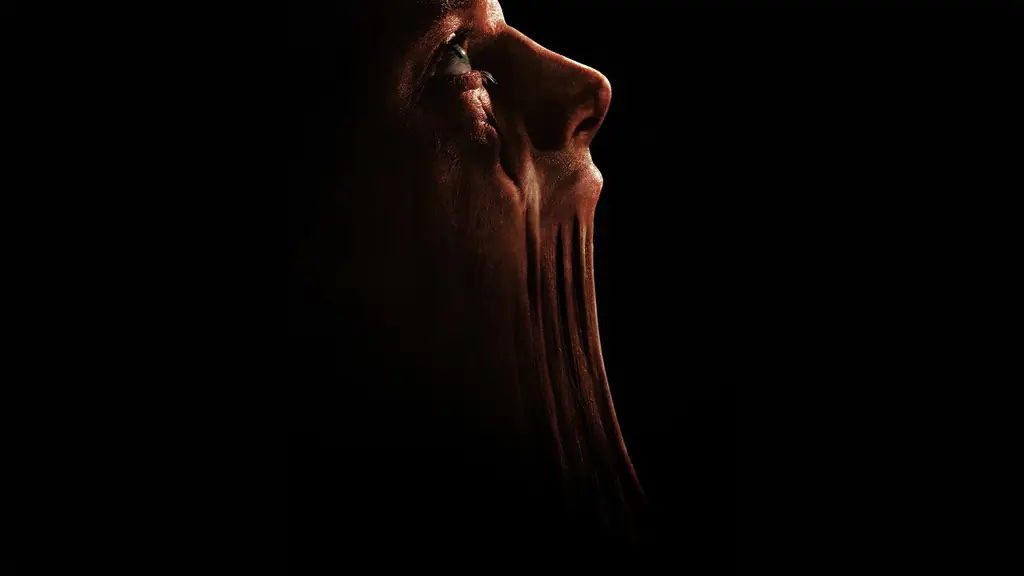
At its core, Clayface is a revenge tale, and Tom Rhys Harries as Matt Hagen carries the film with a compelling performance. Hagen, a rising Hollywood star, loses everything after a brutal attack, leading him to an experimental nanobot sludge that promises to restore his face but instead transforms him into the titular monster. Harries masterfully navigates Hagen's physical and moral decay, making his journey into a vengeful, shapeshifting entity surprisingly engaging. The film embraces a "Gothic body horror" aesthetic, effectively showcasing Clayface's abilities. Rather than relying on excessive CGI, director James Watkins cleverly uses shadows and quick cuts for transformations, like a hand morphing into a spiked mace or Hagen shifting into another person. This low-budget horror approach enhances the film's tone, making the grotesque transformations feel more visceral and impactful.

Cameos, Nostalgia & Narrative Stakes
The narrative largely focuses on Hagen's quest for vengeance, which, while generally satisfying, occasionally feels anticlimactic. The film attempts to explore themes of identity, paralleling Clayface's physical transformations with Hagen's struggle to define himself. However, some narrative choices detract from the core story. An unnecessary "will they/won't they" subplot between Hagen and the doctor who created the formula, played by Naomi Ackie, feels shoehorned in, especially given her character's existing relationship with a "one good cop" in the GCPD. Dialogue can also be a mixed bag; while mostly acceptable, some one-liners feel forced, often quoting other movies. Yet, one could argue this fits Hagen's character as a movie fan. The film also struggles with the implied presence of Batman, with the studio's insistence that "Batman is operating during the movie Clayface" feeling like an unnecessary distraction. Thankfully, the film ultimately ensures that by its conclusion, Clayface is unequivocally a villain, sidestepping the common pitfall of making every antagonist a misunderstood anti-hero.
Tone, Direction & Creative Freedom
James Watkins steers Clayface with a clear vision, leaning into its low-budget horror sensibilities. The film's tone is a unique blend of "The Fly" meets "Hollow Man," exploring the consequences of self-experimentation and unchecked power. It's a slow burn at times, but the commitment to its body horror elements and the psychological unraveling of Hagen keeps the audience invested. The creative freedom afforded to the filmmakers is evident in the film's willingness to be messy and unsettling, rather than conforming to typical superhero movie tropes. This allows for a more grounded, albeit gooey, exploration of a character often relegated to the background.
The Final Verdict
Clayface is a surprisingly enjoyable, if imperfect, villain origin story. It successfully delivers on its promise of Gothic body horror and a compelling revenge narrative, largely thanks to Tom Rhys Harries's performance and James Watkins's direction. While it could have benefited from a tighter edit and a more focused script, it's a fresh, visceral take on a classic character that proves there's still plenty of room for creative risks within the comic book genre.
What Worked
- Tom Rhys Harries delivers a compelling performance as Matt Hagen.
- Effective use of low-budget horror aesthetics for Clayface's transformations.
- A unique and visceral take on a villain origin story.
- Engaging body horror elements throughout the film.
- Successfully portrays Clayface as a clear villain by the end.
What Didn't Work
- The romance subplot feels unnecessary and detracts from the main story.
- Some dialogue, particularly one-liners, can be cringey.
- The revenge quest's conclusion feels somewhat anticlimactic.
- The film could have been 15-20 minutes shorter for better pacing.
- The implied presence of Batman is a narrative distraction.