Introduction
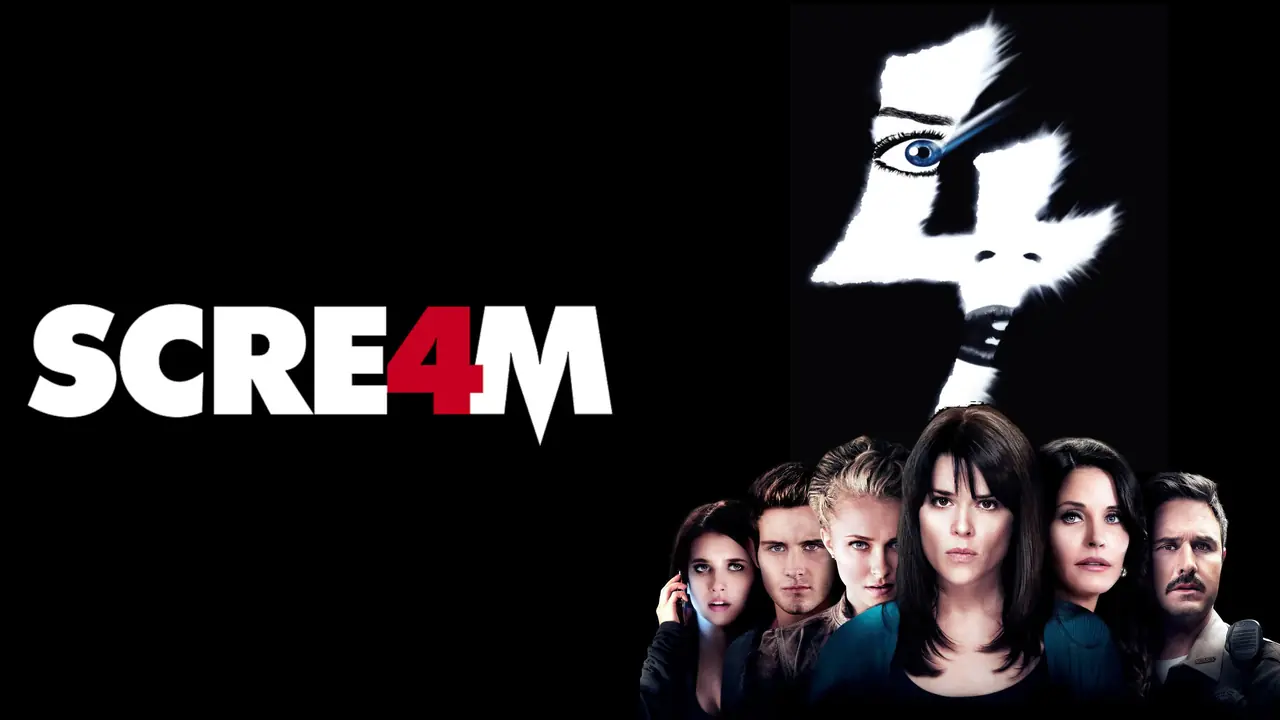
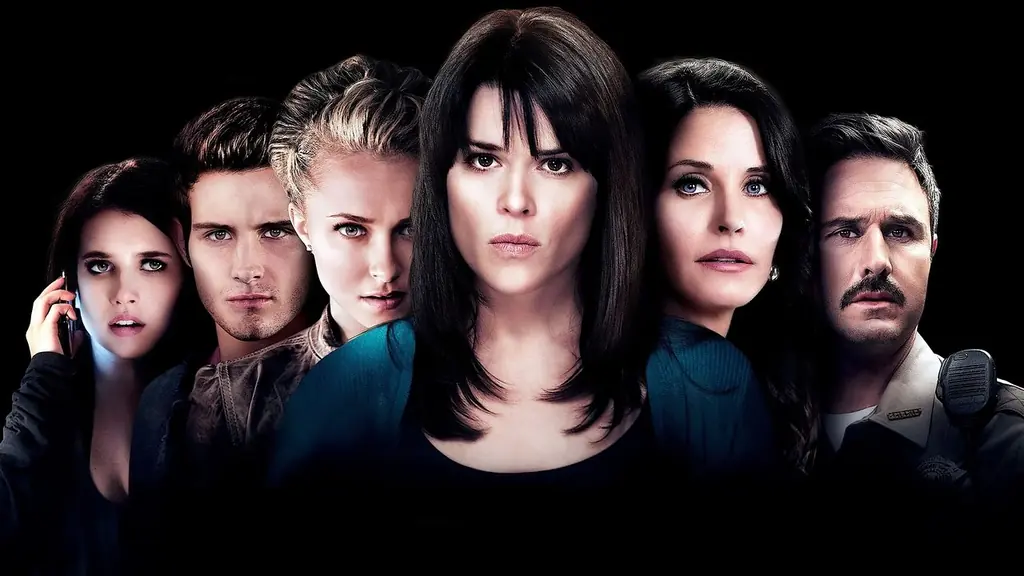
Ten years after its last outing, the Ghostface killer returns to Woodsboro in Scream 4, promising a "new decade, new rules" for a franchise that once redefined horror. With Neve Campbell's Sidney Prescott back in her old stomping grounds, alongside David Arquette's Dewey and Courteney Cox's Gale, the stage is set for a fresh take on the meta-slasher. The anticipation was palpable: could director Wes Craven recapture the lightning-in-a-bottle magic of the original, or would this be another retread?
The Lead Dynamic & The Action
The film introduces a fresh crop of potential victims, largely consisting of high schoolers, including Emma Roberts as Sidney's cousin, Jill. While the new cast brings some youthful energy, the film struggles to forge truly memorable dynamics. The opening ten minutes, however, are a standout—hilarious, sharp, and genuinely awesome, hinting at the genre-bending cleverness fans crave. Unfortunately, this initial burst of brilliance quickly fades, as the film settles into a rhythm that feels all too familiar. It never quite recaptures the genre-defining spark of the first Scream, instead leaning into the more conventional slasher tropes of its immediate predecessors.
Cameos, Nostalgia & Narrative Stakes
Scream 4 is packed with returning faces, but the balance between fan service and genuine narrative progression feels off. The promise of "new rules" largely feels like a bait-and-switch, rarely explored beyond the initial setup. The plot unfolds with a predictable rhythm, leaving audiences playing the familiar "guess the killer" game, often with little genuine surprise. Even beloved characters like Dewey seem to have forgotten their past traumas, with his iconic limp mysteriously absent—a small but noticeable detail that highlights the film's occasional disregard for its own continuity. The film even pokes fun at franchises that "milk it forever," a meta-commentary that ironically applies to itself.
Tone, Direction & Creative Freedom
Wes Craven attempts to blend the franchise's signature blend of horror and humor, but the tone often feels inconsistent. The film aims for the meta-commentary that made the original so groundbreaking, yet it mostly delivers a feeling akin to the less impactful sequels. It's a strange cinematic hypnosis: while watching, the film is entertaining enough, but the moment the credits roll, its impact vanishes. It's the kind of movie that feels good in the moment but leaves no lasting impression, quickly fading from memory.
The Final Verdict
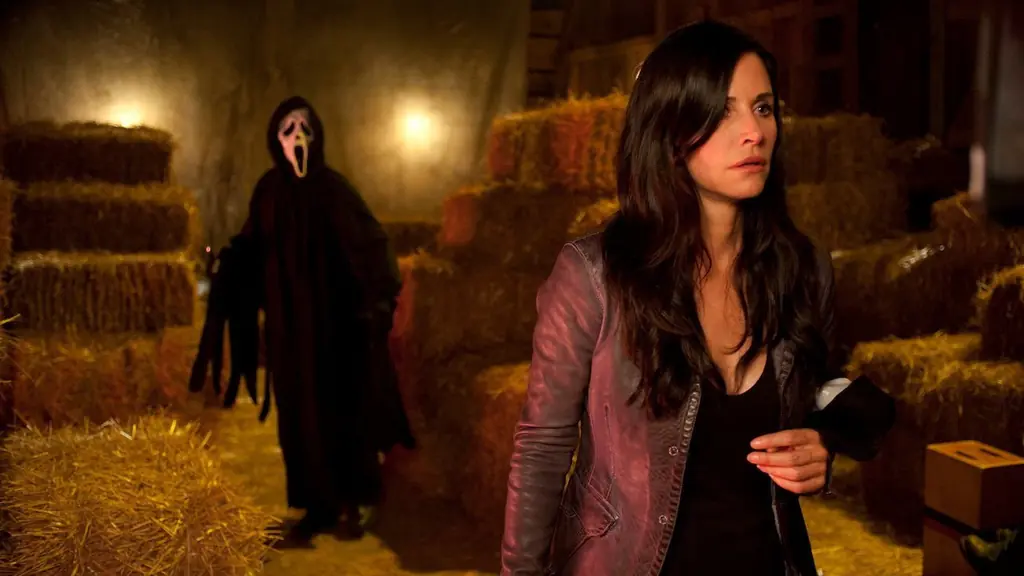
Scream 4 is an "okay" entry that struggles to justify its existence beyond a contractual obligation. While the ending offers a somewhat cool wrap-up and stands as the film's biggest redeeming quality, the journey there is largely a retread of familiar ground. If you're a die-hard fan who enjoyed the entire original trilogy, you'll likely find more of the same to love here. However, for those who cherished the original but found the sequels lacking, this fourth installment offers little new to sink your teeth into. It's best viewed as part of a Halloween marathon with friends and a few drinks, rather than a standalone cinematic event.
What Worked
- The opening 10 minutes are hilarious, sharp, and awesome.
- The ending provides a cool wrap-up and is the film's biggest redeeming quality.
- Features a new cast including Emma Roberts and Hayden Panettiere.
- Offers familiar thrills for fans of the entire Scream franchise.
- Good for a casual watch during a horror movie marathon with friends.
What Didn't Work
- The "new decade, new rules" promise feels like a bait-and-switch, rarely explored.
- Fails to recapture the genre-defining feel of the original, instead feeling like the sequels.
- The plot is largely predictable, offering little surprise in guessing the killer.
- Suffers from "cinema hypnosis"—enjoyable while watching, but instantly forgettable afterward.
- Inconsistent continuity, such as the mysterious disappearance of Dewey's limp.