
Introduction
From the opening frame, Concussion throws a chilling flag on the field, forever altering how one might view America's favorite sport. This biographical picture, set in the early 2000s, plunges headfirst into the grim reality faced by NFL players. What begins with the familiar bravado of athletes giving their all quickly devolves into a disturbing pattern: players "going out of their minds," succumbing to dementia, and tragically, even taking their own lives.
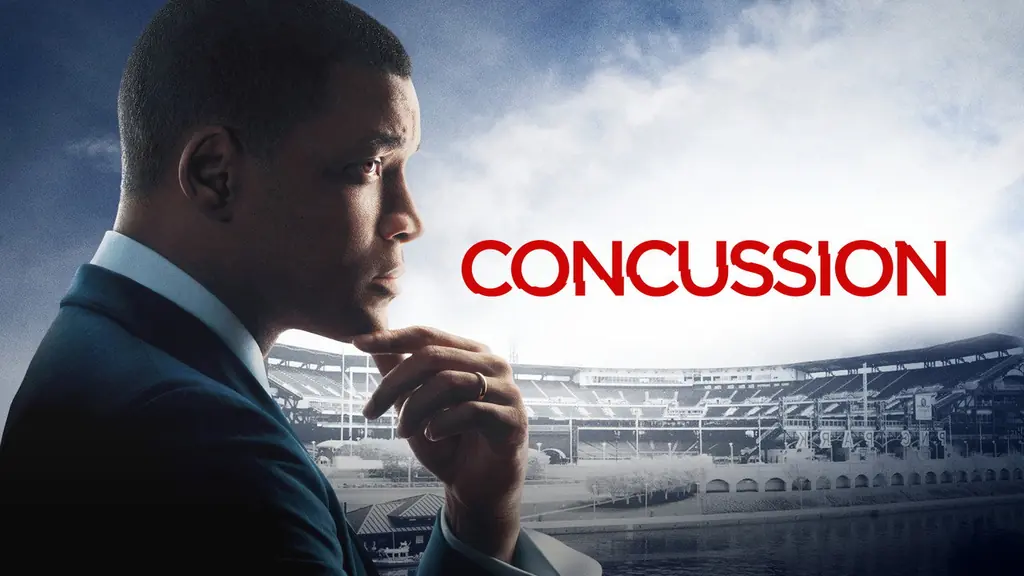
It's here we meet Will Smith as the pathologist who dares to look closer. His initial autopsies seem routine, but a deeper dive reveals a horrifying truth: repeated head trauma to the brain has severe, long-lasting effects that the powerful NFL would rather keep buried. This isn't just a medical discovery; it's a declaration of war, pitting one determined man against a corporate giant that, as the saying goes, "owns a day of the week."
The Lead Dynamic & The Action
At the heart of this heavy narrative are performances that truly elevate the material. Will Smith delivers an "excellent" turn, embodying the dedicated doctor with a conviction that makes his accent feel less like an affectation and more like an intrinsic part of the character. It's the kind of performance that makes you forget you're watching a movie star, fully immersing you in the struggle of a man fighting for truth.
Equally vital is Albert Brooks, who steals scenes as the perfect supporting character. His portrayal strikes a delicate balance, offering "the right amount of supportive and the perfect amount of smartass." In a film laden with gravity and difficult subject matter, Brooks provides much-needed moments of levity without ever compromising the seriousness of the story. He's the ideal ice-breaker, a smart and witty presence that keeps the audience engaged through the film's more intense stretches.

Cameos, Nostalgia & Narrative Stakes
Concussion excels in its portrayal of an underdog taking on an almost insurmountable foe. The concept of one individual challenging a monolithic corporation like the NFL is inherently compelling. However, the film occasionally struggles with its biographical nature. Because these events are so recent and widely publicized, watching the story unfold can sometimes feel like "watching a Wikipedia page play out."
Unlike historical dramas that unveil forgotten narratives, much of Concussion's plot points might already be familiar to many viewers. This isn't a criticism of the story's importance, but rather an observation on the challenge of dramatizing very contemporary history. While "entertaining for what it was," the narrative can sometimes feel like "going through the motions" as it recounts events many have already read about or discussed.
Tone, Direction & Creative Freedom
Peter Landesman's direction navigates the "gravity of the situation" with a commendable sense of purpose. The film doesn't shy away from the difficult truths, acknowledging that the "wound is fresh" for many, especially within the NFL itself, where some are "probably still a little sour" about these revelations. It's a "pretty ballsy" move to tackle such a sensitive and recent topic, and the film deserves credit for its courage.
The movie effectively "turns on the light" to an issue that many, including casual football fans, "take for granted." It forces a re-evaluation of the spectacle, prompting viewers to consider the immense physical toll these athletes endure for entertainment. The film powerfully argues that for many players, the "money is just not worth it" when weighed against the devastating long-term health consequences.
The Final Verdict
Ultimately, Concussion is a film that had to be made, and it delivers an "entertaining for what it was" experience. Will Smith's performance is a standout, and the presence of Albert Brooks is a welcome addition. The content is undeniably "heavy" and "very real," addressing a critical issue with conviction. While it might feel like a "very well-acted Wikipedia page" that you'll likely "watch once," it's a viewing that is "probably should watch once especially if you're a football fan." It's a "good time no alcohol required," leaving a lasting impression on how one perceives the game and its human cost.
What Worked
- [[person:2888|Will Smith]]'s immersive and excellent lead performance.
- [[person:13|Albert Brooks]] provides perfect comedic relief and support.
- Brave and timely exploration of a critical, real-world issue.
- Effectively highlights the severe physical toll on NFL players.
- Compelling portrayal of an underdog challenging a powerful corporation.
What Didn't Work
- The recent nature of events makes it feel like a "Wikipedia page" at times.
- Lacks significant rewatchability for many viewers.
- Pacing can occasionally feel like "going through the motions."



