
Introduction
The buzz around Creating The Queen's Gambit has been undeniable, and for good reason. This limited series, currently streaming, takes audiences on an unexpected journey into the high-stakes world of competitive chess. Forget any preconceived notions of dusty board games; this is a vibrant, character-driven narrative that hooks you from the very first move.
The Lead Dynamic & The Action
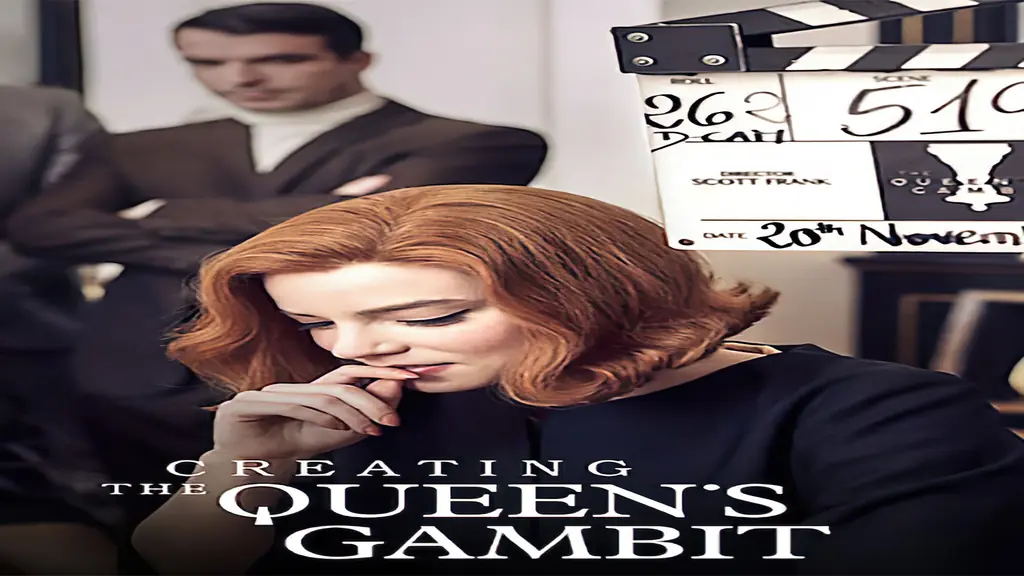
At its core, the series is a masterclass in performance, with Anya Taylor-Joy absolutely owning the screen as Beth Harmon. Her portrayal is so compelling that she single-handedly carries the entire production. Beth's genius isn't just told; it's shown through her vivid mental chess games projected onto the ceiling, a brilliant visual shorthand for her prodigal talent. But it's not just about raw skill; the series masterfully explores Beth's growth, both emotionally and strategically. Her journey through wins and losses feels incredibly real, making her an accessible human being despite her extraordinary abilities. The sting of defeat and the triumph of victory are palpable, reminding us that even prodigies face setbacks and learn from them.
Cameos, Nostalgia & Narrative Stakes
While Beth's arc is central, the supporting cast also shines, evolving alongside her over the years. Characters like Thomas Brodie-Sangster's Benny Watts, who understands that the "game" begins long before the first pawn moves, add rich layers to the narrative. One of the series' most surprising revelations is that this compelling tale is entirely fictional. Yet, the execution is so flawless, the world-building so immersive, that you'd swear it was a true story. This speaks volumes about the production's quality. The 1960s setting is brought to life with impeccable production design and a fantastic soundtrack that instantly transports viewers to the era, much like a classic film uses music to define its decade.
Tone, Direction & Creative Freedom
Creating The Queen's Gambit doesn't just offer a glimpse into competitive chess; it provides a full "backstage pass." It pulls you into a world you might never have considered, allowing you to experience it vicariously through Beth. This immersive quality, reminiscent of how films like "The Social Network" drew audiences into specific subcultures, is a major strength. Beth's journey, with its highs, lows, struggles with addiction, and undeniable talent, often feels like a rock star's story – a wild ride of genius and self-destruction, just without the musical instruments. It's a testament to the well-written story and characters, brought to life by great actors.
The Final Verdict
This series is an engaging, well-crafted experience that transcends its subject matter. It's a coming-of-age story wrapped in a competitive drama, offering both intellectual stimulation and emotional depth. Despite minor quibbles about the pacing of time jumps and a desire for more detailed endgame chess matches, Creating The Queen's Gambit is an absolute must-watch. Prepare to be captivated and perhaps even inspired to learn a few chess moves yourself.
What Worked
- Anya Taylor-Joy's captivating lead performance.
- Immersive and engaging portrayal of competitive chess.
- Strong character development for Beth and supporting cast.
- Stellar 1960s production design and soundtrack.
- Compelling coming-of-age narrative.
What Didn't Work
- Occasional abrupt time jumps can feel jarring.
- Could have shown more detail in crucial endgame chess matches.



