Introduction
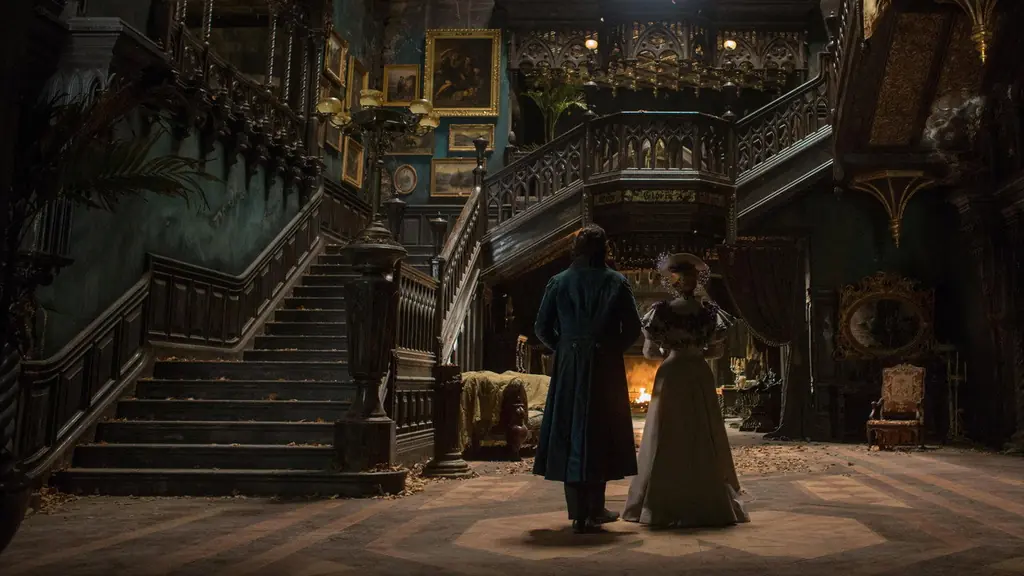
Crimson Peak arrived with the promise of a terrifying haunted house flick, especially with its Halloween release. Yet, audiences quickly discovered that the marketing was a cruel trick. This isn't a scary movie at all; it's a gothic romance, a "Shakespearean ripoff love story" draped in horror aesthetics. From the opening frames, however, the film's visual grandeur is undeniable. The set design is breathtaking, the cinematography is gorgeous, and every detail, from the towering Victorian ceilings to the rich color palette, screams immense care and budget, all guided by the visionary eye of Guillermo del Toro.
The Lead Dynamic & The Action
While the characters themselves often fall flat, the performances, particularly from Tom Hiddleston and Jessica Chastain, are a highlight. They are, by far, the most compelling figures in the entire narrative, injecting much-needed intrigue into an otherwise basic plot. Their dynamic carries the weight of the film, making their scenes the most engaging. Unfortunately, the rest of the ensemble struggles to leave a lasting impression, leaving the audience with a sense of familiarity, as if they've seen these archetypes a million times before in other, often better, stories.
Cameos, Nostalgia & Narrative Stakes
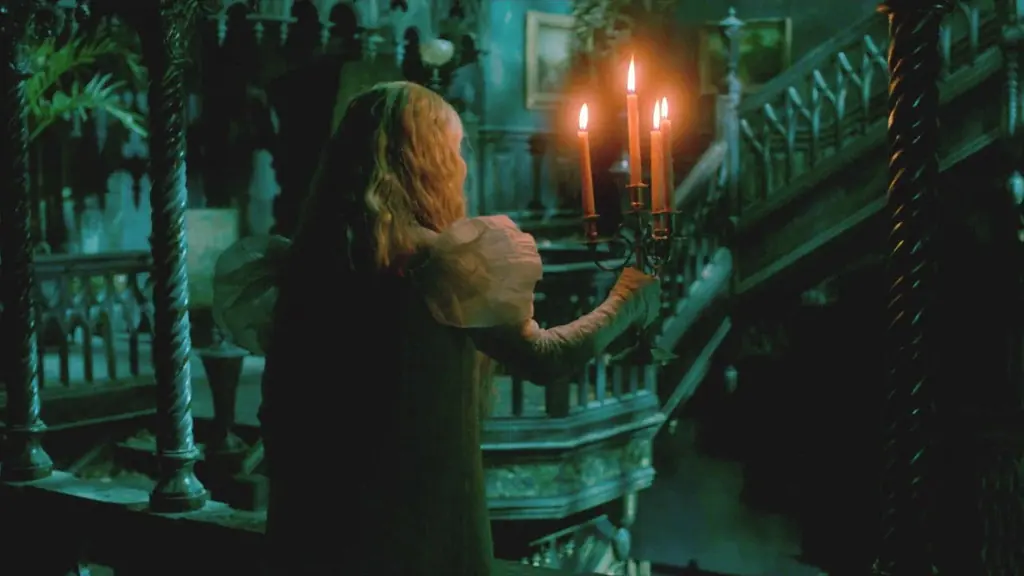
The film's biggest misstep lies in its handling of the supernatural elements. Despite the presence of ghosts and a sprawling, eerie mansion, the specters do absolutely nothing to advance the plot. They serve merely as visual flourishes, providing fleeting moments for the protagonist, played by Mia Wasikowska, to wander down dimly lit hallways with a candle. The reviewer posits a bold challenge: remove every ghost from Crimson Peak, and the narrative remains entirely cohesive and unchanged. The ghosts are CGI creations, visually interesting as Guillermo del Toro's creature designs often are, but they are never scary and never impactful. This isn't a ghost story; it's a story where ghosts happen to exist in the background, a missed opportunity that severely undermines any potential for genuine suspense or horror. The plot itself is a cliché, a familiar tale that feels recycled from countless television episodes and other films.
Tone, Direction & Creative Freedom
Guillermo del Toro's direction is a double-edged sword. His unparalleled visual flair ensures that Crimson Peak is a feast for the eyes. Every frame is meticulously crafted, every set piece a work of art. The film looks magnificent, a testament to the director's aesthetic genius. However, this visual splendor is ultimately a distraction from a weak script and a predictable story. It's a bummer, as the reviewer notes, because if this stunning visual aesthetic had been paired with a truly great story, compelling characters, and sharp dialogue, the film would have been an absolute triumph. Instead, the gorgeous packaging contains a rather empty gift.
The Final Verdict
Crimson Peak is a film that promises much with its stunning visuals and the pedigree of Guillermo del Toro, but ultimately delivers a hollow experience. While Tom Hiddleston and Jessica Chastain deliver strong performances, they can't salvage a cliché plot and a frustratingly inert supernatural element. The film looks like a masterpiece, but its substance is paper-thin, making it a visually appealing but narratively disappointing gothic romance. It's the kind of movie that might be more enjoyable with a few drinks, allowing the visuals to wash over you without dwelling on the plot's shortcomings.
What Worked
- Stunning and meticulous set design
- Gorgeous cinematography and visual aesthetic
- Strong performances from Tom Hiddleston and Jessica Chastain
- Visually interesting creature designs for the ghosts
- Intense and engaging ending sequence
What Didn't Work
- Misleading marketing as a horror film
- Cliché and predictable plot
- Ghosts are ineffective and add nothing to the story
- Pacing issues, feeling drawn out in parts
- Characters beyond the leads are largely uninteresting