
Introduction: A Gut-Punching Chronicle of Catastrophe
When news broke of the 2010 Deepwater Horizon oil rig explosion, the world watched in horror. Years later, director Peter Berg brings this unfathomable tragedy to the big screen with Deepwater Horizon, a film that doesn't just recount events but plunges audiences directly into the heart of the disaster. This isn't merely another disaster movie; it's a raw, impactful experience designed to make you feel every tremor, every explosion, and every desperate struggle for survival. From the opening frames, it's clear this film aims for more than just spectacle, striving for a respectful yet utterly engrossing portrayal of a real-world nightmare.
The Lead Dynamic & The Action
The film immediately hooks viewers by grounding the impending chaos in relatable characters. Mark Wahlberg anchors the narrative as an "everyday Joe," a normal guy thrust into an unimaginable situation. His performance is commendably understated, allowing audiences to connect with his plight as he navigates the escalating horror and fights to save lives. Alongside him, Kurt Russell delivers a standout performance, radiating a no-nonsense attitude that makes his character instantly memorable. His presence adds a crucial layer of authority and grit, particularly in the face of corporate negligence. Even John Malkovich makes a strong impression, portraying a character so unlikable he's dubbed "Dickov," embodying the corporate indifference that sets the stage for disaster.
One of the film's most brilliant narrative choices is its ability to demystify the complex technical failures that led to the explosion. Using a simple visual aid—a soda can, honey, and a straw—the film explains the mechanics of the rig's impending doom in a way that is "brilliantly done" and accessible to "all ages." This clever exposition ensures that when the rig inevitably erupts, the audience understands not just what is happening, but why, amplifying the tension and the sheer terror of the unfolding events.
Cameos, Nostalgia & Narrative Stakes
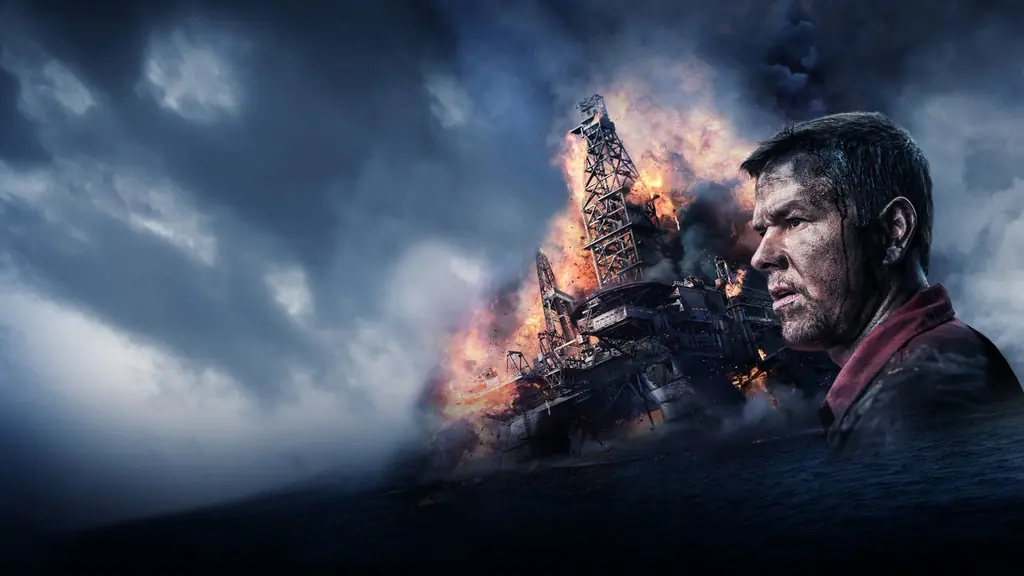
Deepwater Horizon excels at illustrating the "magnitude of the situation," a scale often lost when viewed through news reports. The film meticulously breaks down the "stack of domino" failures, showing how one critical misstep led to another, creating a terrifying chain reaction. It's like watching the Titanic sink, but as one observer put it, "the Titanic has teeth and it's exploding and trying to kill you." The narrative doesn't shy away from the horrific reality, depicting the rig's destruction as an "M80 in a milk jug," a chaotic, uncontrollable force.
The film's power lies in its unflinching portrayal of a real event that occurred just six years prior to its release. This proximity to the actual tragedy lends an undeniable weight to every scene, making the "unfathomably big disaster" feel incredibly immediate and personal. The stakes are inherently high because it's not a fictional scenario; it's a recent memory, a stark reminder of human vulnerability in the face of industrial catastrophe.
Tone, Direction & Creative Freedom
Peter Berg's direction strikes a delicate balance, crafting a film that is both a thrilling disaster epic and a respectful tribute to those affected. The tone is heavy, as it should be, immersing viewers in the desperate struggle for survival. The film's build-up to the disaster, while noted as taking "a little while," is ultimately "well spent and necessary setup." This deliberate pacing ensures that when the explosions begin, the audience is fully invested in the characters and the dire circumstances, making the ensuing chaos all the more impactful.
The film's ability to leave audiences "gut punched" and walking out "in silence" speaks volumes about its effectiveness. It's a movie that forces you to confront the reality of an "unwinnable situation," where people "scramble for their lives." This isn't just a spectacle; it's an experience that resonates deeply, leaving a lasting impression of the human cost of such a disaster.
The Final Verdict
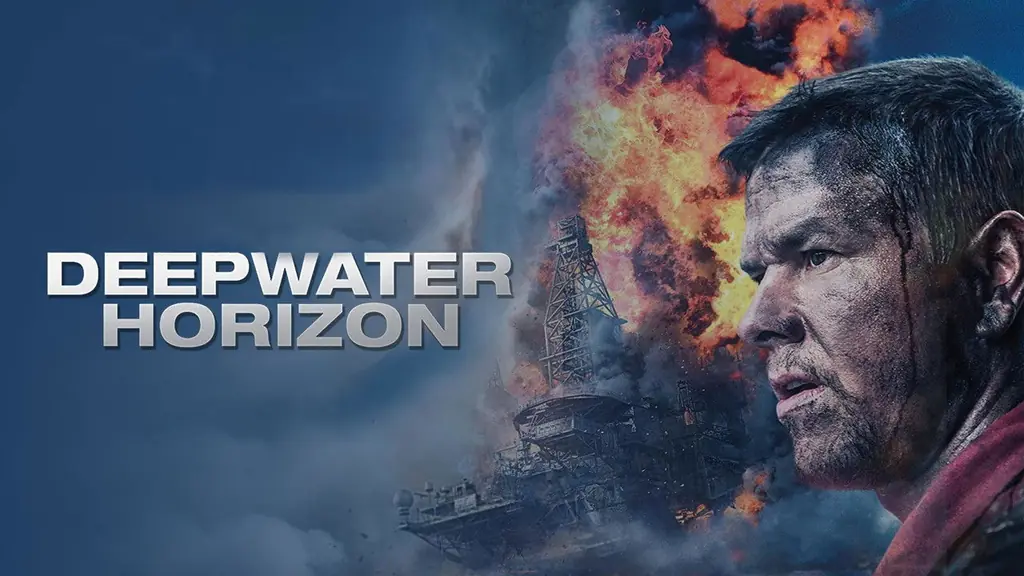
Deepwater Horizon is an "awesome-tacular" achievement, standing out as one of the most impactful films of its year. It's a rare disaster movie that combines heart-pounding action with a profound sense of realism and respect for its subject matter. While the initial setup might test some viewers' patience, the payoff is an intensely gripping and emotionally resonant experience that is both terrifying and deeply moving. This is a film that demands to be seen, offering a powerful reminder of a tragic event and the incredible resilience of the human spirit.
What Worked
- Visceral, impactful, and engrossing storytelling.
- Strong, relatable performances from [[person:13240|Mark Wahlberg]] and [[person:6856|Kurt Russell]].
- Brilliant, accessible explanation of complex technical failures.
- Respectful and realistic portrayal of a real-life tragedy.
- Effective and necessary build-up to the disaster.
What Didn't Work
- The initial lead-up to the main disaster sequence can feel prolonged.



