Introduction
The horror genre often promises fresh scares, but Deliver Us from Evil (2014) lands squarely in familiar territory. Marketed as a chilling blend of police procedural and demonic possession, it sets up Eric Bana as a skeptical New York detective plunged into a world he can't explain. Audiences might have anticipated a gritty, grounded take on the supernatural, but what unfolds is a parade of well-worn tropes.
The Lead Dynamic & The Action
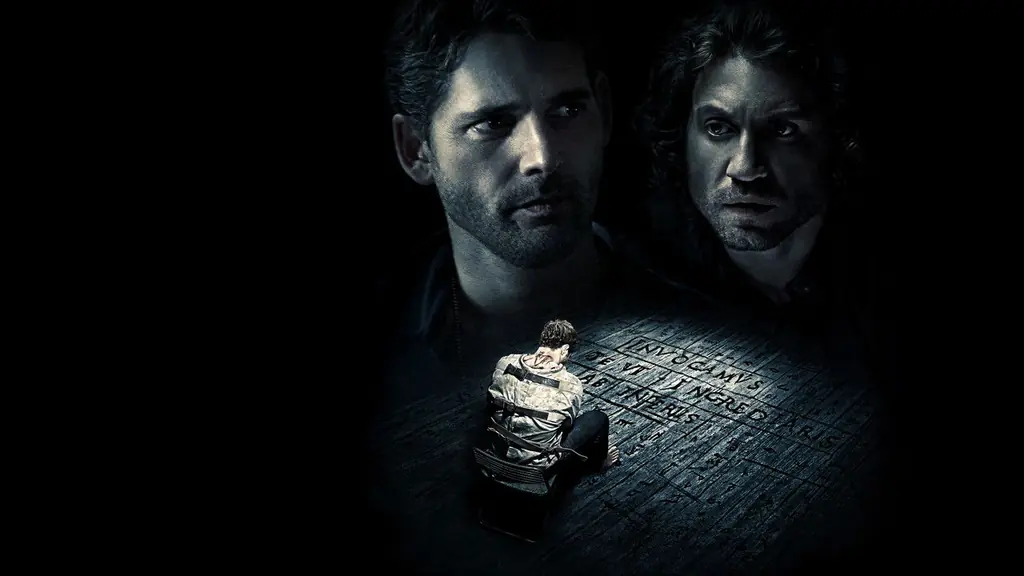
Eric Bana's detective, with Joel McHale as his partner, and the initial investigative premise offer a glimmer of something different. There's an attempt to channel the atmospheric dread of films like "Fallen," suggesting a more cerebral approach to the demonic. However, this ambition quickly gives way to a relentless barrage of horror clichés. Lights flicker, flashlights die at the worst possible moments, and every creak and shadow is a cue for another jump scare. From cats to dogs to inexplicable bloody faces, the film throws everything at the screen in a desperate bid to unsettle, often with little narrative justification.
Cameos, Nostalgia & Narrative Stakes
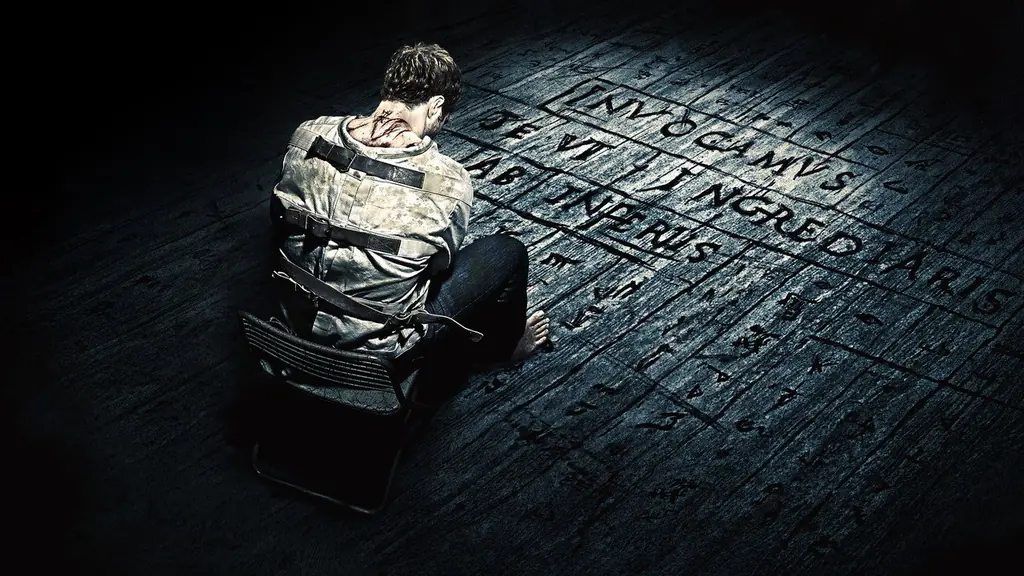
The narrative stakes feel perpetually low, largely because the plot is so transparent. The moment Eric Bana's character encounters a seemingly possessed individual, the path is clear: a skeptical cop will eventually confront his disbelief, aided by a "cop priest" (played by Edgar Ramírez) who conveniently "knows what this is." Every beat, from the little girl scared in bed to the inevitable exorcism, is telegraphed far in advance. Yet, amidst this predictability, a moment of bizarre brilliance shines through. During the climactic exorcism, a needle drop from The Doors unexpectedly breaks the tension, providing a genuinely funny and memorable, albeit unintentional, highlight.
Tone, Direction & Creative Freedom
Scott Derrickson's direction struggles to forge a unique identity for Deliver Us from Evil. The film oscillates between trying to be a serious crime thriller and a full-blown supernatural horror, never fully committing to either with conviction. The tone is inconsistent, often sacrificing logic and subtlety for cheap scares. It feels like a production that, despite its efforts, was ultimately constrained by the very genre conventions it sought to explore, resulting in a product that feels more like a checklist of horror tropes than a cohesive vision.
The Final Verdict
For those who have seen their fair share of paranormal thrillers, Deliver Us from Evil offers little new. It's a film that tries to blend familiar elements but ultimately delivers a largely forgettable experience. While it might provide a few fleeting jolts for unsuspecting audiences or teenagers sneaking into an R-rated feature, seasoned horror fans will likely find themselves bored, having "seen it done before, and seen it done better." It's a movie that, despite its R-rating and attempts at intensity, struggles to leave any lasting impression beyond its reliance on jump scares.
What Worked
- Attempted a cop investigative element
- One genuinely funny, unexpected musical moment
- More enjoyable than some other low-tier horror films
What Didn't Work
- Overloaded with horror clichés
- Excessive and often irrelevant jump scares
- Lacked logic, reason, and subtlety
- Unoriginal and predictable plot
- Forgettable characters and story