
Introduction
Step into the "Vince Vaughn-a-verse," a cinematic dimension where Vince Vaughn consistently embodies a familiar, fast-talking charmer. With Delivery Man, audiences braced for another dose of the tried-and-true, but this film promised a twist: what if that signature persona was suddenly responsible for 533 children? The premise alone sparked curiosity, setting the stage for a comedy that could either lean into predictable gags or deliver something genuinely fresh.
The Lead Dynamic & The Action
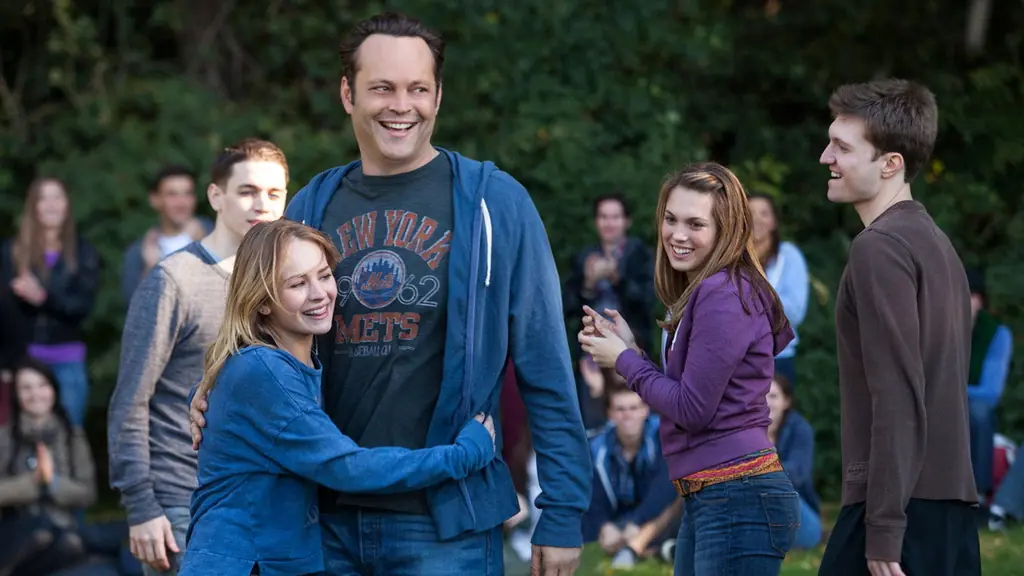
At the heart of Delivery Man is Vince Vaughn as David Wozniak, a man whose past as a prolific sperm donor catches up to him in a big way. Vaughn, true to form, delivers his established character with all the familiar wit and charm that fans have come to expect. Yet, the film finds its stride not just in the laughs, but in the surprisingly heartfelt journey David undertakes. As he anonymously connects with his biological offspring, playing a "guardian angel" role, the film unearths moments of genuine emotion. These unexpected dramatic beats elevate the experience, proving that even within the comfort of the "Vaughn-a-verse," there's room for sincere character growth and touching human connection.

Cameos, Nostalgia & Narrative Stakes
The core narrative of Delivery Man revolves around a legal battle and the profound desire of 533 young adults to discover their biological father. This central conflict provides ample narrative stakes, yet the film occasionally stumbles with its subplots. Take, for instance, the "bad egg" son, played by Jack Reynor, who intrudes on David's life with a creepy intensity, only to vanish without a trace. This particular thread feels jarring and ultimately wastes screen time, pulling focus from the more engaging family dynamics. Similarly, an early subplot involving mobsters demanding money from David is introduced to establish his financial woes but then abruptly disappears. While these elements might have been present in the original film this is based on, their integration here feels clunky and unresolved, leaving viewers wondering why they were included at all when simpler narrative devices could have achieved the same plot points more elegantly.
Tone, Direction & Creative Freedom
Under the direction of Ken Scott, Delivery Man manages to strike a commendable balance between its comedic elements and its more dramatic, heartfelt moments. The film's tone is largely lighthearted, but it isn't afraid to delve into the emotional complexities of David's unique situation. Despite the aforementioned narrative missteps, Scott guides the story to a place that feels genuinely enjoyable and surprisingly warm. It's a testament to the film's overall charm that it overcomes its structural flaws to deliver a satisfying experience, suggesting a creative freedom that allowed for both humor and unexpected depth.
The Final Verdict
Delivery Man is a funny, enjoyable film that delivers a surprising amount of heart. While it occasionally veers off course with unresolved subplots, the core premise and Vince Vaughn's familiar, charming performance make it a worthwhile watch. It's a "good time" that offers more emotional resonance than one might expect from its comedic setup, making it a solid recommendation for those seeking a feel-good story with a unique twist on fatherhood.
What Worked
- Surprisingly heartfelt and genuinely enjoyable.
- [[person:4937|Vince Vaughn]]'s familiar, charming persona is a comfort.
- Unique and intriguing premise of 533 children.
- Moments of unexpected, well-executed drama.
- The protagonist's "guardian angel" role creates touching bonds.
What Didn't Work
- The "bad egg" son subplot is jarring and unresolved.
- An abandoned mob subplot feels like wasted screen time.
- Some side stories detract from the main narrative.
- Relies heavily on [[person:4937|Vince Vaughn]] playing his established character.



