Introduction
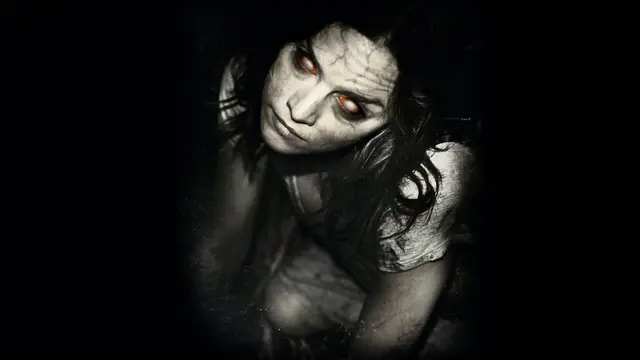
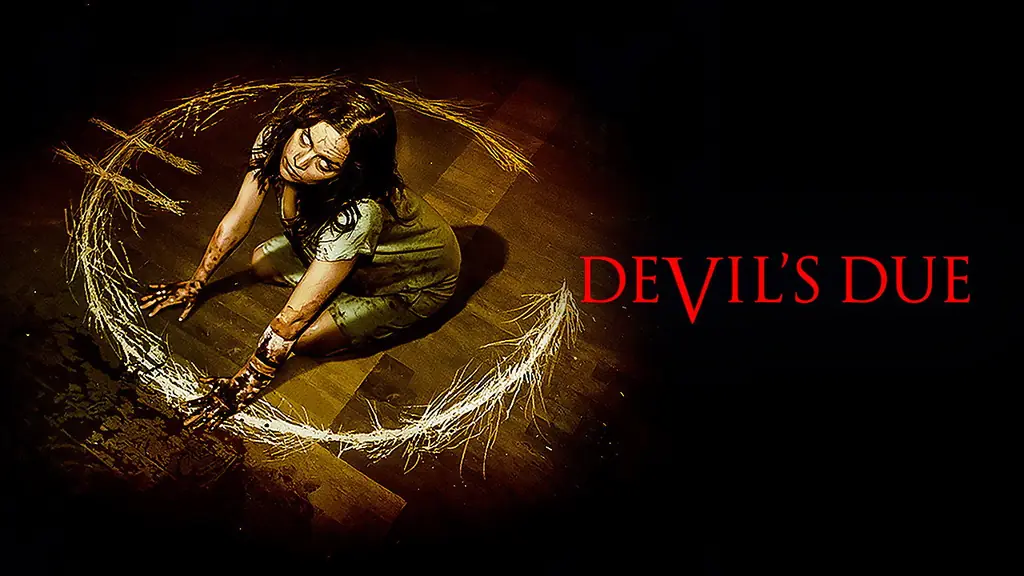
The found footage horror craze, once a fresh jolt to the genre, has long since worn out its welcome. By 2014, audiences were already weary, and then came Devil's Due, a film that not only embraces the format but, according to many, drives another nail into its coffin. This tale of a newlywed couple, Zach Gilford and Allison Miller, whose honeymoon takes a sinister turn, promised demonic possession and unsettling scares. What it delivered, however, was a masterclass in how not to make a horror film.
The Lead Dynamic & The Action
From the outset, the film introduces us to a couple whose decision-making skills are, to put it mildly, questionable. On their honeymoon, they're lured by a "shady cab driver" into what he promises is a "special" place. This "special" place turns out to be a dark alley, down some stairs, past boarded-up windows, and into a basement club. Any sane person would have bolted, but not these two. Their willingness to follow a stranger into such an obvious trap sets the tone for a series of baffling choices that plague the entire narrative. While the initial setup of a "secret underground thing" and the idea of them being watched briefly sparks interest, it quickly devolves into predictable found footage tropes. The film's attempts at "action," such as objects being thrown around the house, feel less like genuine scares and more like a tired rehash of what other, better films have already done.
Cameos, Nostalgia & Narrative Stakes
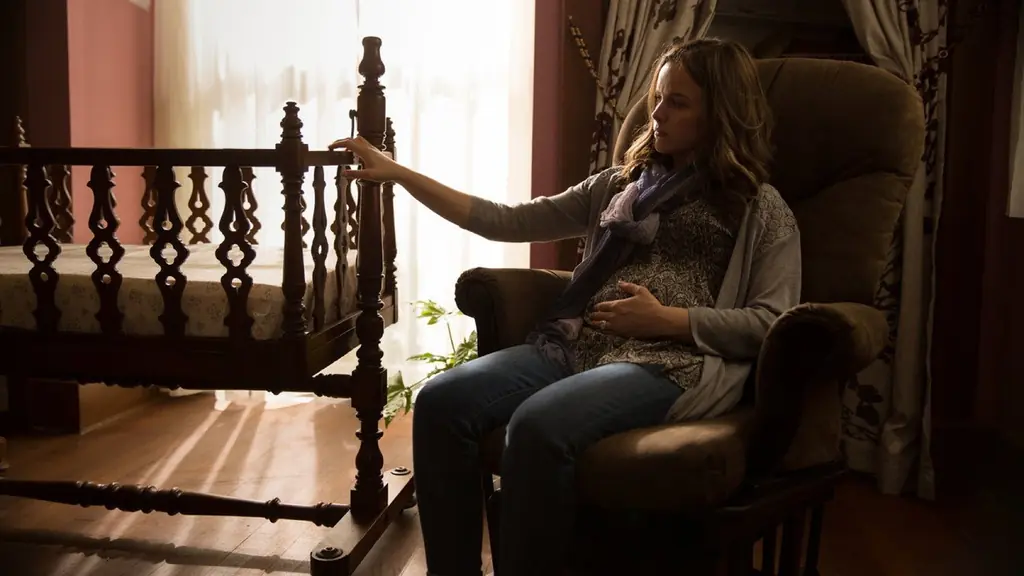
The narrative of Devil's Due is riddled with more holes than a sieve. The central premise, framed by a police interrogation of the husband, immediately undermines any sense of mystery or stakes. We see him bleeding, denying guilt, and then the film flashes back to "what happened." The very nature of found footage is supposed to imply authenticity, tapes "found" after the fact. Yet, the film's timeline and the husband's clear innocence from the start make the entire "found footage" conceit illogical. If the tapes exonerate him, why is he being interrogated? This fundamental flaw pulls the viewer out of the experience, constantly questioning the film's internal logic. Even supporting characters, like a police officer investigating strange occurrences, are portrayed as utterly incompetent, dismissing clear evidence of vandalism and surveillance with a shrug and a promise to "make a report." The introduction of a suspiciously convenient, shady OBGYN, replacing the wife's regular doctor, further highlights the film's reliance on transparent plot devices rather than organic storytelling.
Tone, Direction & Creative Freedom
Directed by Tyler Gillett, Devil's Due struggles immensely with tone and pacing. Despite its lean 1 hour and 28-minute runtime, the film feels "so long" and "boring." The constant reliance on the found footage aesthetic, rather than enhancing the horror, actively detracts from it. The reviewer posits that if the film had shed this gimmick and embraced a more traditional horror approach, akin to films like Insidious or Sinister, it "would be better." This suggests a fundamental misjudgment in creative direction, where the format itself becomes a cage rather than a canvas. The scares are uninspired, the tension is non-existent, and the overall execution feels like a missed opportunity to explore genuinely unsettling themes of paranoia and demonic influence. Instead, it leans on cheap jump scares and predictable narrative beats.
The Final Verdict
Ultimately, Devil's Due is a frustrating watch. It's a film that exemplifies the pitfalls of a genre pushed past its breaking point, offering little in the way of originality or genuine frights. The characters are baffling, the plot is full of inconsistencies, and the found footage gimmick feels less like an artistic choice and more like a crutch. While a brief moment of intrigue hints at a more interesting story, the film quickly squanders any potential. For those seeking a truly terrifying or even just engaging horror experience, this one is best left unwatched. It's a cinematic misstep that proves some trends are better left in the past.
What Worked
- Briefly intriguing "secret underground thing" setup.
- The initial premise of being watched offers fleeting interest.
What Didn't Work
- Overreliance on the tired found footage gimmick.
- Baffling character decisions and "stupid" protagonists.
- Numerous plot holes and logical inconsistencies.
- Pacing issues make the short runtime feel excessively long.
- Unimpressive scares and a boring narrative.