
Introduction
Doctor Sleep arrived with the unenviable task of being a sequel to not one, but two legendary interpretations of Stephen King's work: his own novel and Stanley Kubrick's iconic film, The Shining. This cinematic tightrope walk, helmed by Mike Flanagan, promised to revisit the scarred psyche of Danny Torrance, now an adult, while navigating the distinct stylistic legacies of King and Kubrick. The challenge was immense, almost as daunting as making a Star Wars movie, but the ambition was clear: to deliver a horror experience that honored its past while forging its own path.
The Lead Dynamic & The Action
At the heart of Doctor Sleep is Ewan McGregor's portrayal of Dan Torrance. He carries the weight of his childhood trauma with palpable damage, a man trying to keep his head down and his extraordinary abilities hidden. It's a familiar archetype – the hero trying to lay low until circumstances force them back into action. But the true standout is Rebecca Ferguson as the chilling leader of the cult, Rose the Hat. Her performance is nothing short of perfection, embodying a villainy that is both terrifying and, surprisingly, given a degree of understanding. This isn't just a faceless monster; the film delves into the cult's motivations, showing their own fear of death and their desperate need to feed off the "shine" of others. It adds a layer of complexity rarely seen in horror antagonists, making her a truly memorable presence.

Cameos, Nostalgia & Narrative Stakes
The film skillfully weaves in "Kubrick-isms" – visual cues and stylistic choices that remind audiences this is indeed a continuation of that specific cinematic universe. Yet, it fundamentally feels like a Stephen King story, balancing the two influences with surprising grace. For those who haven't seen The Shining, Doctor Sleep can still function as a standalone supernatural horror film, with its compelling cult and thrilling pursuit of those with the "shine." However, the emotional resonance and deeper meaning of its connections to the original will be lost. The film makes it clear: to truly appreciate the narrative stakes and the weight of Dan's journey, a prior viewing or refresher of The Shining is highly recommended. Watching both films back-to-back, as the reviewer did, creates a five-hour supernatural epic that works remarkably well in tandem, deepening the lore and exploring themes of a less spiritual, more technological world.
Tone, Direction & Creative Freedom
Mike Flanagan navigates the tricky waters of adapting a Stephen King sequel that also serves as a follow-up to a film King famously disliked. The result is a film that respects both legacies, finding a unique tone that is more King-esque in its character depth and thematic exploration, yet peppered with respectful nods to Kubrick's visual language. The direction allows for a deeper dive into the lore of the "shine" and its implications, offering a message about the shift from a spiritual to a more pragmatic, technological mindset in the modern world. It's a testament to Flanagan's vision that he manages to make this complex narrative feel cohesive and impactful, delivering a proper sequel that stands on its own while enriching its predecessor.
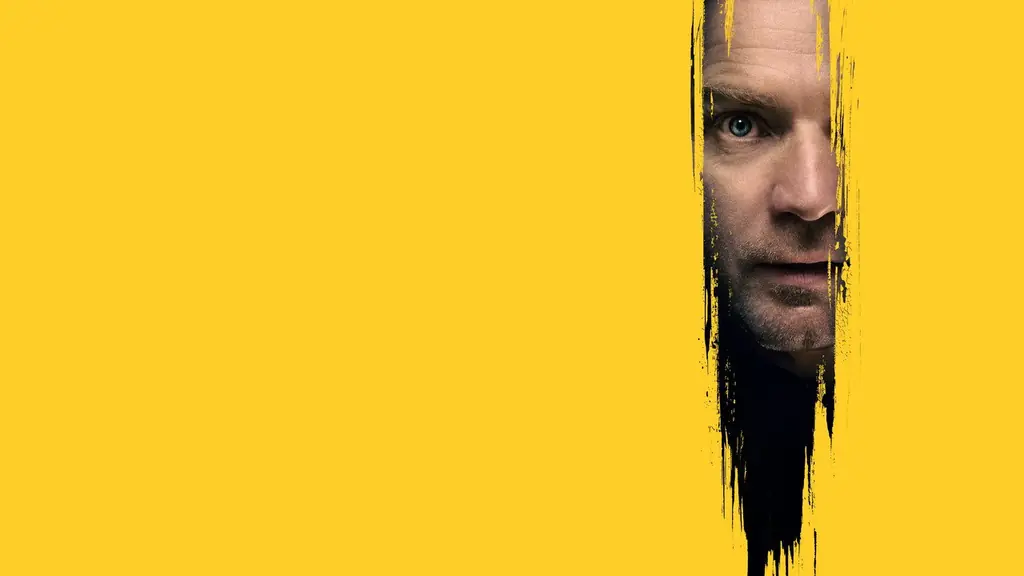
The Final Verdict
Ultimately, Doctor Sleep is a rewarding and worthwhile watch. It's a film that successfully bridges the gap between two titans of horror, offering a compelling story with strong performances and a thoughtful expansion of its universe. While a viewing of The Shining is almost essential for the full experience, this film delivers a potent blend of supernatural horror, character drama, and thematic depth that will resonate with fans of both Stephen King and Stanley Kubrick's original vision. It's a journey back to the Overlook, but through a new, equally haunting lens.
What Worked
- [[person:933238|Rebecca Ferguson]]'s chilling and complex performance as Rose the Hat is perfection.
- [[person:3061|Ewan McGregor]] delivers a compelling portrayal of a damaged, adult Dan Torrance.
- Successfully balances Stephen King's narrative depth with Stanley Kubrick's iconic aesthetic.
- Expands the lore of "the shine" and its universe in a thoughtful way.
- Works effectively as both a standalone horror and a proper sequel to The Shining.
What Didn't Work
- New viewers might miss crucial context and emotional resonance without seeing The Shining first.
- The challenge of balancing two distinct creative visions was a difficult tightrope walk.
- The combined runtime with The Shining is a significant time commitment.



