Introduction
The Marvel Cinematic Universe plunged headfirst into its third phase with Doctor Strange, introducing audiences to a new kind of hero and a fresh dimension of power. Hype swirled around the casting of Benedict Cumberbatch as Dr. Stephen Strange, a role many fans had championed for years, and the film delivers on this anticipation. It presents the compelling origin of an arrogant, brilliant neurosurgeon whose world shatters after a devastating accident. His crushed hands, once his greatest asset, become his greatest liability, forcing him to confront a reality far beyond the confines of Western medicine and scientific understanding. This journey of self-discovery and transformation feels akin to watching a modern-day "Greg House learns magic," complete with the sharp wit, a deep-seated arrogance, and the eventual humbling that paves the way for heroism. Strange's initial disbelief in anything beyond the tangible ("I don't believe in chakras or energy or the power of belief. I believe in the patient.") sets the stage for a profound shift in perspective.
The Lead Dynamic & The Action
Benedict Cumberbatch truly shines as Strange, bringing a surprising amount of humor to a character that could easily have been one-dimensionally serious. The film is packed with intense magical battles, yet it expertly weaves in comedic beats that, for the most part, land perfectly. These moments often catch viewers off guard, adding a layer of unexpected relatability to the otherwise fantastical proceedings. The reviewer noted a pleasant surprise at Cumberbatch's comedic timing, acknowledging that an arrogant character without humor risks becoming unlikeable. While the humor generally hits, a few instances see it slightly undercutting what could have been truly epic, resonant moments, leaving a desire for the impact of the spectacle to linger just a little longer.
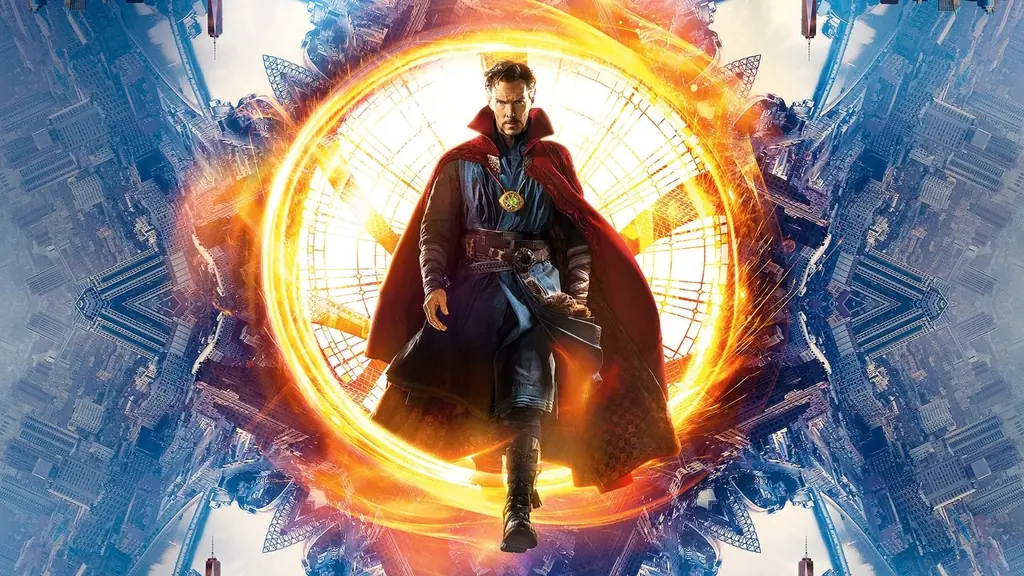
But where Doctor Strange truly excels is in its visual spectacle and groundbreaking action sequences. Forget traditional superhero brawls; this film redefines what a fight scene can be. Imagine looking through a kaleidoscope at a bustling cityscape, then watching as that entire urban landscape folds in on itself, defying gravity and logic. Now, picture people fighting with magic within that impossibly shifting environment. The innovative use of fractals and tesseracts creates a dizzying, mind-bending experience that is unlike anything seen in the MCU before. The unique nature of these magic-infused fights, where reality itself becomes a weapon and a canvas, is where the film carves its own distinct identity and leaves a lasting impression.
Cameos, Nostalgia & Narrative Stakes
At its core, Doctor Strange is a meticulously crafted origin story, and a compelling one at that. It charts Strange's transformation from a self-absorbed surgeon, convinced of his own infallibility, to a reluctant sorcerer who eventually accepts his role in protecting existence. His journey of shedding arrogance and embracing humility mirrors the arcs of other iconic MCU heroes like Tony Stark and Thor, yet it feels fresh and engaging with its unique magical context. The film effectively portrays his initial resistance to the mystical path, highlighting that he didn't seek out this power but rather stumbled into it out of desperation, only to find himself thrust into a cosmic conflict he never asked for.
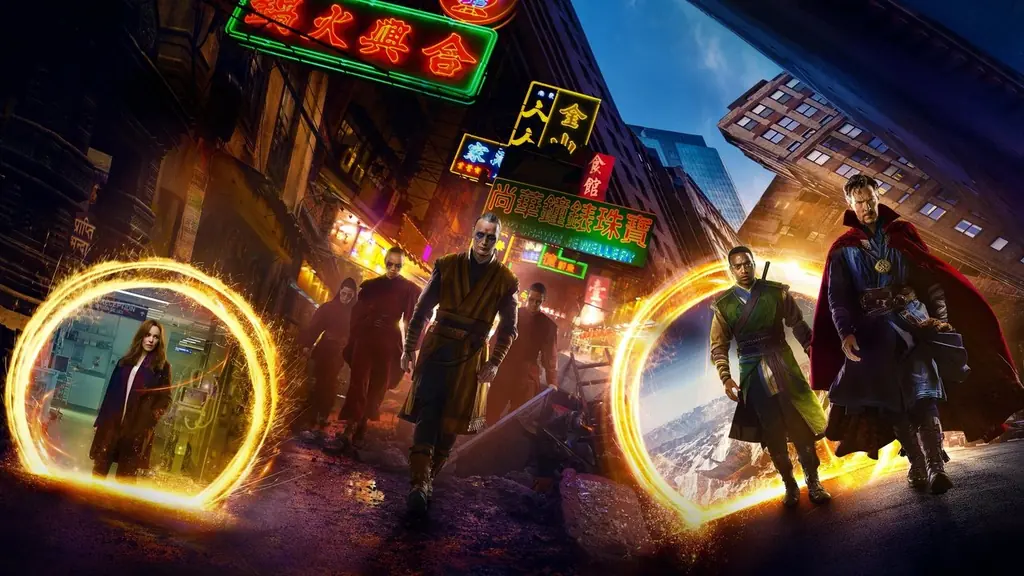
The film introduces Mads Mikkelsen as Kaecilius, the primary antagonist, and while he delivers a solid performance, the narrative could have benefited from more screen time and development for the villain. This is a common critique in the MCU, where compelling villains sometimes take a backseat to the hero's journey. However, Mikkelsen's character is undeniably crucial to driving the plot forward, providing a clear and present danger that forces Strange to evolve. Supporting players like Chiwetel Ejiofor as Mordo and Rachel McAdams as Christine Palmer also make significant contributions. McAdams, in particular, avoids the pitfalls of a token love interest; her character is used sparingly but effectively, adding a human element to Strange's life without forcing a contrived romance, making her scenes genuinely impactful.
One minor narrative stumble noted by the reviewer involves Strange's rapid progression in magic. While the film implies a period of training, his leap from struggling with basic portals to mastering them feels a touch too quick. This leaves some viewers wishing for a clearer sense of the time invested in his magical education, making it harder to fully buy into his sudden proficiency.
Tone, Direction & Creative Freedom
Under the confident direction of Scott Derrickson, Doctor Strange boldly embraces its fantastical elements. The tone expertly balances serious stakes and existential threats with the aforementioned unexpected humor, creating an engaging and dynamic experience. Crucially, the film introduces pure magic to the MCU, a significant departure from the "science indistinguishable from magic" explanations often used for characters like Thor. There's no technological workaround or advanced alien science here; this is straight-up, unadulterated sorcery, and the film revels in its unique visual language and mystical lore. This creative freedom allows for truly imaginative sequences that push the boundaries of what a superhero movie can look like, establishing a new and exciting corner of the Marvel universe. The film doesn't just show magic; it makes it feel tangible, dangerous, and awe-inspiring.
The Final Verdict
Doctor Strange is a thoroughly enjoyable and visually stunning entry into the Marvel Cinematic Universe. It's a film that takes bold risks with its aesthetic, delivering a compelling origin story for a character destined for greatness. The journey of Stephen Strange, from arrogant surgeon to humble sorcerer, is both relatable and inspiring, anchored by Benedict Cumberbatch's excellent performance. With its groundbreaking visuals, unexpected humor, and a strong lead, it's a cinematic ride that's certainly worth taking. Prepare to be dazzled by a world where reality is merely a suggestion, and magic is the ultimate power. This is a film that will leave you entertained and eager for more mystical adventures.
What Worked
- Visually groundbreaking and unique magical action sequences.
- [[person:71580|Benedict Cumberbatch]]'s charismatic and surprisingly humorous performance.
- Engaging and well-executed origin story for a complex hero.
- Introduces a distinct, pure magic system to the MCU.
- Effective use of supporting cast, particularly [[person:53714|Rachel McAdams]].
What Didn't Work
- The main villain, [[person:1019|Mads Mikkelsen]]'s Kaecilius, feels somewhat underutilized.
- Pacing sometimes rushes Strange's mastery of complex magic.
- Occasional humor can slightly detract from potentially epic moments.