
Introduction
The premise of Don't Breathe is deceptively simple: three young individuals, accustomed to breaking into homes and pilfering valuables, eye what appears to be an easy target. An old, blind man, living alone with a rumored fortune, seems like a guaranteed score. What could possibly go wrong? As it turns out, everything. This isn't just any blind man; this is a force of nature, and these would-be thieves are about to learn a very hard lesson about underestimating their prey. From the moment they step inside, the film transforms from a simple heist into a brutal, terrifying fight for survival.
The Lead Dynamic & The Action
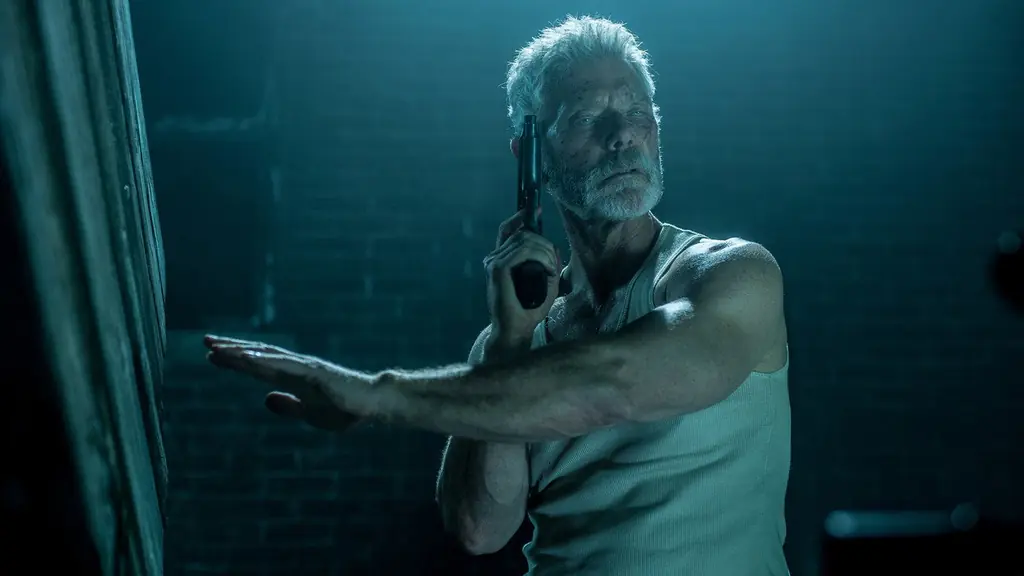
At the heart of Don't Breathe's chilling effectiveness is the performance of Stephen Lang as the blind homeowner. He embodies a character who is initially perceived as frail, only to quickly reveal himself as a relentless, monstrous adversary. The film masterfully builds tension, turning the house into a claustrophobic arena where every creak, every whisper, and every held breath amplifies the terror. Viewers will find themselves literally holding their breath alongside the protagonists, a testament to the film's immersive suspense. The genius lies in its simplicity: no ghosts, no ghouls, just one terrifying man in the dark, and the desperate struggle to escape his clutches. Lang’s ability to convey such a terrifying presence with minimal dialogue is a remarkable feat, proving that true horror often comes from what isn't said.
Cameos, Nostalgia & Narrative Stakes
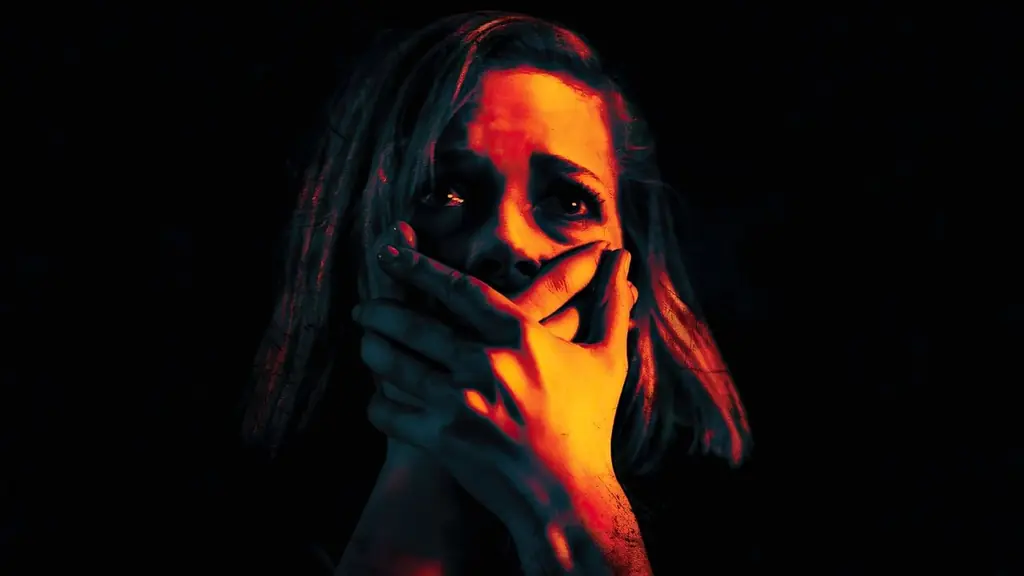
Don't Breathe excels when it sticks to its core, wonderfully simple premise: a group of intruders trapped in a house with a dangerous, blind man. The film is a refreshing take on the home invasion genre, cleverly flipping the script where the "victims" become the aggressors, and the "aggressors" become the hunted. This reversal of roles keeps audiences on edge, constantly questioning who to root for. However, the film does falter slightly in its final act. A particular plot element is introduced that, while intended to escalate the stakes, feels out of place and deviates from the elegant simplicity that made the first two-thirds so compelling. It's a moment that, for some, might stick out like a sore thumb, disrupting the otherwise perfectly wound tension.
Tone, Direction & Creative Freedom
Under the direction of Fede Álvarez, Don't Breathe is a masterclass in sustained suspense. The pacing is relentless, like a guitar string being wound tighter and tighter, always on the verge of snapping. Álvarez crafts an atmosphere of suffocating dread, utilizing the confined space of the house to its fullest potential. The film doesn't rely on jump scares but rather on an intense, pervasive feeling of impending doom. It’s a testament to the director’s vision that he takes a familiar genre and injects it with such a fresh, terrifying energy, proving that sometimes, less is truly more when it comes to horror.
The Final Verdict
For those seeking a pure, unadulterated dose of survival horror, Don't Breathe delivers in spades. It’s a tense, gripping experience that will keep you on the edge of your seat from start to finish. Despite a minor misstep in its third act, the film’s strengths—particularly Stephen Lang’s chilling performance and the relentless tension—far outweigh its flaws. It’s a film that redefines the home invasion thriller, making the invaders the ones who truly have something to fear. This is a movie that demands your full attention and will leave you breathless.
What Worked
- Stephen Lang's terrifying and relentless performance.
- Masterful creation of suffocating tension and suspense.
- A refreshing and clever twist on the home invasion genre.
- Simple, yet incredibly effective, premise.
- Expert direction by Fede Álvarez creating pervasive dread.
What Didn't Work
- The third act introduces an unnecessary and jarring plot element.
- Deviation from the core simple premise weakens the narrative slightly.



