Introduction
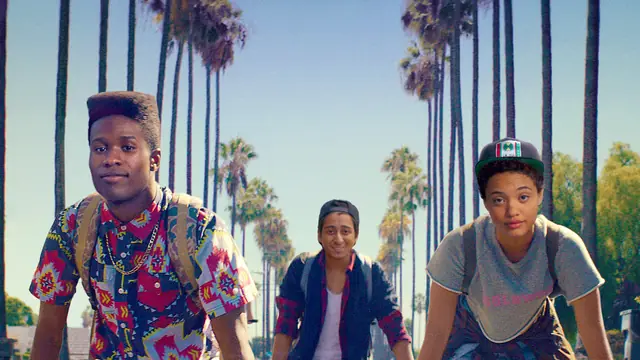
In a cinematic landscape often saturated with predictable narratives, Dope emerges as a vibrant, genre-defying anomaly. From its opening frames, the film playfully misleads, presenting a world steeped in '90s hip-hop culture and fashion, making viewers question if they've stumbled into a period piece. Yet, the sudden appearance of an iPhone quickly grounds the story in the modern day, revealing its protagonists as dedicated '90s enthusiasts rather than time travelers. This clever subversion of expectation sets the stage for a truly unique experience—a film that refuses to be neatly categorized, blending elements of comedy, crime, and coming-of-age drama into an unforgettable concoction. It's the kind of movie that stands out, demanding attention and rewarding those who appreciate originality.
The Lead Dynamic & The Action
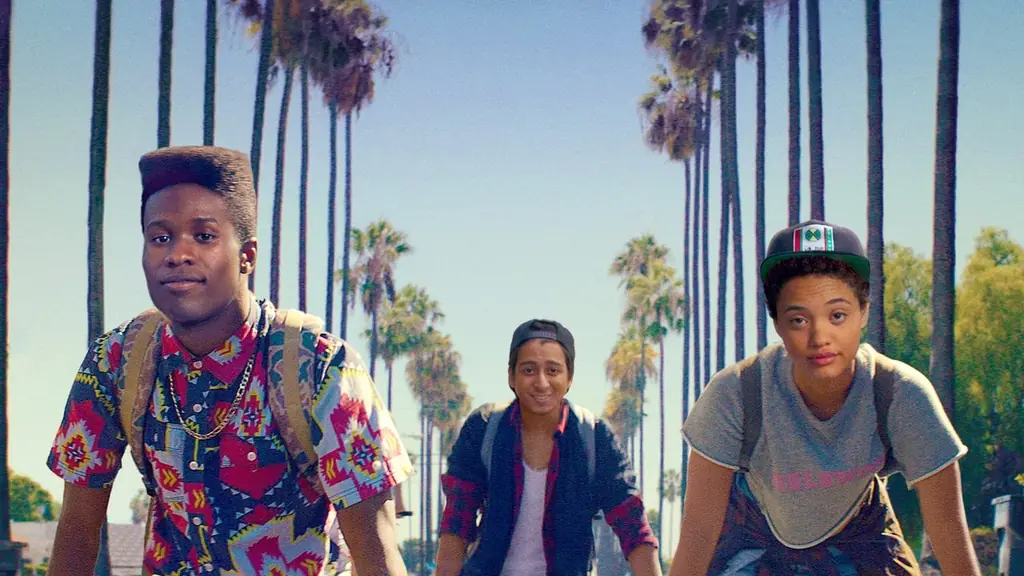
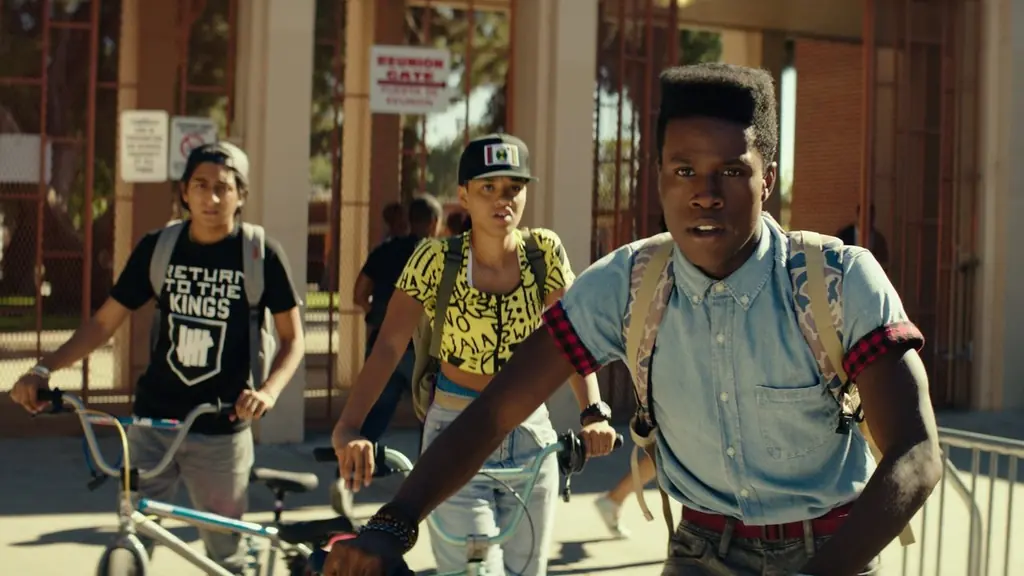
At the heart of Dope is Malcolm, portrayed with captivating depth and charisma by Shameik Moore. Malcolm, along with his equally '90s-obsessed friends, is a self-proclaimed nerd, navigating the complexities of high school in a tough Inglewood neighborhood. Moore's performance is a revelation; he embodies the earnest, intelligent outsider with a genuine vulnerability that makes him instantly relatable. The dynamic between Malcolm and his friends is a constant source of humor and heart, their shared love for punk rock and '90s hip-hop forming an unbreakable bond. Their comedic timing is impeccable, a crucial element as their lives take an unexpected turn. What begins as a quest for academic success quickly escalates into a series of increasingly outlandish "shenanigans" involving drugs, parties, and dangerous characters. The film masterfully balances its adventurous plot with a distinct brand of dark humor, reminiscent of early Quentin Tarantino works, where the stakes are high but the laughs are never far behind. It's a narrative that feels like a bold experiment, as if "The Wire" shed its police procedural elements, then had a wild, hilarious encounter with "Superbad," and the resulting offspring was this brilliantly chaotic film. The energy rarely taps the brakes, pulling audiences into Malcolm's escalating predicament with relentless pace.
Cameos, Nostalgia & Narrative Stakes
Malcolm's primary ambition is to transcend his circumstances, to break the cycle of his environment, and gain admission to Harvard University. This aspiration forms a powerful emotional core, driving much of the narrative's tension. The film initially champions the idea that dedication and application can overcome any obstacle, regardless of one's background. However, as Malcolm and his friends become inadvertently entangled in a drug deal, his path to success takes a morally ambiguous turn. He finds himself employing unconventional and ethically questionable methods—including selling illicit substances and engaging in blackmail—to secure his future. This creates a fascinating, albeit conflicting, message within the film's broader theme. While it challenges the conventional "pull yourself up by your bootstraps" narrative, it also presents a more pragmatic, perhaps cynical, view: that sometimes, one must adapt and "play the hand you're dealt" to survive and succeed. The film expertly weaves these complex narrative stakes with its vibrant '90s aesthetic, featuring a memorable ensemble cast including Zoë Kravitz, A$AP Rocky, Kiersey Clemons, and Tony Revolori, each contributing to the film's rich tapestry of characters and its dynamic, often unpredictable, plot. Even minor characters, like the "creepy uncle" corporate type, leave a lasting impression, adding to the film's distinct flavor.
Tone, Direction & Creative Freedom
Under the astute direction of Rick Famuyiwa, Dope maintains a consistently engaging and often surprising tone. Famuyiwa masterfully navigates the film's diverse elements, seamlessly blending moments of genuine humor with underlying tension and social commentary. It's a film that is undeniably fun, yet it never shies away from its darker, more serious implications. The unique blend of adventure and dark humor is a testament to Famuyiwa's vision, creating a cinematic experience that feels both entertaining and thought-provoking. The pacing is brisk and energetic, propelling the audience through Malcolm's increasingly complicated life without ever losing momentum. It's evident that the filmmakers were granted significant creative freedom, allowing them to craft a truly original and uncompromised vision. This freedom manifests in the film's bold stylistic choices, its sharp dialogue, and its willingness to explore complex themes without offering simplistic answers. The result is a movie that feels genuinely fresh, alive, and utterly distinct from its contemporaries.
The Final Verdict
Dope is a film that resonates long after the credits roll, its sharp dialogue, memorable characters, and audacious narrative growing more compelling with each reflection. It's a bold, genre-defying adventure that proves originality and authentic storytelling still hold immense power. For anyone seeking a cinematic experience that breaks the mold, offers a truly unique perspective on ambition and survival, and delivers both laughs and genuine insight, this film is an absolute must-see. It's a movie that you'll want to revisit, discovering new layers and appreciating its clever construction with every viewing.
What Worked
- A truly unique and genre-bending narrative.
- [[person:587506|Shameik Moore]] delivers a captivating lead performance.
- Sharp, engaging dialogue and memorable characters.
- Masterful blend of dark humor and adventurous plot.
- Excellent comedic timing from the entire cast.
What Didn't Work
- The film's message about achieving success can feel contradictory.
- Some supporting characters occasionally lean into exaggerated portrayals.