Introduction
From the moment the first trailer for Dracula Untold dropped, audiences couldn't shake the feeling they were witnessing a live-action Castlevania Lords of Shadow. This origin story promised to unveil how Vlad the Impaler became the legendary creature of the night. While initial expectations might have been tempered, the film manages to be a surprisingly functional, if not groundbreaking, entry into the vampire canon.
The Lead Dynamic & The Action
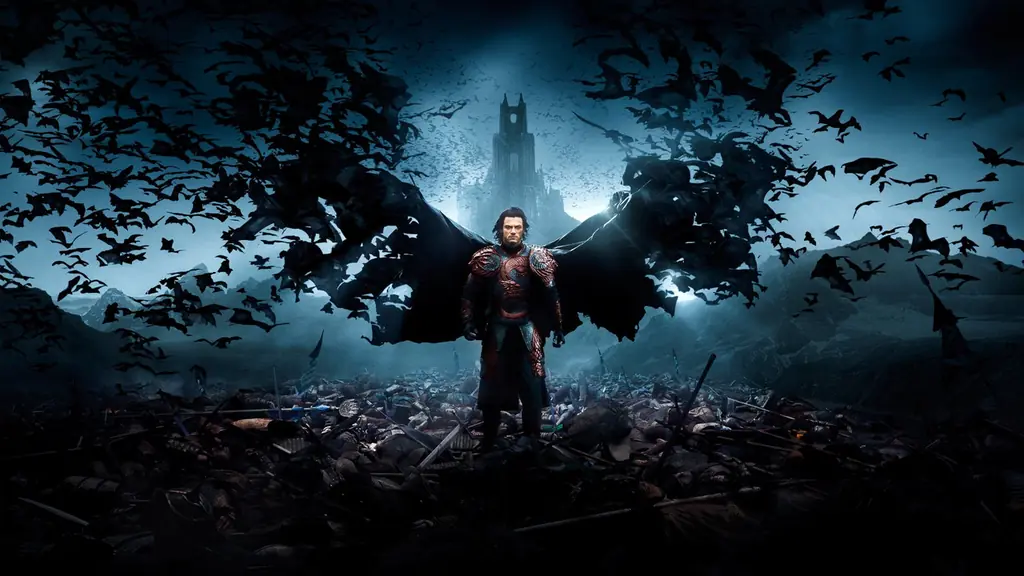
At its core, Dracula Untold hinges on Luke Evans' portrayal of Vlad. He embodies a hardcore yet surprisingly sympathetic family man, driven to save his kingdom and loved ones by embracing dark powers. Evans delivers a stoic performance that makes it easy to root for his tortured hero, especially when he unleashes his full vampire fury. The action sequences are where the film truly shines, showcasing Vlad's overwhelming power. Whether he's slaughtering an entire field of soldiers or transforming into a cloud of bats to dispatch foes, the visual spectacle is undeniable. However, this immense power often creates a narrative challenge, forcing the film to contrive situations where Vlad appears "stupid" to maintain any semblance of tension. On the flip side, Dominic Cooper's villainous turn is largely forgettable; his character is simply a "dick" that anyone could have played, failing to leave a lasting impression.
Cameos, Nostalgia & Narrative Stakes
The film's central premise – a man becoming Dracula to save his family – sets up a predictable journey. Knowing the ultimate fate of Count Dracula inevitably saps much of the tension from Vlad's three-day struggle against his vampiric curse. The narrative feels less like a deep exploration of a tortured soul and more like a vehicle for cool vampire action. There's a distinct lack of emotional depth; audiences are unlikely to feel the profound tragedy of Dracula's transformation. Instead, his powers exist primarily to entertain, delivering spectacle rather than a compelling emotional crux. The supporting characters, including Vlad's wife and child, serve mainly as plot devices, existing to motivate his transformation rather than contributing significant emotional weight.
Tone, Direction & Creative Freedom
Gary Shore's direction leans heavily into the "functionally fun" aspect. This isn't a film aiming for the gravitas of Bram Stoker's original tale or a profound character study. Instead, it's crafted for pure entertainment, especially for fans of vampire lore and action. It's a movie that knows what it is: a popcorn flick designed to deliver a good time without requiring deep thought or emotional investment. While it won't be hailed as a "cinematic masterpiece" or prompt viewers to evangelize it to all their friends, it successfully carved out a niche as a watchable, enjoyable vampire romp. For those seeking a vampire movie that surpasses the likes of Dracula 2000, but isn't a faithful adaptation of classic literature, Dracula Untold hits the mark.
The Final Verdict
Ultimately, Dracula Untold is a pretty good time. It's not special, it's not groundbreaking, and it's certainly predictable, but it delivers on its promise of vampire action and a compelling, if stoic, lead performance from Luke Evans. Approach it as a straightforward action-fantasy with a vampire twist, and you'll find yourself entertained. Just don't expect a profound emotional journey or a faithful retelling of classic lore.
What Worked
- Luke Evans delivers a compelling and stoic performance as Vlad.
- Visually impressive and entertaining action sequences.
- A fun, functional origin story for Dracula fans.
- Offers a more engaging experience than some other modern vampire films.
What Didn't Work
- The plot is highly predictable, reducing narrative tension.
- Lacks significant emotional depth or character development.
- Dracula's overwhelming power leads to contrived plot points.
- Supporting characters and the main villain are largely forgettable.