Introduction
Drive Angry, directed by Patrick Lussier, plunges audiences into a frenetic world of vengeance and supernatural chaos. Marketed as a high-octane action thriller, the film delivers on its promise of relentless, over-the-top spectacle, embracing its B-movie sensibilities with an almost gleeful abandon. It's a cinematic experience that doesn't shy away from its outlandish premise, inviting viewers to suspend disbelief and simply enjoy the ride. The narrative centers on a man who has literally escaped from hell to pursue those who wronged him, setting the stage for a journey filled with explosive confrontations and darkly comedic moments.
The Plot & Execution
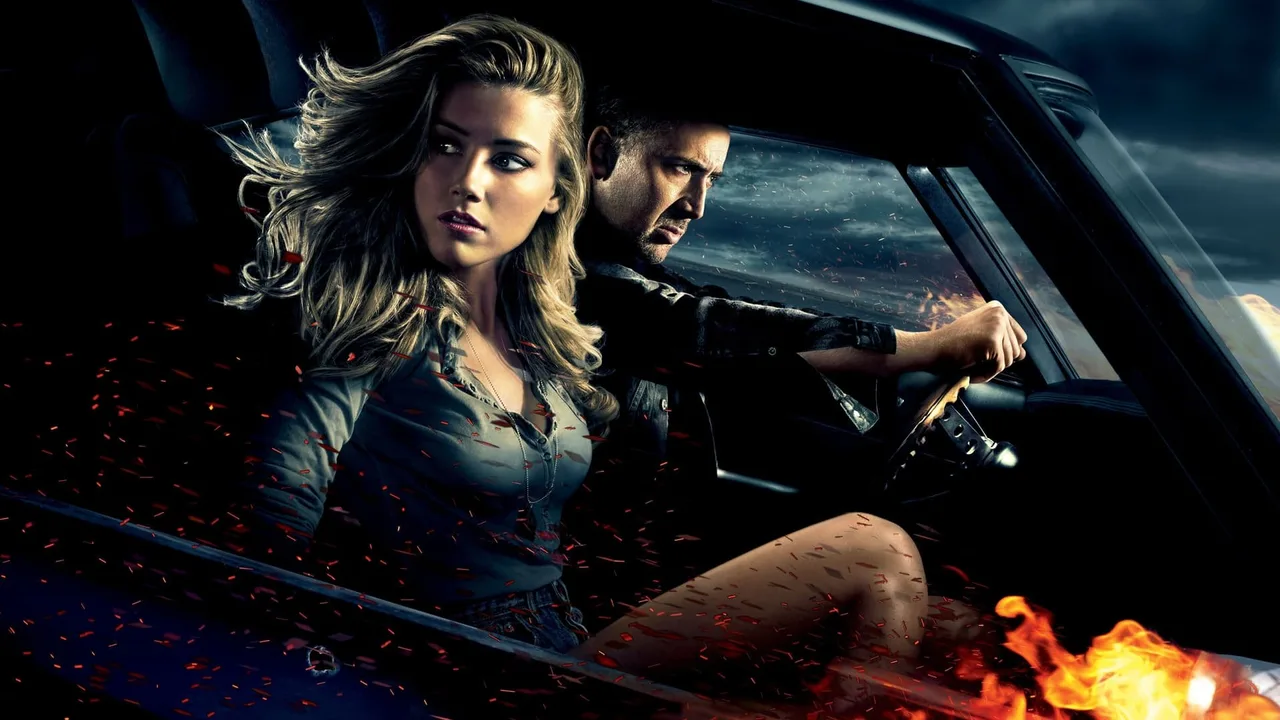
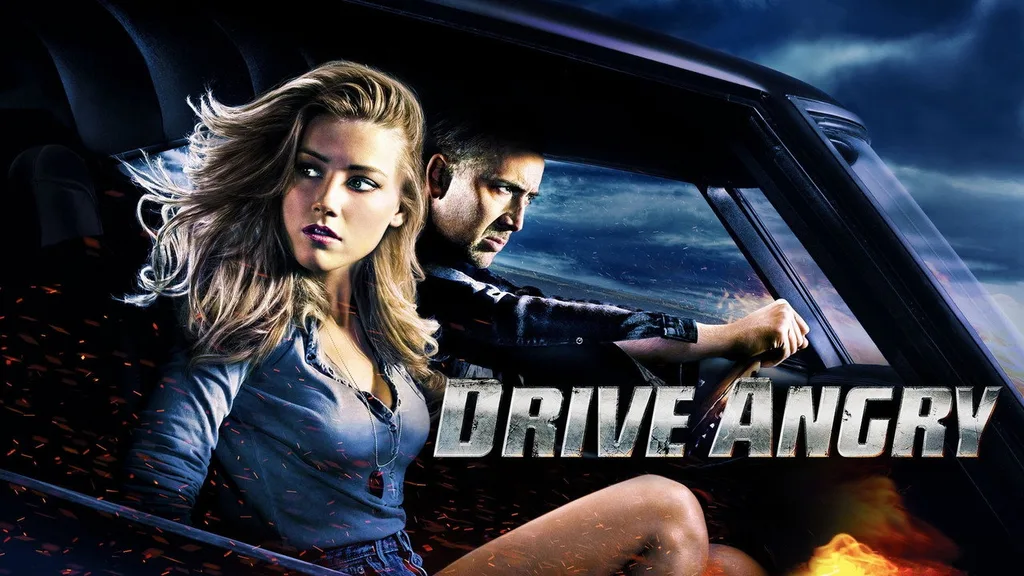
The storyline of Drive Angry follows John Milton, portrayed by Nicolas Cage, a hardened individual who breaks out of hell to prevent a satanic cult from sacrificing his infant granddaughter. His relentless pursuit leads him across the American South, where he encounters Piper, played by Amber Heard, a feisty waitress who becomes his reluctant accomplice. The film's plot is straightforward, serving primarily as a vehicle for its extravagant action sequences and supernatural elements. Physics, as understood in the real world, are largely disregarded, allowing for car chases and explosions that defy conventional logic. Vehicles flip and soar with improbable grace, contributing to the film's distinct, exaggerated aesthetic. This deliberate embrace of the absurd is a defining characteristic, positioning the film closer to exploitation cinema, akin to titles like "Machete," but with a unique "hell exploitation" twist. While the core premise is engaging, the pacing occasionally falters, particularly in the middle section, which could have benefited from tighter editing to maintain its initial momentum. Despite these minor lulls, the film largely succeeds in delivering a consistent tone of chaotic fun.
Performances & Characters
Nicolas Cage's portrayal of John Milton is a highlight, leaning into the actor's distinctive style with a self-aware performance that acknowledges the film's inherent absurdity. His character is a man of few words but intense conviction, driven by a singular purpose. While the script doesn't delve deeply into Milton's backstory, Cage's presence anchors the film, making his outlandish quest believable within the movie's own heightened reality. However, the true standout performance comes from William Fichtner as The Accountant, a supernatural enforcer dispatched from hell to retrieve Milton. Fichtner imbues The Accountant with a captivating blend of menace, dry wit, and an almost casual disregard for earthly rules. His character exudes an undeniable coolness, stealing every scene he's in and providing much of the film's comedic relief and dramatic tension. The dynamic between Cage and Fichtner is a significant strength, elevating the material beyond typical B-movie fare. Amber Heard as Piper provides a strong, independent female presence, holding her own amidst the supernatural mayhem, though her character's attraction to Milton remains somewhat underdeveloped.
Direction & Technical Aspects
Patrick Lussier's direction establishes a clear, unapologetic tone for Drive Angry. The film is a visual assault, characterized by its vibrant color palette and kinetic action. However, its use of 3D technology is notably problematic. Despite being shot natively in 3D, the visual experience is often jarring and uncomfortable, detracting from the overall immersion rather than enhancing it. This technical misstep is a significant drawback, making the film a challenging watch for those sensitive to poorly implemented stereoscopic effects. Beyond the 3D, the film's aesthetic embraces a gritty, grindhouse-inspired look, fitting for its exploitation leanings. The soundtrack complements the action, contributing to the film's high-energy atmosphere. While the visual effects are often over-the-top, they align with the film's commitment to its exaggerated reality, ensuring that the spectacle remains consistently entertaining, even if not always polished.

The Verdict
Drive Angry is a film that knows exactly what it is: a wild, unpretentious B-movie designed for maximum entertainment. It's not a film to be taken seriously, but rather one to be enjoyed for its sheer audacity and commitment to its chaotic premise. While it suffers from a poorly executed 3D presentation and some minor pacing issues, these flaws are largely overshadowed by its strengths. The film benefits immensely from William Fichtner's magnetic performance and Nicolas Cage's self-aware turn, both of whom fully embrace the material. For audiences who appreciate genre films that prioritize fun and spectacle over realism and intricate plotting, Drive Angry offers a genuinely good time. It's a movie best experienced with an open mind, ready to revel in its unique blend of fantasy, action, and dark humor. Ultimately, it delivers on its promise of a "fun" experience, especially for those who enjoy the more outlandish corners of action cinema.
What Worked
- Engaging and charismatic performance by William Fichtner
- Self-aware and entertaining performance by Nicolas Cage
- Over-the-top, chaotic action sequences
- Embraces its B-movie aesthetic with confidence
- Delivers a fun and unpretentious viewing experience
What Didn't Work
- Poorly implemented 3D technology that can be jarring
- Pacing issues, particularly in the middle section
- Lack of deep character development for the protagonist
- Physics-defying action may not appeal to all viewers