Introduction
The horror genre continues its robust run, and 2026 ushers in another chapter in a beloved franchise with Evil Dead Burn. Directed by Sébastien Vaniček, this latest installment promises to deliver the signature blend of visceral gore and dark humor that fans have come to expect. The film plunges audiences into a familiar yet terrifying scenario: a family grappling with tragedy finds themselves isolated in a dilapidated house, setting the stage for an inevitable confrontation with the demonic entities known as Deadites. While the premise might sound conventional for the series, the execution aims to carve its own niche within the established lore, leaning heavily into the comedic potential inherent in its gruesome narrative.
The Plot & Execution
At its core, Evil Dead Burn adheres to the foundational "Evil Dead" formula. A family, already reeling from an unspecified tragedy, gathers in what is described as a "rickety" and isolated dwelling. This setting, almost a character in itself, immediately signals impending doom, creating an atmosphere ripe for the supernatural torment that soon unfolds. The film quickly transitions into the relentless assault by the Deadites, who become the primary antagonists, terrorizing the inhabitants with their signature blend of malevolence and twisted glee. The narrative doesn't stray far from the series' established tropes, focusing on the escalating horror and the characters' desperate struggle for survival against an unyielding evil. However, the film attempts to infuse this familiar structure with a modern sensibility, exploring themes of "toxic families" and generational patterns, suggesting that the horror might not just be external but also deeply rooted within the familial dynamics. While this thematic exploration is present, its impact is somewhat diluted by the film's overall focus on spectacle and humor, occasionally feeling like an underdeveloped subplot rather than a fully integrated element of the terror.
Performances & Characters
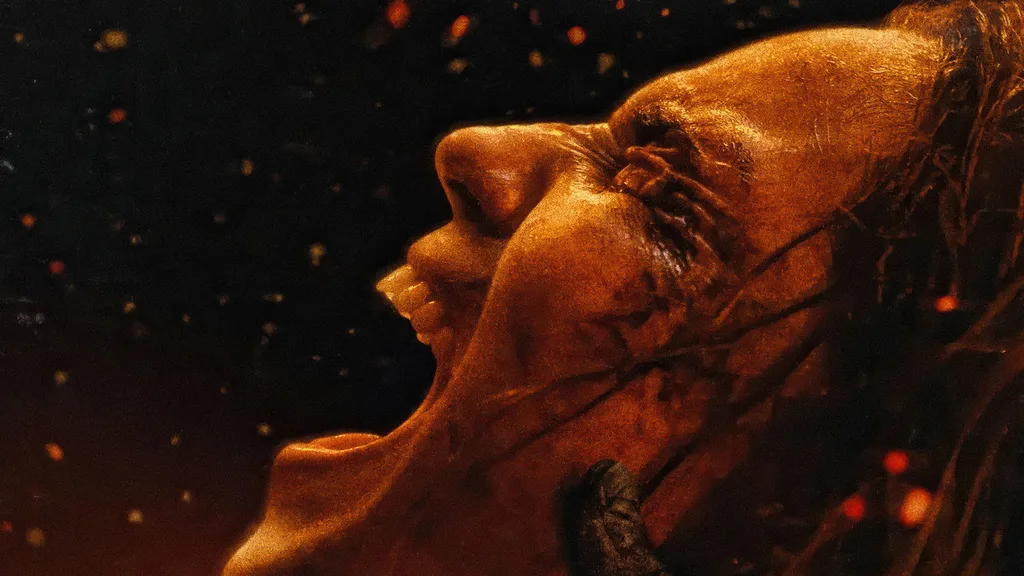
In a franchise known for its iconic protagonists, Evil Dead Burn takes a somewhat unconventional approach by making its demonic antagonists the undeniable stars of the show. The Deadites in this film are portrayed with an infectious, almost gleeful malevolence that sets them apart from typical cinematic demons. Their rotten-to-the-core nature is not just terrifying but also strangely entertaining, as they revel in their depravity with unsettling smiles. This portrayal ensures that the Deadites are not merely a collection of monsters but dynamic, engaging characters who drive much of the film's energy and humor. Conversely, the human characters, while serving as the focal point of the Deadites' torment, do not offer any singular standout performances. The ensemble cast, including actors like Souheila Yacoub, Tandi Wright, and Hunter Doohan, delivers competent portrayals, but the film struggles to make their individual plights resonate deeply with the audience. The critique suggests that these characters primarily serve to "pad the runtime," failing to elicit genuine care or investment from the viewer. This imbalance means that while the horror is effective, the emotional stakes often feel diminished, as the audience is more captivated by the antics of the Deadites than the survival of the protagonists.
Direction & Technical Aspects
Sébastien Vaniček's direction in Evil Dead Burn is a notable highlight, particularly in its inventive camera work. The film features several moments where the cinematography elevates otherwise standard scenes, demonstrating a creative flair that feels distinctly "Evil Dead" without resorting to mere imitation of past directors. The camera movements are dynamic and contribute significantly to the film's unsettling atmosphere and comedic timing, showcasing a confident directorial vision. The film also excels in its commitment to gore, delivering plenty of blood and impactful hits that satisfy the franchise's reputation for visceral horror. However, where the film truly shines, and perhaps over-relies, is in its comedic elements. It leans heavily into the "Evil Dead" brand of humor, arguably more so than any installment since Army of Darkness. The movie is replete with jokes, punchlines, and well-timed pauses designed for audience laughter, effectively functioning as a horror-comedy. This tonal balance is generally well-maintained, ensuring that the gruesome moments are often punctuated by dark levity.
Despite these strengths, the film suffers significantly from pacing issues. The runtime, clocking in at approximately 20 minutes too long, leads to a noticeable drag, particularly in the middle section. The lack of compelling human characters exacerbates this problem, as extended scenes with them feel like filler rather than essential narrative progression. This prolonged duration detracts from the overall impact, leaving the audience feeling fatigued rather than wanting more. The film's reliance on a familiar premise—a group tormented by Deadites in an isolated location—also raises questions about the franchise's long-term sustainability, hinting at a potential "Final Destination" effect where repetition might eventually diminish its novelty. While the film embraces its gross-out horror, sometimes to the point of self-awareness, the extended runtime ultimately undermines its otherwise strong technical execution and comedic prowess.
The Verdict
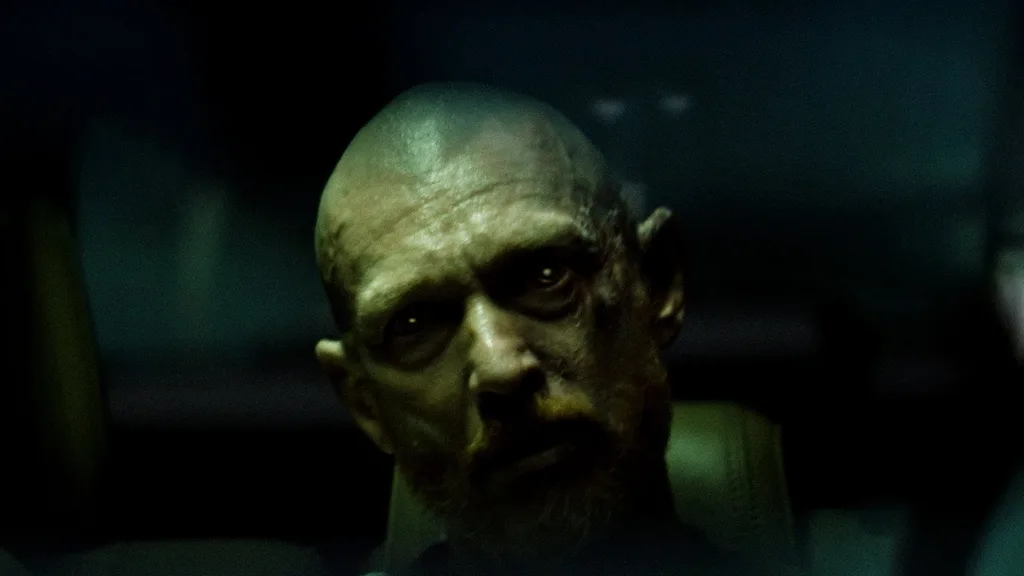
Evil Dead Burn is a film that will undoubtedly appeal to the franchise's dedicated fanbase, offering a generous helping of gore, inventive camera work, and a strong emphasis on the series' unique brand of horror-comedy. The Deadites, in particular, are a highlight, delivering performances that are both terrifying and hilariously depraved. Director Sébastien Vaniček demonstrates a clear understanding of the franchise's aesthetic, crafting visually engaging sequences that honor its legacy without feeling derivative. However, the film is not without its significant drawbacks. Its extended runtime and noticeable pacing issues, coupled with a lack of compelling human characters, prevent it from reaching its full potential. The narrative often feels stretched, and the emotional investment in the protagonists is minimal, making the journey feel longer than necessary. While the film successfully delivers on its promise of blood-soaked laughs, it struggles to maintain a consistent level of engagement throughout its duration. For those who appreciate the "Evil Dead" formula and are willing to overlook its structural flaws, this installment offers a fun, albeit somewhat bloated, ride. Newcomers, however, might find its charms less potent without the established affection for the series' quirks. Ultimately, Evil Dead Burn is a mixed bag that, despite its enjoyable elements, lands as a slightly lesser entry in a beloved horror canon, proving that even the most entertaining Deadites can't fully compensate for a dragging plot.
What Worked
- Deadites are exceptionally entertaining and charismatic antagonists
- Strong emphasis on dark humor, reminiscent of "Army of Darkness"
- Inventive and dynamic camera work elevates many scenes
- Delivers plenty of visceral gore and impactful horror moments
What Didn't Work
- Significant pacing issues make the film feel too long
- Human characters are underdeveloped and fail to engage the audience
- Repetitive premise might feel stale to some viewers
- Emotional stakes are low due to unlikable or uninteresting protagonists