Introduction
Source Code, directed by Duncan Jones, stands as a compelling entry in the science fiction thriller genre, offering audiences a unique and thought-provoking premise. Released in 2011, the film plunges viewers into a high-stakes scenario where a soldier is repeatedly sent into the last eight minutes of a victim's life to prevent a catastrophic terrorist attack. This innovative concept, reminiscent of a high-stakes, real-time puzzle, immediately hooks the audience, promising a journey filled with suspense, mystery, and unexpected emotional resonance. The film manages to take a seemingly repetitive structure and transform it into a dynamic and constantly evolving narrative, a testament to its clever writing and execution.
The Plot & Execution
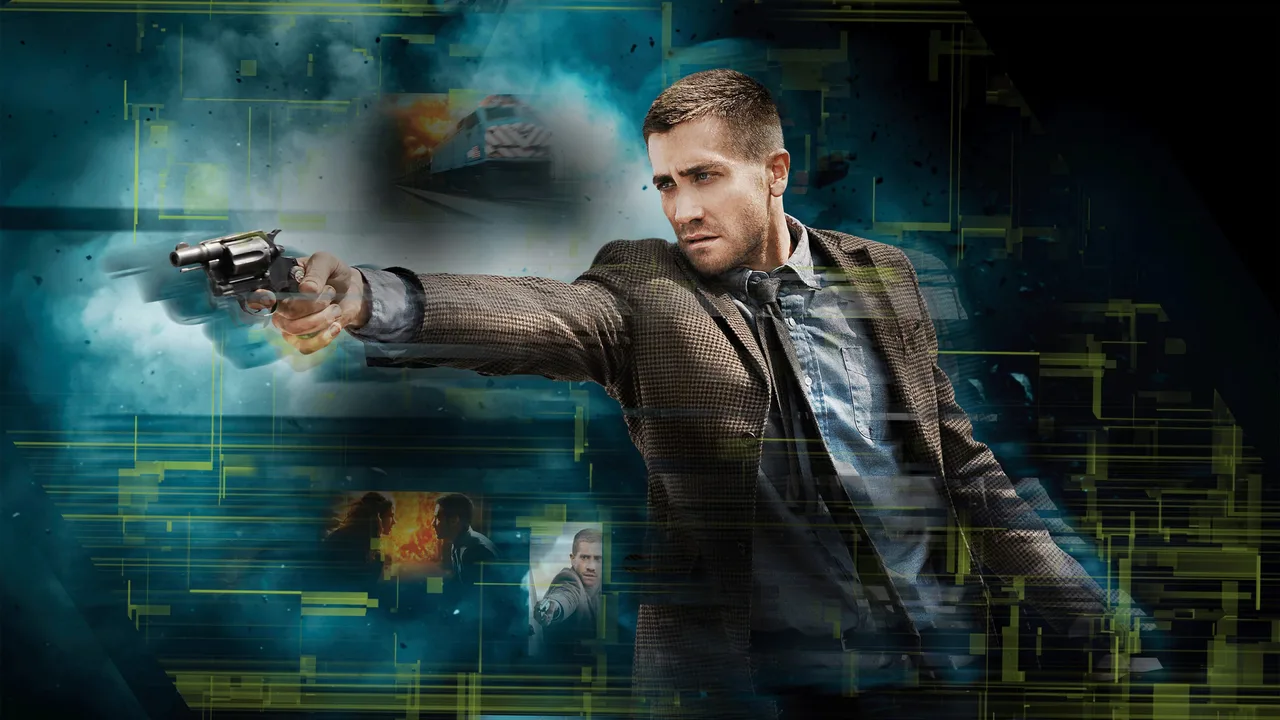
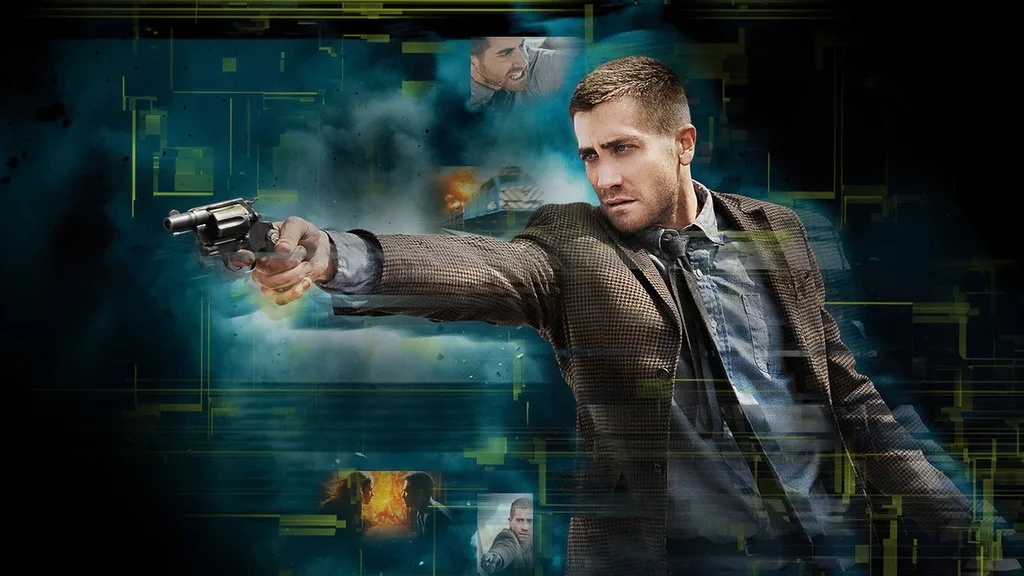
At its core, Source Code revolves around Captain Colter Stevens, portrayed by Jake Gyllenhaal, who awakens repeatedly in the body of an unknown man on a commuter train, just moments before it explodes. His mission, orchestrated by a clandestine government operation, is to identify the bomber within these fleeting eight minutes to avert a larger, impending disaster. The narrative masterfully employs a "trial and error" approach, as Stevens relives the same segment of time, gathering new clues and attempting different strategies with each iteration. This repetitive structure, which could easily become monotonous, is instead a source of constant tension and discovery. The film cleverly uses the brief interludes between these "missions" for Stevens to debrief his handlers, adding layers to the mystery and allowing for character development outside the confines of the train. While dealing with complex temporal mechanics, the film largely succeeds in maintaining internal consistency, addressing potential paradoxes with surprising clarity by its conclusion. Any minor logical inconsistencies are easily overshadowed by the sheer entertainment and intrigue generated by the unfolding events, ensuring the audience remains fully invested in Stevens' desperate quest.
Performances & Characters
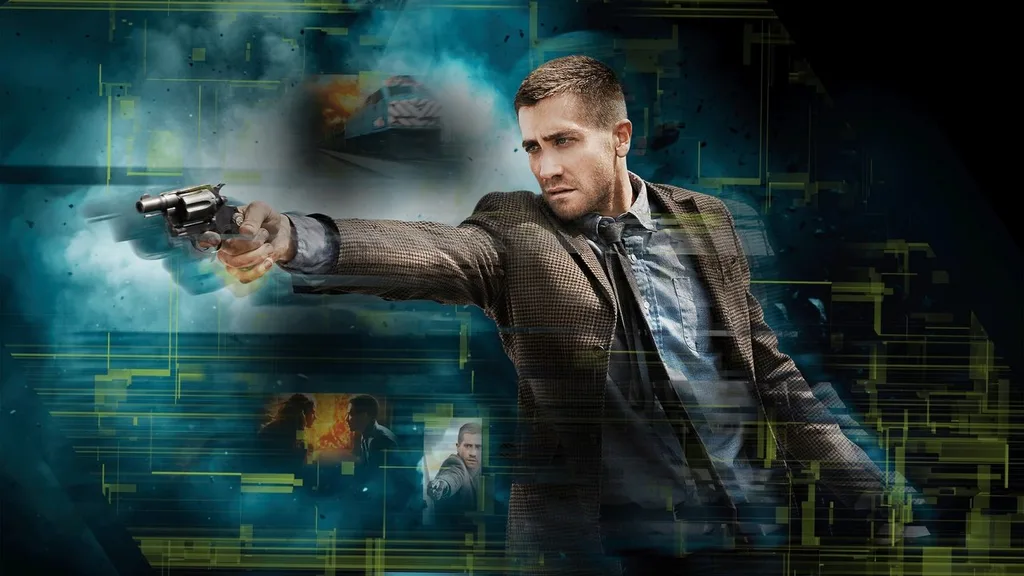
Central to the film's success is the exceptional performance of Jake Gyllenhaal as Captain Colter Stevens. Gyllenhaal delivers a nuanced portrayal of a man grappling with a disorienting reality, conveying both his character's military resolve and his growing emotional turmoil. His performance was widely regarded as a significant highlight, reminding audiences of his considerable range and dramatic depth. Alongside Gyllenhaal, Michelle Monaghan shines as Christina Warren, the woman Stevens repeatedly encounters on the train. Her character provides a crucial human connection amidst the chaos, and Monaghan imbues her with warmth and vulnerability. Vera Farmiga portrays Captain Colleen Goodwin, Stevens' handler, with a compelling blend of authority and empathy, navigating the ethical complexities of the "Source Code" program. Rounding out the key cast is Jeffrey Wright as Dr. Rutledge, the enigmatic creator of the program, whose detached demeanor masks a deeper, perhaps morally ambiguous, agenda. The chemistry among the principal actors is palpable, particularly between Gyllenhaal and Monaghan, which adds a poignant layer to the otherwise action-driven plot, elevating the film beyond a mere sci-fi procedural.
Direction & Technical Aspects
Duncan Jones' direction in Source Code is precise and effective, demonstrating a keen understanding of how to build suspense and maintain narrative momentum within a confined and repetitive setting. Jones expertly crafts a tense atmosphere, utilizing tight pacing and a focused visual style that keeps the audience on the edge of their seats. The film's ability to make the same eight-minute sequence feel fresh and urgent with each loop is a testament to his directorial skill. The cinematography effectively captures the claustrophobic intensity of the train environment while also hinting at the broader, more abstract nature of the "Source Code" technology. The sound design and score further enhance the film's thriller elements, punctuating moments of discovery and escalating the sense of urgency. Jones ensures that the film's intellectual puzzles are balanced with genuine emotional stakes, preventing the high-concept premise from becoming cold or purely academic. The intrigue is consistently high, and the narrative's twists and turns are genuinely unpredictable, a significant achievement in a genre often prone to formula.
The Verdict
Source Code is a remarkably engaging and emotionally resonant science fiction thriller that transcends its high-concept premise. Its ability to maintain suspense and deliver a compelling narrative despite its repetitive structure is a testament to its intelligent script, strong direction by Duncan Jones, and outstanding performances, particularly from Jake Gyllenhaal. The film successfully navigates the inherent complexities of time-loop narratives, offering a satisfying resolution that is both thought-provoking and deeply moving. It is a film that not only entertains with its thrilling mystery but also resonates on an emotional level, leaving a lasting impression. For those seeking a smart, well-crafted, and genuinely impactful cinematic experience, Source Code comes highly recommended as a standout entry in its genre, proving that even within an eight-minute loop, profound stories can unfold.
What Worked
- Exceptional acting, particularly from Jake Gyllenhaal
- Ingenious and engaging premise with a unique time-loop mechanic
- Successfully handles complex time-travel concepts with few plot holes
- Maintains high intrigue and keeps the audience guessing throughout
- Delivers significant emotional depth and impact
What Didn't Work
- Some minor, lingering logical questions for very scrutinizing viewers
- The repetitive nature of the 8-minute loop might not appeal to all audiences