
Introduction
The cinematic landscape occasionally delivers a double dose of inspiration, and Eddie the Eagle arrives as another uplifting Olympic tale. This film dives headfirst into the improbable true story of Eddie Edwards, a young man whose Olympic dreams knew no bounds, even if his athletic prowess initially did. From summer aspirations to winter slopes, and finally to the perilous ski jump, Eddie's journey is a testament to sheer, unadulterated will.
The Lead Dynamic & The Action
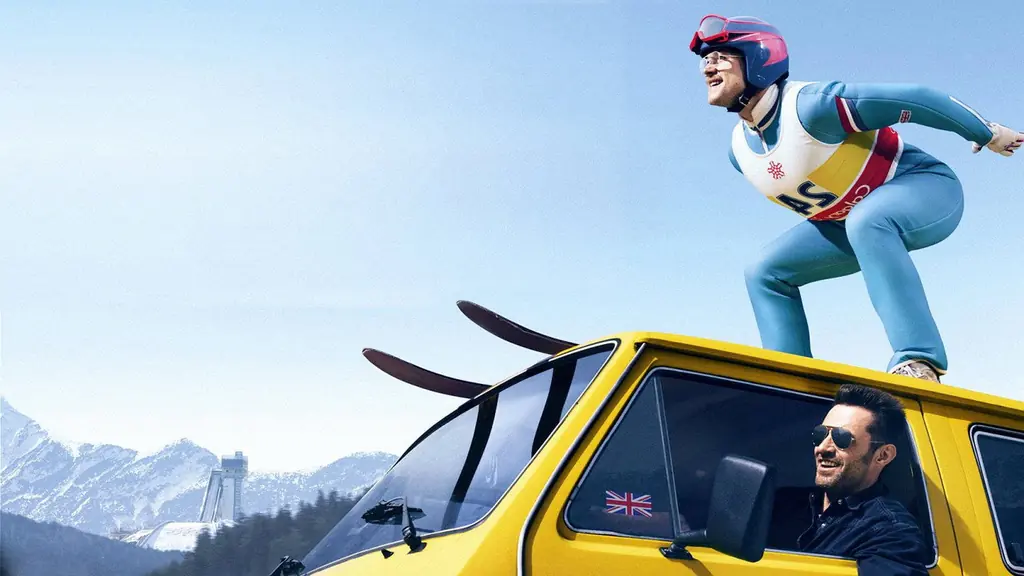
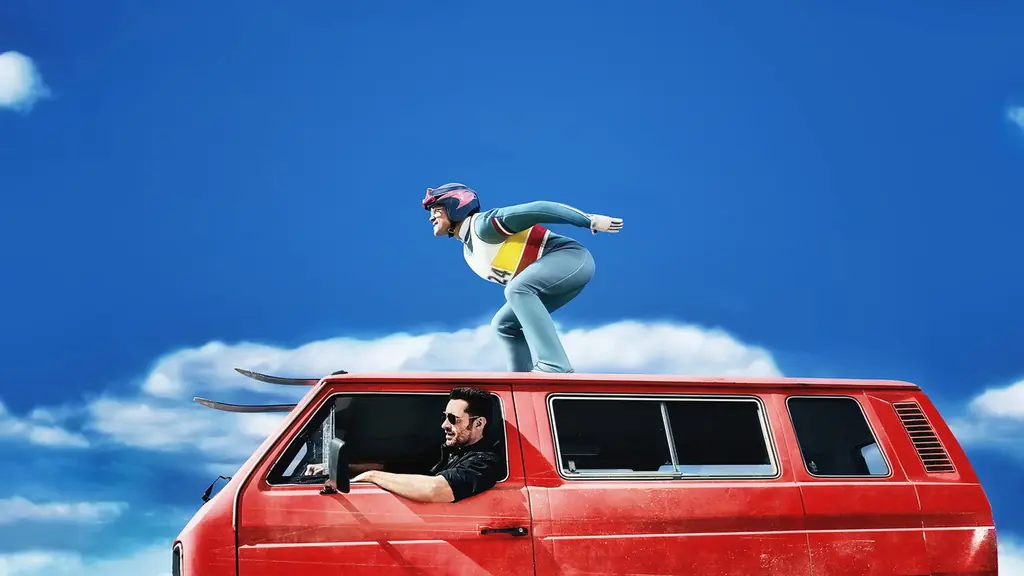
At its heart, Eddie the Eagle is a spiritual cousin to "Cool Runnings," albeit with a singular focus on one man's audacious quest. The film introduces us to Eddie, portrayed by Taron Egerton, whose earnestness is palpable. Guiding him through the treacherous world of ski jumping is a disgraced former athlete, played with gruff charm by Hugh Jackman. Their dynamic forms the emotional core, a classic mentor-mentee arc where redemption is sought on both sides. While Egerton delivers a fine performance, some might find his physical portrayal of the real Eddie Edwards a curious casting choice. The film, however, thrives on the infectious optimism of its lead, making the audience genuinely root for his every attempt, stumble, and eventual flight.
Cameos, Nostalgia & Narrative Stakes
Eddie the Eagle openly embraces its formulaic structure, leaning into the universally appealing narrative of the underdog. It's a story that champions the human spirit, emphasizing that the true victory lies not in winning, but in the relentless pursuit of one's dreams. This theme resonates deeply, tapping into our collective desire to see the impossible achieved through sheer grit. A delightful nod to its spiritual predecessor, a subtle mention of the Jamaican bobsled team, serves as a charming Easter egg for eagle-eyed viewers. The film understands its audience's inherent draw to tales of hopeless optimism, delivering a narrative that, while predictable, is undeniably effective in its emotional impact.
Tone, Direction & Creative Freedom
Under the direction of Dexter Fletcher, Eddie the Eagle maintains a consistently feel-good tone. It's a movie that celebrates the act of trying, of picking oneself up after every fall, and of never giving up on a dream, no matter how outlandish. The pacing is steady, allowing the audience to connect with Eddie's struggles and triumphs. While the film doesn't stray far from the established tropes of inspirational sports dramas, its sincerity and the strong performances, particularly from Hugh Jackman, elevate the material. It's a film that leaves a lasting impression of warmth and encouragement, proving that sometimes, a straightforward, heartfelt story is exactly what the doctor ordered.
The Final Verdict
Eddie the Eagle is a genuinely good time, a cinematic experience that requires no artificial enhancements to enjoy. It's the kind of movie that sends you out with a smile, reminding you of the simple joy found in watching someone chase their impossible dream. For those who appreciate films like "Cool Runnings" or "Iron Will," this underdog story will undoubtedly hit all the right notes. It's a testament to the power of perseverance, wrapped in an entertaining package that champions the spirit of never giving up.
What Worked
- A genuinely heartwarming underdog story
- [[person:6968|Hugh Jackman]]'s strong performance as the coach
- Celebrates perseverance and the human spirit
- Leaves audiences with a smile
- Enjoyable for fans of inspirational sports dramas
What Didn't Work
- Highly formulaic and predictable narrative
- [[person:1303037|Taron Egerton]]'s physical resemblance to the real Eddie is questionable
- Relies heavily on the "it's not whether you win or lose" trope
- Doesn't break new ground in the sports biopic genre



