Introduction
For decades, action cinema enthusiasts dreamed of a true cinematic pairing between two titans: Sylvester Stallone and Arnold Schwarzenegger. While they'd shared fleeting moments in The Expendables franchise, Escape Plan promised to finally deliver the full-throttle team-up fans craved. The concept alone was enough to generate significant buzz: Stallone, the master of prison breaks, finds himself trapped in an inescapable facility, only to cross paths with Schwarzenegger. The stage was set for an explosive, no-holds-barred escape.
The Lead Dynamic & The Action
The undeniable draw of Escape Plan is seeing Sylvester Stallone and Arnold Schwarzenegger together, front and center. For those who grew up with their films, this pairing is a nostalgic trip, a long-awaited wish granted, especially after their brief appearances in The Expendables. Here, they are the undisputed focus, and their combined presence is the film's primary selling point. The film opens strong, showcasing Stallone's character, Ray Breslin, in a more grounded, believable maximum-security prison break that immediately hooks the audience. It’s cool, it’s clever, and it sets a promising tone, demonstrating Breslin's unique skills as an escape artist. However, the film quickly pivots to a fantastical, almost comic-book-like prison where the action, while present, feels less impactful due to the sheer absurdity of the setting. The focus shifts from gritty realism to a more outlandish spectacle, which, for some, might dilute the thrill of the escape and the intellectual challenge Breslin is supposed to face. The reviewer notes a distinct lack of tension in the actual planning and execution of the escape, suggesting that the intellectual cat-and-mouse game with the warden never truly materializes.
Cameos, Nostalgia & Narrative Stakes
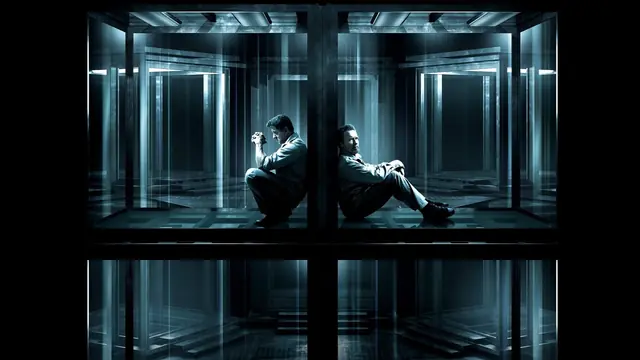
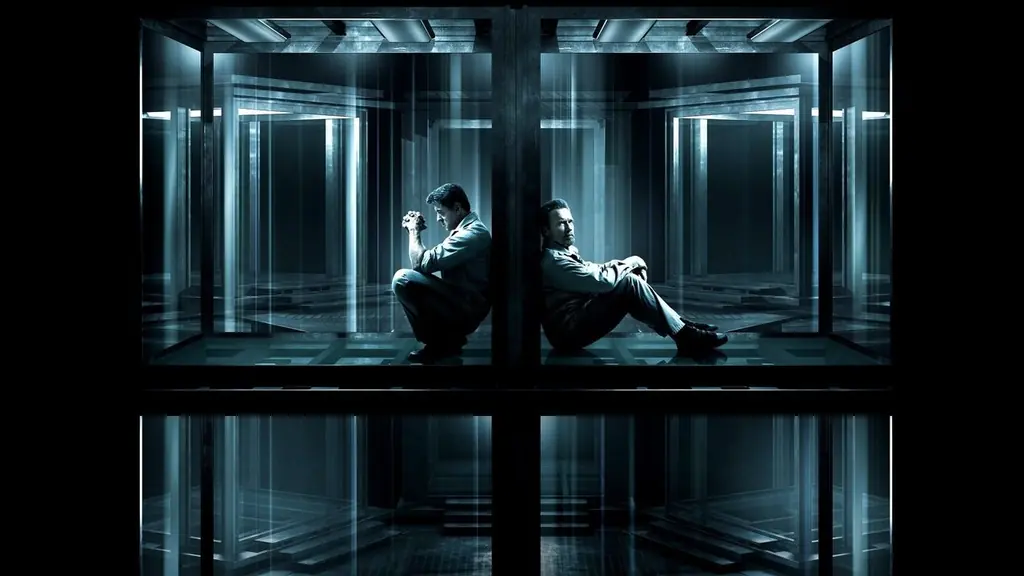
Beyond the star power, Escape Plan struggles to maintain genuine narrative tension. The core concept of the prison itself becomes its biggest hurdle. Gone are the days of gritty, believable institutions; here, we're presented with a "crazy comic book cartoon fantasy prison" featuring glass boxes and magnetic boots. It’s a setting so far removed from reality that it’s difficult to invest in the stakes, making the escape feel less like a desperate struggle and more like a video game level. The guards, clad in ominous black masks, feel more like caricatures than genuine threats, further emphasizing the film's departure from any semblance of realism.
Jim Caviezel steps into the role of the eccentric warden, a character designed to be an over-the-top villain. While his performance is certainly memorable for its sheer audacity, the character often feels like he’s eccentric purely for the sake of it, lacking the nuanced menace of truly great antagonists. He's portrayed as a "douchebag warden" whose quirks are more annoying than intimidating. The plot attempts to weave in twists and turns, but these often feel inconsequential, wrapping up so quickly that their impact is lost. The reviewer points out that these supposed clever narrative devices don't generate any real care or concern from the audience, making their rapid resolution feel pointless. The film relies heavily on the gimmick of its leading men, and without that, it risks becoming just another B-grade prison break movie with an unbelievable premise and a forgettable plot.
Tone, Direction & Creative Freedom
Mikael Håfström directs Escape Plan with a clear vision for a high-concept action thriller, but the tone often veers into the absurd. The decision to embrace a fantastical prison environment, rather than a more grounded one, dictates much of the film's feel. While this allows for some visually distinct moments, it ultimately undermines the sense of peril and intellectual challenge that a prison break film thrives on. The film feels like it was given the freedom to "go wild" with its concepts, but perhaps too wild, sacrificing believability for spectacle. The pacing, especially towards the end, feels rushed, leaving little room for the audience to fully process the supposed cleverness of the escape or the resolution of its various subplots.

The Final Verdict
Escape Plan is a film that delivers on its core promise: putting Sylvester Stallone and Arnold Schwarzenegger in a movie together. For many, that alone will be enough to warrant a watch. The initial setup is intriguing, and the sheer presence of these action legends provides a certain undeniable charm. However, once you look past the star power, the film reveals its flaws: an utterly unbelievable prison, a cartoonish villain, and a plot that tries too hard to be clever without earning its twists. It’s an "okay" movie, perhaps best enjoyed with a group of friends and a relaxed attitude. If you're looking for a serious, tension-filled prison break, you might be better off revisiting classics. But if you're in the mood for some nostalgic action fun with two of the biggest names in the genre, Escape Plan offers just enough to pass the time.
What Worked
- Long-awaited, full-on pairing of Stallone and Schwarzenegger.
- Engaging opening sequence with a realistic prison break.
- Jim Caviezel's memorable, over-the-top villain performance.
- Nostalgic appeal for fans of 80s/90s action stars.
What Didn't Work
- Unbelievable, cartoonish "fantasy prison" concept.
- Lack of genuine tension in the escape plan.
- Warden character is eccentric to the point of absurdity.
- Plot twists feel inconsequential and rushed.
- Ultimately a B-grade film without the star gimmick.



