
Introduction
Anticipation for Eternals ran high, promising a departure from the established Marvel Cinematic Universe formula. Many viewers, including this critic, entered the cinema with a blank slate, knowing little about these deep-cut comic characters. The premise introduced an ancient race of demigods, the Eternals, who have shaped human civilization and mythology for millennia, now tasked with preventing a catastrophic event. The buzz suggested something "different," a more contemplative MCU entry.
The Lead Dynamic & The Action
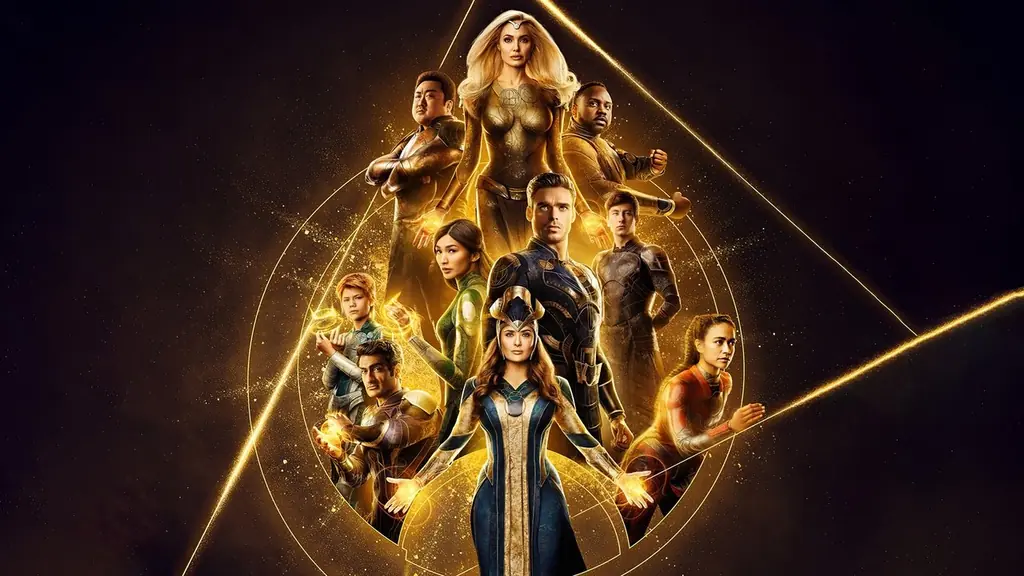
At its core, Eternals relies heavily on its ensemble, with Gemma Chan as the lead, carrying much of the film's emotional weight. Her performance grounds the narrative, offering a relatable and heartfelt anchor amidst the cosmic scale. The film also finds its comedic stride through the unexpected pairing of Kumail Nanjiani and Brian Tyree Henry. Nanjiani delivers consistent laughs with his flamboyant character and his ever-present assistant, while Henry offers a more subtle, appreciated brand of humor—a welcome change from typical MCU comedic beats. However, when the action kicks in, particularly during the climactic sequences, the CGI often feels jarring. While much of the film boasts a visually stunning, almost practical aesthetic, the heavy reliance on digital effects in the final showdowns stands out, leading to questions about the budget and execution.
Cameos, Nostalgia & Narrative Stakes
Despite its attempts to carve a unique path, Eternals frequently falls back on familiar MCU tropes. There are moments that feel directly lifted from previous installments, like a character performing a move reminiscent of Loki's signature tricks. While the film attempts to address profound moral dilemmas—such as the cosmic right to alter a planet's evolutionary trajectory—it often shies away from fully committing. Just as a high-concept philosophical discussion begins to take hold, the narrative seems to panic, quickly pivoting back to a "CGI dog monster" fight, reminding audiences that, yes, this is still an MCU movie. This push and pull between ambition and formulaic comfort creates a conflicting tone.
Tone, Direction & Creative Freedom
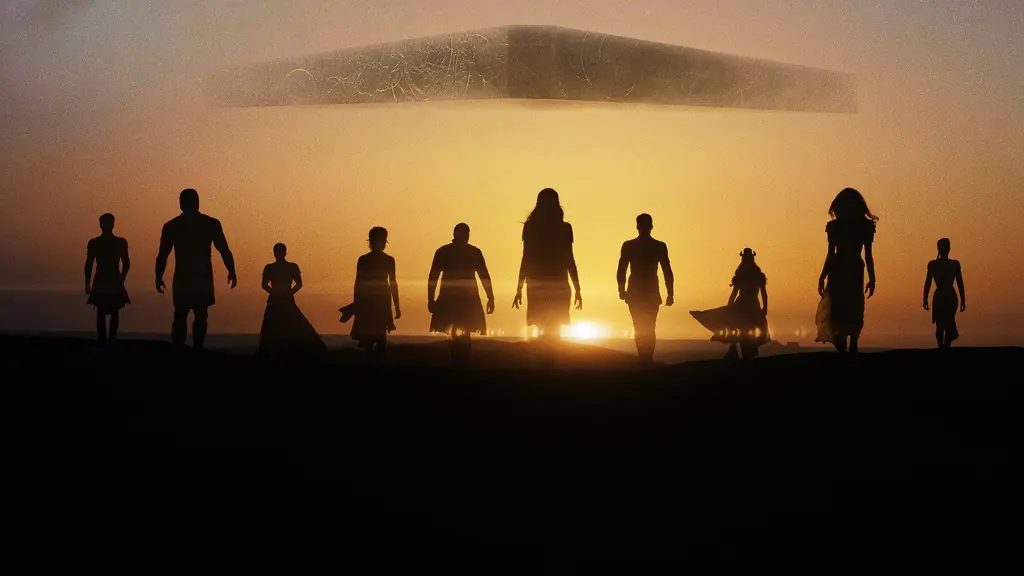
Chloé Zhao's direction attempts to infuse the film with a distinct visual and thematic identity. The slower, more contemplative moments, where the film delves into the Eternals' ancient history and their moral quandaries, are often its strongest. These sequences, reminiscent of more deliberate, thought-provoking cinema, are where the film truly shines and hints at the "masterpiece" it could have been. Yet, the movie struggles to maintain this unique tone, frequently retreating to the "MCU safe zone." It feels as though the filmmakers were hesitant to fully embrace their bold vision, resulting in a narrative that dabbles in high concepts but ultimately pulls its punches, opting for reliably entertaining over truly groundbreaking.
The Final Verdict
Eternals is undeniably entertaining, offering a compelling message about humanity's potential and the importance of faith in people. It presents an intriguing concept that, while not fully realized, still provides a solid viewing experience. The film is at its best when it dares to be different, exploring complex ideas and showcasing its unique characters. However, its reluctance to fully commit to its own distinct identity, often reverting to established MCU conventions, prevents it from reaching its full potential. It's a film that leaves you satisfied but also pondering what could have been if it had truly embraced its ambition.
What Worked
- Relatable and heartfelt lead performance by [[person:97576|Gemma Chan]].
- Strong comedic relief from [[person:466505|Kumail Nanjiani]] and [[person:226366|Brian Tyree Henry]].
- Attempts to explore high-concept philosophical and moral dilemmas.
- Offers a positive message about humanity and its potential.
- Reliably entertaining despite its flaws.
What Didn't Work
- Conflicting tone, often pulling back from ambitious ideas.
- CGI in action sequences sometimes feels jarring and stands out.
- Frequent reliance on familiar MCU tropes and "safe zone" storytelling.
- Missed opportunity to be a truly groundbreaking "masterpiece."



