Introduction
Everest plunges audiences into the harrowing true story of a fateful 1996 expedition to the world's highest peak. This isn't just another mountain-climbing flick; it's a visceral exploration of human limits against nature's unforgiving might. The film masterfully conveys the sheer danger of Mount Everest, a place where the human body is simply not designed to survive. It's a journey into the "death zone," where every breath is a struggle and time is a relentless enemy. Surprisingly, for some, this cinematic ordeal might just ignite a peculiar desire to conquer the very summit that nearly claims its characters.
The Lead Dynamic & The Action
The casting in Everest is a stroke of genius, defying typical disaster movie tropes. Rather than relying on one or two marquee names, the film assembles an impressive ensemble including Jason Clarke, Josh Brolin, and Jake Gyllenhaal. This strategic choice ensures that no single character feels inherently safe, keeping viewers on edge as the expedition faces increasingly dire circumstances. The uncertainty of who might survive adds a palpable layer of tension, making every perilous step feel genuinely high-stakes.
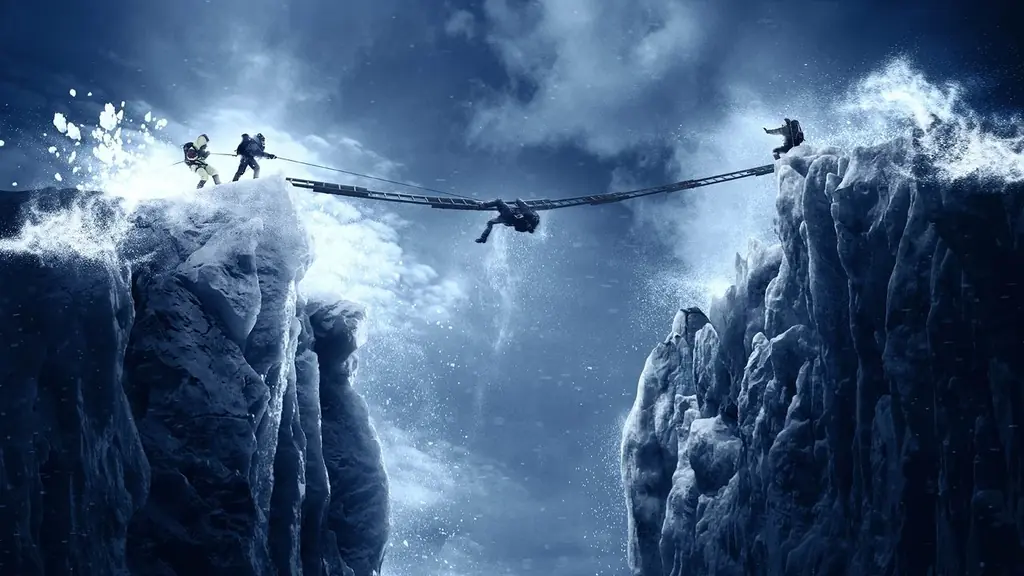
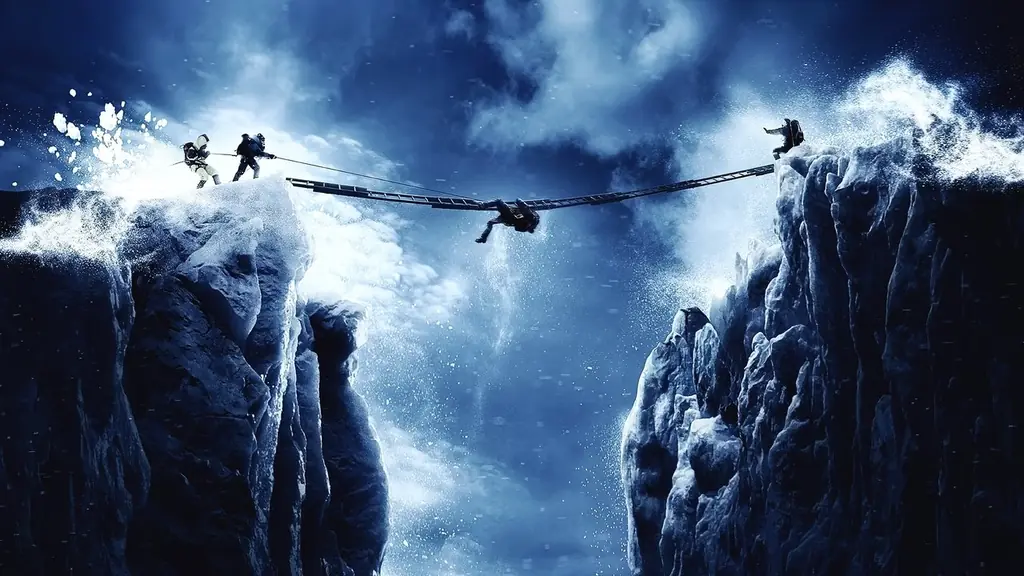
Beyond the star power, the film excels at being interestingly informative. It meticulously breaks down the physiological toll of extreme altitude, explaining the necessity of oxygen tanks and acclimatization. This isn't dry exposition; it's crucial context that enhances the understanding of the climbers' struggle, making the science of survival feel genuinely cool. The cinematography is nothing short of breathtaking, immersing the audience directly into the perilous ascent. Viewers will find themselves marveling at the clouds below, a stark reminder of the dizzying heights. Moments featuring rickety ladders spanning dark precipices are particularly effective, evoking a primal fear of the abyss.
Cameos, Nostalgia & Narrative Stakes
While not a film reliant on cameos in the traditional sense, the sheer number of recognizable faces in the cast creates its own unique dynamic. The narrative stakes are inherently high, given that it's a true story about life and death on the world's most dangerous mountain. The film doesn't shy away from the brutal realities of the expedition, portraying the "perfect storm" of personalities and weather conditions that led to disaster. The ensemble cast, which also includes Elizabeth Debicki, Keira Knightley, Sam Worthington, Robin Wright, and Emily Watson, ensures that the human drama feels expansive and multifaceted, rather than focusing on just one or two heroes.
Tone, Direction & Creative Freedom
Baltasar Kormákur's direction crafts an immersive experience, making audiences feel every icy gust and every strained breath. The musical score is a standout, perfectly complementing the epic scale and emotional weight of the journey. It evokes a sense of grandeur and tension, drawing comparisons to critically acclaimed soundtracks. However, the film isn't without its flaws. It suffers from noticeable pacing issues, with time occasionally fast-forwarding abruptly. These jarring transitions, particularly during crucial emotional moments, prevent some of the film's most impactful scenes from truly landing. The narrative can feel rushed in these instances, undermining the emotional resonance that such a tragic story deserves. Furthermore, the ending arrives quite suddenly, leaving some viewers feeling as though the story concludes too abruptly.
The Final Verdict
Everest is undeniably a grand spectacle, offering a thrilling and often terrifying glimpse into one of history's most infamous mountaineering disasters. It's a testament to human resilience and the unforgiving power of nature, brought to life by a strong ensemble cast and stunning visuals. While its pacing stumbles and abrupt conclusion detract from its overall impact, it remains a compelling watch for anyone seeking an immersive adventure from the comfort of their own home. It's a good time, no extreme altitude sickness required.
What Worked
- Immersive cinematography and visuals that put you on the mountain
- Strong ensemble cast creates genuine suspense about character fates
- Informative portrayal of the physiological challenges of high-altitude climbing
- Excellent musical score enhances the epic scale and tension
- A grand spectacle that brings a harrowing true story to life
What Didn't Work
- Significant pacing issues, with jarring time jumps
- Emotional moments often feel rushed and don't fully land
- The ending feels abrupt and cuts off suddenly
- Some narrative transitions are clunky