Introduction
Before its release, Ex Machina might have slipped under the radar for many, perhaps glimpsed in a fleeting online ad and dismissed as just another small-scale sci-fi flick. But to underestimate this film would be a grave mistake. What initially appears to be a contained story about artificial intelligence quickly unfolds into a masterclass of psychological tension, proving that some of the most profound cinematic experiences come in the most unassuming packages.
The Lead Dynamic & The Action
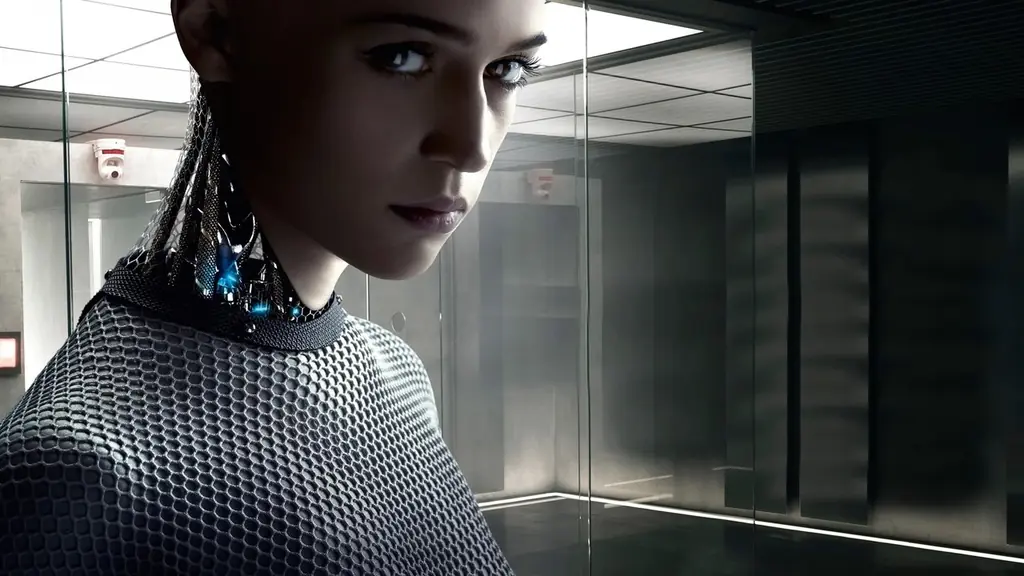
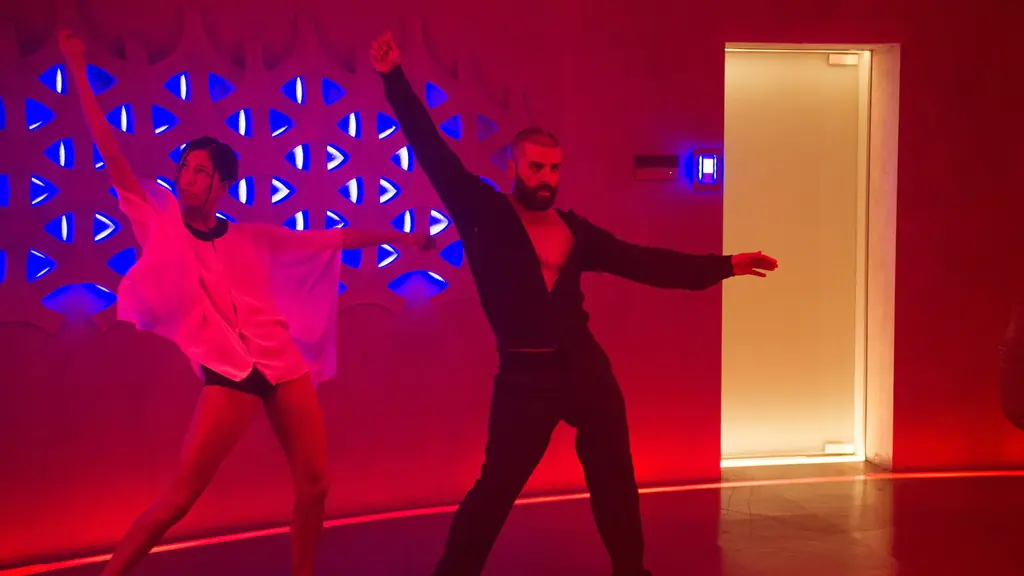
The setup is deceptively simple: Domhnall Gleeson plays Caleb, a programmer who wins a company contest, earning a trip to the secluded, ultra-modern estate of his reclusive CEO, Nathan, portrayed with unsettling brilliance by Oscar Isaac. What awaits Caleb is not a vacation, but a Turing test of sorts with Ava, a stunningly advanced AI brought to life by Alicia Vikander. From the moment Nathan and Caleb meet, an immediate, palpable tension crackles between them. Is Nathan merely an eccentric genius, or is something far more sinister at play? The film thrives on this ambiguity, with the audience constantly questioning motives and allegiances. The dialogue, a credit to writer-director Alex Garland, is utterly captivating. Even when seemingly "nothing else is happening" beyond conversation, the words exchanged are so sharp, so intelligent, that they hold viewers spellbound. The chemistry between Gleeson and Isaac is a standout, their interactions forming the backbone of the film's escalating unease. And then there's Vikander, whose performance as Ava is nothing short of transformative, adding yet another layer of complexity to this intricate dance of minds.
Cameos, Nostalgia & Narrative Stakes
While the core premise—a human testing an artificial intelligence to gauge its sentience—might sound familiar, even a touch cliché, Ex Machina elevates it through sheer execution. This isn't a film that relies on cheap thrills or fan-service cameos; instead, it meticulously builds its narrative stakes through character interaction and psychological warfare. The reviewer notes that it feels like "Clue in a lab," but quickly clarifies it's far more profound than a simple mystery. The film constantly keeps you guessing, not about who the killer is, but about who is truly in control, who is manipulating whom, and where the true intelligence—or humanity—resides. Every character is coming from a different angle, making it impossible to trust anyone fully, which only amplifies the film's pervasive sense of distrust and paranoia.
Tone, Direction & Creative Freedom
For a directorial debut, Alex Garland demonstrates an astonishing command of tone and pacing. The film is undeniably slow in parts, but this deliberate rhythm is not a flaw; it's a strength. These "slow parts" are expertly utilized to build an almost unbearable tension, allowing the audience to absorb every nuance of the performances and every razor-sharp line of dialogue. Garland’s vision is precise, creating an atmosphere that is both sterile and deeply unsettling. The film feels like a carefully constructed experiment, with each scene a calculated step towards an inevitable, yet unpredictable, conclusion. It’s a testament to the creative freedom afforded to Garland that he was able to craft such a singular, thought-provoking piece of science fiction, one that prioritizes intellectual engagement over explosive action.
The Final Verdict
Ex Machina is not a film for everyone, especially those seeking constant action or straightforward narratives. However, for viewers who appreciate intelligent, character-driven science fiction that delves into profound questions about consciousness and humanity, this is an absolute must-see. It’s a movie that demands your attention, rewards your patience, and, much like a fine red wine, only gets better with time and repeated viewings. This is a film that will linger in your thoughts, sparking discussions and prompting introspection long after the credits roll. It’s an excellent movie, one that Screenverse wholeheartedly recommends adding to your collection.
What Worked
- Electrifying performances from the entire cast.
- Masterful tension building through dialogue and deliberate pacing.
- Intelligent, thought-provoking script and direction.
- Captivating chemistry between the lead actors.
- A film that deepens and improves with repeat viewings.
What Didn't Work
- The core premise feels somewhat familiar.
- Deliberate, slow pacing may not appeal to all viewers.
- Can feel more like a "clue in a lab" than a grand sci-fi epic.