
Introduction
The allure of Fantasy Island has always been its promise: a place where deepest desires come to life, often with a hidden cost. This 2020 Blumhouse adaptation arrived with a tantalizing premise, hinting at a darker, more sinister take on the classic TV show. Audiences were curious, wondering if the horror studio could successfully blend the iconic wish-fulfillment narrative with a modern slasher sensibility. The initial setup certainly piqued interest, drawing visitors to an island where fantasies unfold, only to reveal a more sinister, Blumhouse-esque agenda.
The Lead Dynamic & The Action
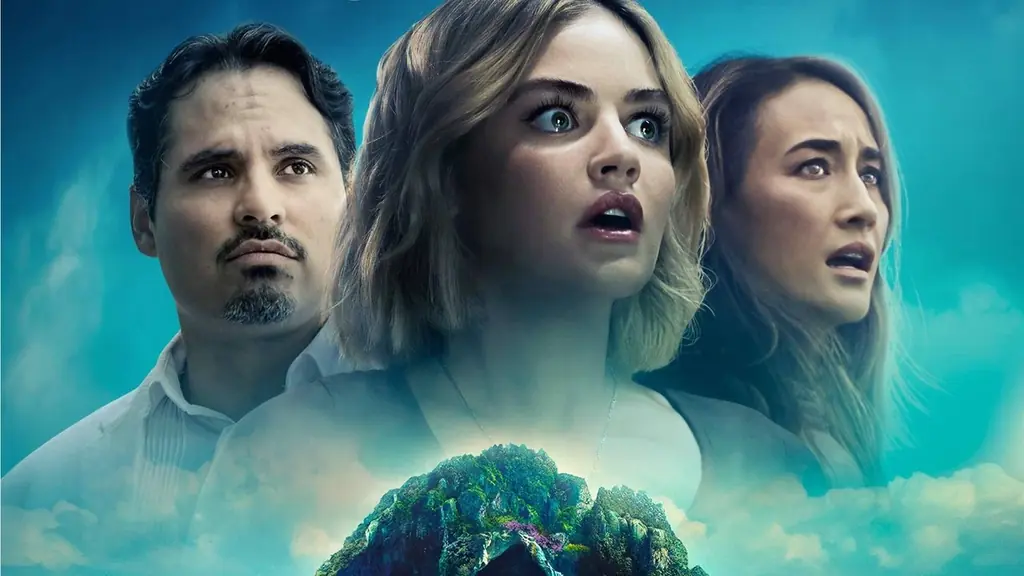
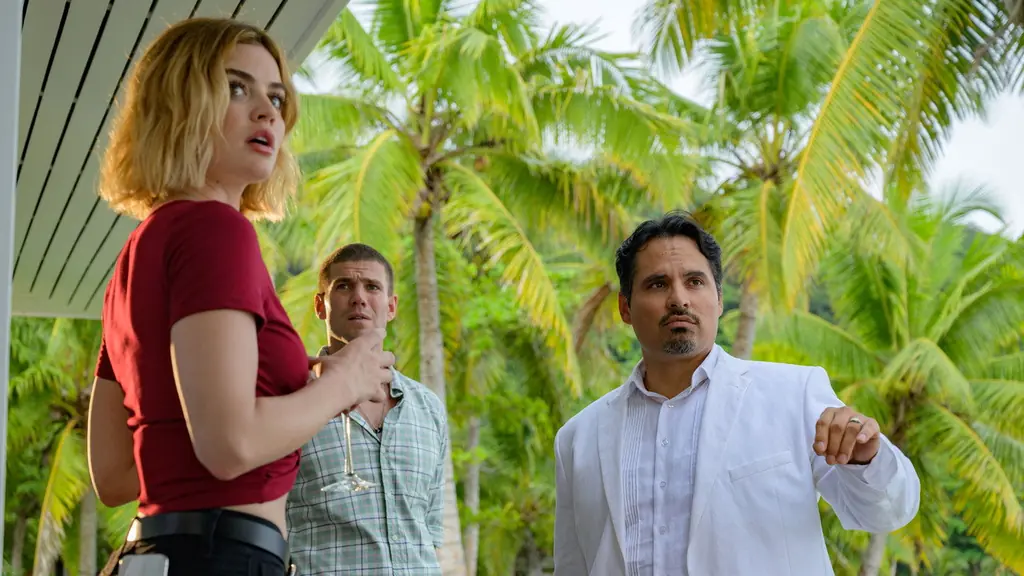
Stepping into the iconic white suit is Michael Peña as Mr. Roarke, a casting choice that initially raises eyebrows. Unlike the commanding, almost supernatural presence of Ricardo Montalban or the devilish charm of Malcolm McDowell, Peña's Roarke feels more like "a dude," someone you'd "grab a beer with." This grounded, approachable vibe, while a departure from tradition, surprisingly "does work for what they're going for in the movie by the end." However, the film doesn't lean into any specific action sequences or visual moments that stand out; instead, it focuses on the unfolding of individual fantasies, which eventually spiral into chaos.
Cameos, Nostalgia & Narrative Stakes
The film truly shines when it embraces its "Fantasy Island" roots. The moments where characters live out their wishes and learn the hard lessons of "be careful what you wish for" or "don't try to change the past" are genuinely engaging. There's an initial "legit attempt at making a Fantasy Island movie" that explores the consequences of altering one's reality. However, this promising setup quickly gives way to an "overblown very convoluted slasher flick." The narrative stakes, initially tied to personal growth and consequence, become muddled as the film transforms into something akin to "I know what you did on the island last summer," losing its unique identity in favor of generic horror tropes. The shift is jarring, turning an intriguing premise into a predictable genre exercise.
Tone, Direction & Creative Freedom
Under the direction of Jeff Wadlow, the film struggles with its identity, oscillating between thoughtful fantasy and chaotic horror. The initial tone, which hints at a deeper exploration of human desires, is ultimately abandoned for a convoluted plot. The movie feels "drawn out" and "way too long," suffering from significant "time management" issues. So much happens in the last act "in the name of keeping you guessing" that it "detracts from any of the lessons that might have been learned in the first act." This overstuffed finale makes the film feel "about a half an hour longer than it probably is," leaving a sense of exhaustion rather than satisfaction.
The Final Verdict
Ultimately, Fantasy Island starts with good intentions, attempting to blend classic wish-fulfillment with modern horror. Yet, it burns its potential to the ground, devolving into a "convoluted" and forgettable experience. What begins as an intriguing exploration of fantasy and consequence ends as a muddled, overlong slasher that fails to leave any lasting impression. It's a film that, despite its initial promise, is "not really gonna remember it in t-minus one day."
What Worked
- Intriguing initial premise of wish fulfillment
- Engaging when exploring lessons learned from fantasies
- [[person:454|Michael Peña]]'s unique take on Mr. Roarke
- Initial attempt at a legitimate "Fantasy Island" movie
What Didn't Work
- Devolves into an "overblown, convoluted slasher flick"
- Excessively long and poor "time management"
- Muddled third act detracts from earlier themes
- Ultimately forgettable and unimpactful



