Introduction
The return to the tumultuous world of Christian Grey and Anastasia Steele in Fifty Shades Darker was met with a mix of anticipation and trepidation. Following the divisive reception of its predecessor, the sequel promised to delve deeper into the characters' complex relationship, offering more drama, more passion, and perhaps, a more coherent narrative. Yet, what audiences received was a film that not only failed to rectify the original's shortcomings but amplified them, delivering a viewing experience so profoundly unengaging that it felt like a "painful" and "horrendous" ordeal from start to finish. This was not merely a bad movie; it was a cinematic misfire that left many wondering how such a production could ever see the light of day.
The Lead Dynamic & The Action
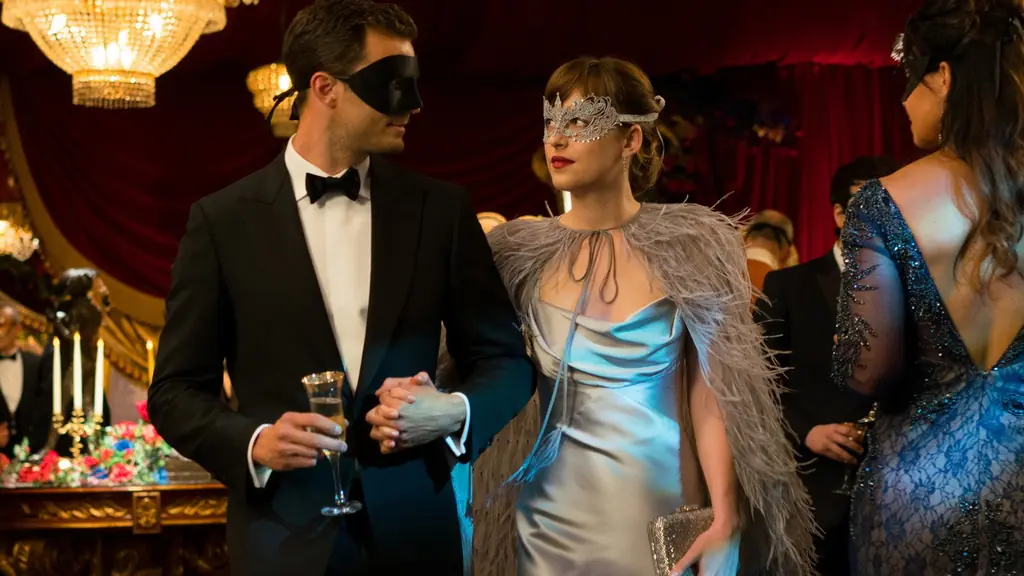
At the heart of Fifty Shades Darker lies the supposed romance between Jamie Dornan's Christian and Dakota Johnson's Ana. The film opens with the pair estranged, only for Ana to inexplicably return to Christian's arms, a decision so baffling it brands her as "the biggest cinematic idiot ever." This lack of logical character motivation plagues their entire dynamic. Christian, far from being an alluring romantic lead, continues to exhibit "serial killer-esque tendencies"—stalking, controlling, and generally creepy behavior that is neither endearing nor believable. The script attempts to portray a passionate, all-consuming love, but the chemistry between Dornan and Johnson is so absent that their interactions fall flat. Even the intimate scenes, a cornerstone of the franchise, are described as "not even interesting," lacking any genuine spark or emotional resonance. The film's reliance on this central relationship is its undoing, as viewers are left with two characters they simply do not care about, making the entire two-hour runtime feel like an eternity.
Cameos, Nostalgia & Narrative Stakes
The narrative of Fifty Shades Darker is a bewildering collection of disjointed events that ultimately serve no discernible purpose. Subplots are introduced with little fanfare and then summarily abandoned, leaving audiences scratching their heads. A former flame of Christian's, played by Bella Heathcote, appears briefly to "creep her out" but then vanishes without any lasting impact on the story. Even more egregious is a bizarre sequence where Christian's helicopter goes down, he's missing for a few minutes, only to reappear unharmed as if nothing happened. This entire segment, along with the introduction of Ana's "creepy boss" Eric Johnson, is lambasted for doing "nothing for the plot," "nothing for the movie," and "nothing for the story." These narrative detours feel like desperate, clumsy attempts to inject drama into a story that fundamentally lacks it, resulting in a film that, despite being "about 2 hours long on the nose," "feels like three." The characters themselves are so "cartoony" and unbelievable that any attempt at serious drama is undermined, resembling "Twilight fanfiction on their Blackberry" rather than a compelling adult romance. The film's pacing suffers immensely from these pointless diversions, making the viewing experience an arduous one.
Tone, Direction & Creative Freedom
Under the direction of James Foley, Fifty Shades Darker struggles desperately to find a consistent tone, oscillating wildly between attempts at serious drama and unintentional comedy. What aims to be a tense, romantic thriller often veers into outright absurdity, making it "humorous when it tried to be serious." Conversely, what attempts to be sexy and alluring ends up being "boring when it tried to be sexy." The film's pacing is a significant issue, with scenes dragging on and plot points failing to resonate, contributing to the feeling that the movie is "still happening" long after it should have concluded. The overall impression is one of a production that lacked a clear vision or perhaps the creative freedom to execute one effectively, resulting in a bland, uninspired continuation of a story that was already on shaky ground. The film's attempts at drama and romance are so poorly executed that it becomes a "painful" and "nonsensical" experience, leaving viewers utterly disengaged.
The Final Verdict
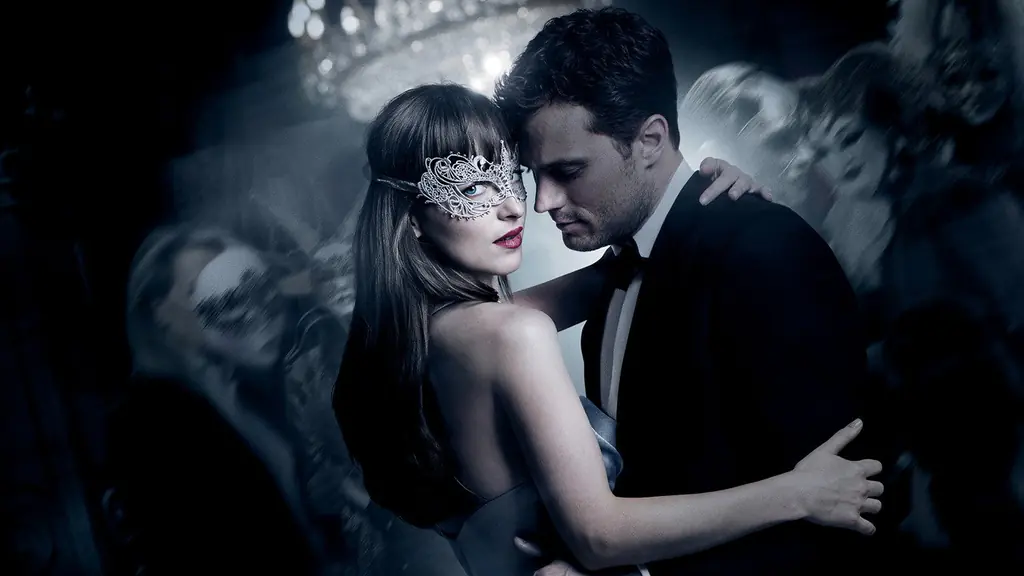
Fifty Shades Darker is not merely a bad movie; it's an endurance test, a cinematic ordeal that manages to be both ridiculous and profoundly boring. It's a sequel that doubles down on the flaws of its predecessor, delivering a narrative so devoid of purpose and characters so unlikable that it becomes a truly "horrendous" watch. The film's inability to craft a compelling story or believable characters, coupled with its uninteresting intimate scenes and nonsensical plot points, makes it a prime example of how not to make a romantic drama. For those seeking genuine romance, compelling drama, or even interesting eroticism, look elsewhere. This is a cinematic misfire that should be avoided at all costs, a film that truly earns the description of a profound cinematic failure.
What Worked
- Attempts to continue the story of Christian and Ana.
- Features a variety of dramatic plot devices.
- Includes scenes of intimacy.
- Provides a clear resolution to the immediate conflict.
What Didn't Work
- Lack of chemistry between the lead actors.
- Nonsensical and pointless plot developments.
- Intimate scenes are uninteresting and boring.
- Characters are cartoony and unbelievable.