Introduction
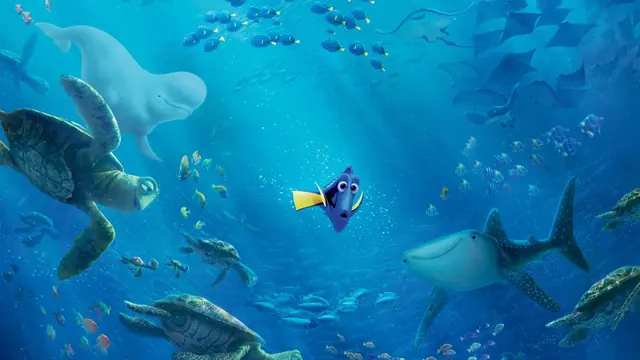
When news broke of a sequel to the beloved Finding Nemo, the cinematic world held its breath. Was this a genuine return to a cherished universe, or merely an attempt to milk a successful franchise? The anticipation was palpable, a mix of excitement for more aquatic adventures and a healthy dose of skepticism. Yet, from the very first frame, even before the main feature, the charm of Pixar's short film set an unexpectedly adorable tone, preparing audiences for a journey that would defy expectations.
The Lead Dynamic & The Action
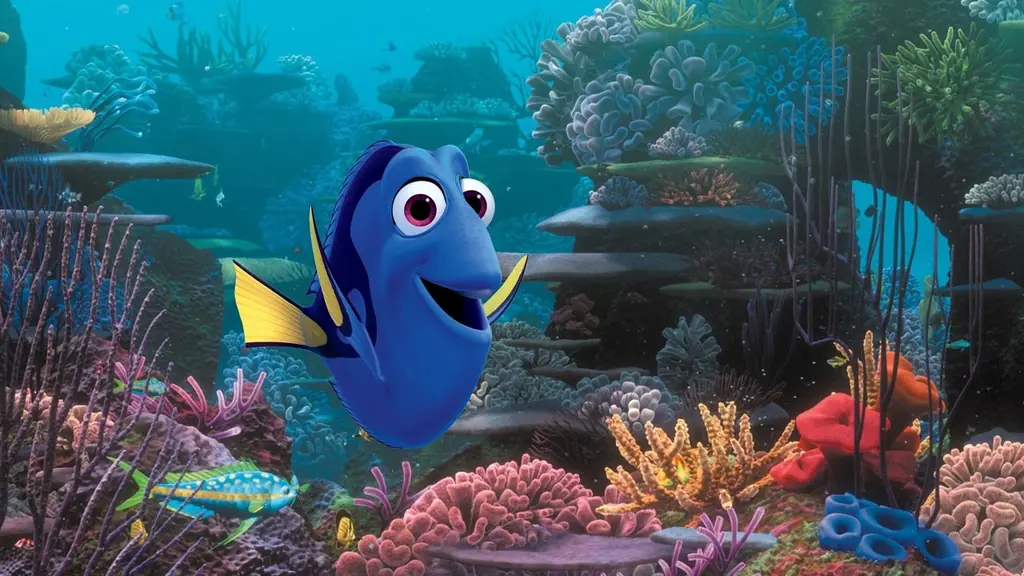
Finding Dory bravely takes a supporting character, the forgetful but endearing Dory, and places her squarely in the spotlight. This gamble pays off handsomely, largely thanks to the phenomenal voice work of Ellen DeGeneres, who imbues Dory with a blend of humor, vulnerability, and relentless optimism. The narrative sees Dory grappling with fragmented memories of her parents, sparking a quest that becomes the film's emotional core. This shift also opens the door for a host of new, flavorful supporting characters who truly elevate the experience.
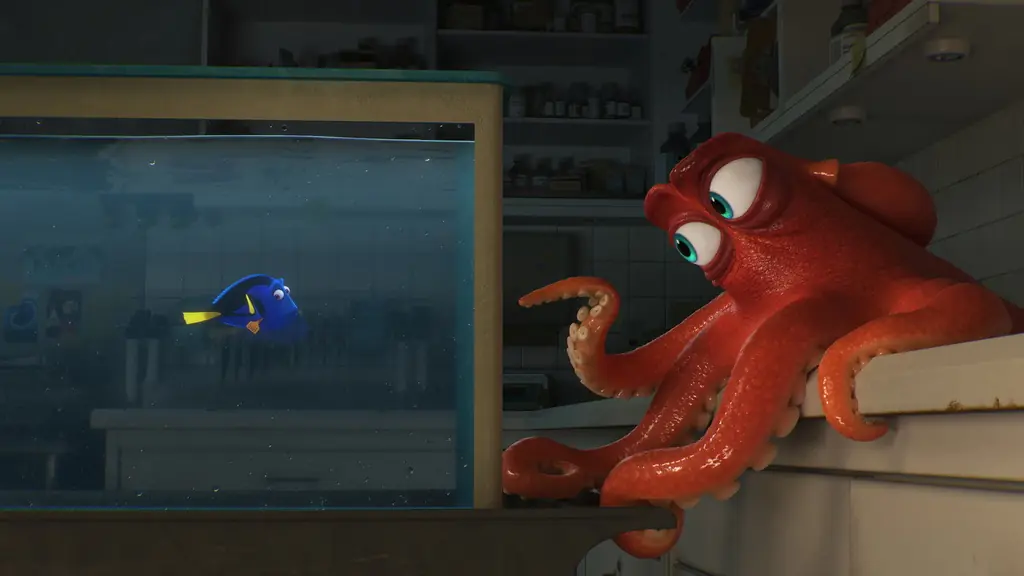
Chief among these new additions is Hank the octopus, a character so compelling that one might even wish for a "Finding Hank" spin-off. The dynamic between Dory and Hank is the true heart of this film, their unlikely friendship carrying the emotional weight and driving much of the adventure. It's a testament to the writing that their bond feels more central than Dory's relationship with Nemo and his father. Pixar, as always, has mastered the art of blending adventure, excitement, laughs, and profound emotional depth. The film even offers a satirical, almost horror-movie-like perspective on human interaction with marine life, illustrating the stark contrast between our casual observations and the perilous reality for sea creatures. One particular segment perfectly captures this, standing out as a truly memorable scene.
Cameos, Nostalgia & Narrative Stakes
The film's title, Finding Dory, cleverly plays on the premise, as Dory herself is the one doing the "finding" of her parents. While Dory's short-term memory loss is a source of humor, it also presents a unique narrative challenge. For those around her, and at times for the audience, Dory's forgetfulness can be genuinely frustrating. Yet, the film masterfully ensures that this frustration quickly turns to empathy, as it's clear Dory cannot help her condition. This makes her journey of following unreliable "breadcrumbs" of memory a fascinating and distinct plot device. Instead of a straightforward trail of clues, Dory's path is a winding, often misinterpreted one, adding an unpredictable layer to the classic quest narrative.
However, the film does encounter some pacing issues, particularly towards its conclusion. There's a sense that the movie attempts to wrap up multiple times, only to introduce another twist or extension. This creates an "unstable roller coaster" effect, where the narrative feels like it's gearing down for an ending, only to pick up speed again. While the additional sequences are often interesting, the repeated false endings can lead to a slightly abrupt feeling when the credits finally roll.
Tone, Direction & Creative Freedom
Under the direction of Andrew Stanton, Finding Dory maintains Pixar's signature blend of humor and heart. The studio's ability to craft stories that resonate deeply, eliciting both laughter and tears, is on full display. The film navigates complex emotions, particularly Dory's moments of despair, with a sensitivity that feels earned. It's a movie that understands the power of "the feels," delivering them in abundance, especially in its poignant early scenes.
This sequel had the unenviable task of following a film held in immense nostalgic regard. Rather than battling that nostalgia, Finding Dory positions itself as a worthy companion piece, expanding on the world and characters without attempting to simply replicate its predecessor. The creative freedom afforded to the filmmakers is evident in the fresh character dynamics and the unique approach to Dory's personal journey.
The Final Verdict
Ultimately, Finding Dory is a triumph. It delivers on all fronts: the laughs are plentiful, the tears are genuine, and the emotional core is deeply resonant. It's a film that almost universally connects with its audience, offering a delightful and heartfelt experience. While it might have a few minor stumbles in its pacing, its strengths far outweigh any weaknesses, making it a highly recommended watch that stands proudly alongside its predecessor.
What Worked
- Ellen DeGeneres shines as Dory, making her a compelling lead.
- Introduction of fantastic new supporting characters, especially Hank the octopus.
- Masterful blend of humor, adventure, and genuine emotional depth.
- Unique narrative approach to Dory's memory loss creates an engaging plot.
- Successfully expands the beloved universe as a companion piece to the original.
What Didn't Work
- Pacing issues near the end with multiple "false endings" that feel drawn out.
- Some viewers might find Dory's memory struggles occasionally frustrating.
- Faces the challenge of living up to the high nostalgic bar set by its predecessor.



