Introduction
When a beloved franchise seemingly fades into the cinematic sunset, it’s only a matter of time before the whisper of a revival often turns into a roar. Sixteen years after its last outing, the Focker family saga continues with Focker In-Law, a film that arrives with the promise of fresh comedic chaos for a new generation. Under the direction of John Hamburg, known for a varied portfolio of comedies, this installment aims to reignite the spark that made the original films so popular. However, from the opening scenes, it becomes clear that Focker In-Law is precisely what audiences might expect: a predictable return to familiar territory. The narrative kicks off with Robert De Niro's character celebrating his milestone 80th birthday, a gathering that brings the entire extended family under one roof. This includes a now-adult son of Ben Stiller's Greg Focker, who introduces his new girlfriend, played by the surprisingly adept Ariana Grande. The stage is set for the inevitable clash of personalities and the signature brand of Focker family shenanigans.
The Lead Dynamic & The Action
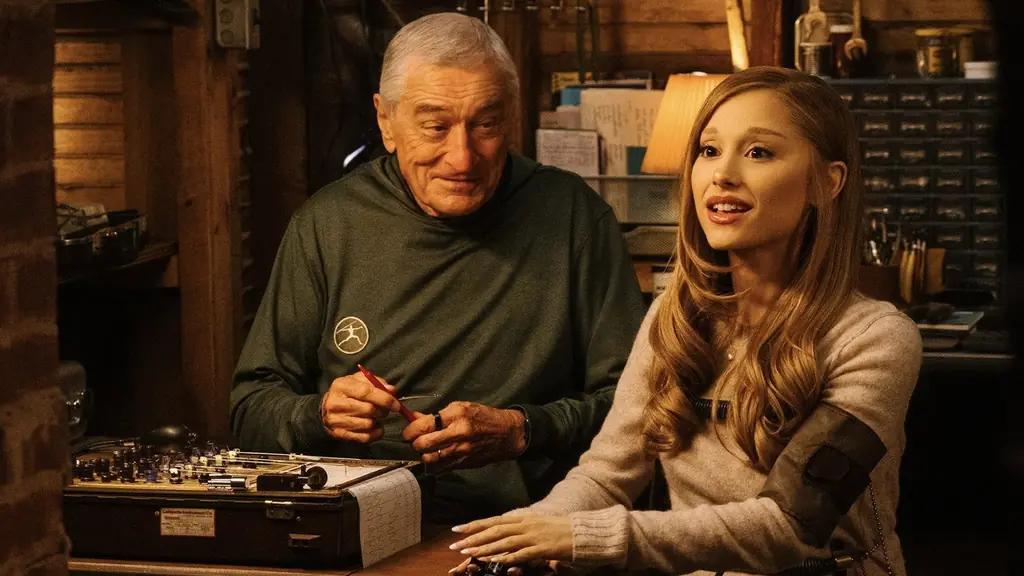
At its core, Focker In-Law attempts a clever inversion of its established formula. The intimidating "would-be father-in-law" dynamic, once centered on Greg Focker, now shifts to his son's new partner, creating a fresh, albeit somewhat expected, comedic tension. This feels like a natural evolution for the series, offering a few scattered laughs as the younger generation navigates the intense scrutiny of the Focker patriarch. The undeniable highlight of the film is Ariana Grande. She delivers a performance that showcases genuine comedic acting chops, injecting a much-needed burst of fresh energy into an otherwise familiar ensemble. Her sharp timing and engaging screen presence frequently elevate scenes, proving to be a surprising and welcome addition. Regrettably, the same cannot be said for many of the returning cast members. There's a palpable sense that several actors are simply "clocking in for another paycheck," delivering performances that feel recycled and devoid of genuine enthusiasm. The most significant misstep, however, lies with Ben Stiller's Greg Focker. Despite being "two years away from collecting social security," his character inexplicably reverts to the nervous, insecure twenty-something persona that defined him in the earlier films. This lack of character evolution makes him not only unbelievable but often deeply annoying. Any growth or lessons learned in previous installments appear to have been completely discarded, leaving audiences with a protagonist who is frustratingly stagnant and, at times, emotionally manipulative. His interactions with his son, in particular, highlight a deeply unhealthy dynamic that the film attempts to frame as comedic, but often comes across as genuinely uncomfortable.
Cameos, Nostalgia & Narrative Stakes
The challenge for any legacy sequel is to strike a delicate balance between honoring its past and forging a compelling new path. Focker In-Law largely falters in this regard, leaning heavily on nostalgia while struggling to establish meaningful narrative stakes. The film falls into the common trap of freezing its characters in a time capsule, seemingly afraid to allow them to evolve naturally with age. This desire to keep beloved figures unchanged ultimately undermines any potential for genuine storytelling or character development. The central plot, which sees Greg Focker projecting his own manipulative tendencies onto his son's girlfriend, feels underdeveloped and lacks the sharp wit or emotional resonance needed to carry the film. This results in a viewing experience that is "not that fun to watch," punctuated by "more than a few dumb moments" and comedic gags that are telegraphed from the outset. The narrative stakes feel minimal, overshadowed by a pervasive sense of predictability that leaves little room for genuine surprise or engagement. The film's reliance on familiar tropes and predictable outcomes means that audiences can often anticipate every beat, from the initial setup to the inevitable punchline, long before it arrives.
Tone, Direction & Creative Freedom
Under the direction of John Hamburg, whose filmography includes both hits and misses, Focker In-Law struggles to maintain a consistent and engaging tone. The film clearly aims for "easy cheese" humor, a hallmark of the franchise, but frequently veers into territory that feels "largely unenjoyable cheese." The comedic setups are so transparent and formulaic that audiences can often predict the punchline before the joke even fully unfolds, diminishing any potential for genuine laughter. This apparent lack of creative freedom, or perhaps a reluctance to deviate from the established Focker formula, results in a film that feels less like a fresh take and more like a paint-by-numbers exercise. The pacing often drags, particularly in scenes where the recycled gags are stretched thin, and the overall direction fails to elevate the material beyond its predictable origins. Instead of offering a vibrant, new chapter, the film delivers a sense of déjà vu, leaving viewers with a feeling of mild disappointment rather than genuine entertainment.

The Final Verdict
Ultimately, Focker In-Law delivers precisely what one might anticipate: a largely forgettable entry in a long-running franchise. While Ariana Grande offers a glimmer of comedic brilliance and a much-needed breath of fresh air, the film is significantly weighed down by a frustratingly stagnant lead in Greg Focker and an over-reliance on tired, predictable gags. It's the kind of movie that, as one might predict, will be "not going to remember in T minus one day." For those seeking a fresh, engaging, or genuinely innovative comedy, this is not the destination. For the most ardent, nostalgia-driven fans of the Focker family, there might be a fleeting moment of comfort in seeing familiar faces, but even that is likely to quickly fade, leaving little lasting impression.
What Worked
- Ariana Grande brings fresh, sharp comedic timing.
- The core "in-law" dynamic naturally evolves to a new generation.
- A few scattered gags land with mild success.
- Familiar faces provide a touch of franchise nostalgia.
What Didn't Work
- Ben Stiller's Greg Focker is an unlikable, undeveloped character.
- Most returning cast members feel disengaged, phoning in performances.
- Overly predictable plot and recycled comedic setups.
- Ultimately forgettable, offering little new or engaging content.
Frequently Asked Questions
Is Focker In-Law worth watching?
For die-hard fans of the franchise, there might be a few nostalgic laughs, but the film largely rehashes old jokes and struggles with character development, making it a forgettable experience for most.