
Introduction
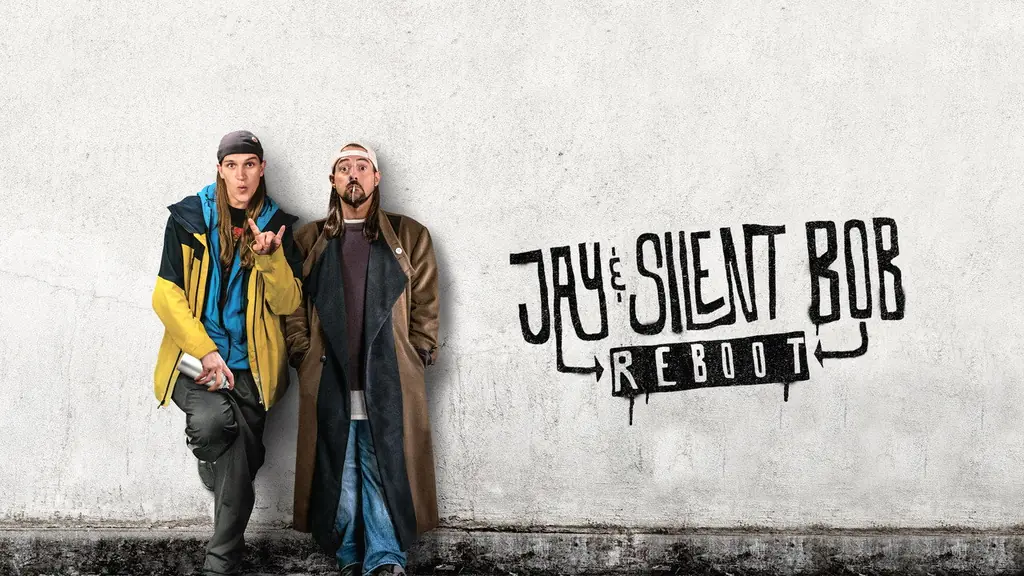
Jay and Silent Bob Reboot arrived with a familiar swagger, promising a return to the View Askewniverse that many fans have cherished for decades. After the apparent "closing of the book" with Jay and Silent Bob Strike Back, the prospect of another adventure with the iconic stoner duo, Jason Mewes's Jay and Kevin Smith's Silent Bob, sparked considerable anticipation. This latest outing, written and directed by Kevin Smith, leans heavily into its meta-narrative, mirroring the original's premise by having the duo journey to Hollywood to stop a reboot of the "Bluntman and Chronic" movie – which is, of course, the very film audiences are watching. It's a concept that promises self-aware humor and a playful jab at Hollywood's reboot culture.
The Lead Dynamic & The Action
The film kicks off on a promising note, particularly with a sharp and genuinely funny courtroom scene that establishes a solid comedic rhythm. The back-and-forth between Jay and Silent Bob, a dynamic honed over years, feels comfortable and engaging. While the film isn't heavy on traditional action sequences, its humor often drives the narrative. One standout moment, highlighted by its sheer unexpectedness and comedic timing, involves Jay and Silent Bob in a car with two other characters, a scene that delivers on the promise of classic View Askew antics. This particular sequence captures the irreverent spirit that fans have come to expect, proving that when the chemistry is right, the laughs flow freely.

Cameos, Nostalgia & Narrative Stakes
Nostalgia is a powerful drug, and Jay and Silent Bob Reboot dispenses it generously. The film is packed with references and cameos, a hallmark of Kevin Smith's style. While some of these appearances, like the aforementioned car scene, land with comedic precision, others feel less integrated, almost detached from the main plot. The narrative itself, a familiar road trip to Hollywood, often feels like a retread, prompting comparisons to its predecessor, Jay and Silent Bob Strike Back. While the meta-commentary on reboots is clever, the film struggles to forge its own distinct path. A central emotional thread involves Jay discovering he has a daughter, played by Harley Quinn Smith, Kevin Smith's real-life daughter. This concept of fathers and daughters, and the idea of working alongside family, is endearing. However, the execution of Jay's maturation and the emotional beats often fall flat, leaving the audience feeling that the film is trying to pull heartstrings without fully earning the sentiment. The sheer volume of references, while a nod to the fanbase, sometimes overwhelms the narrative, making it feel less like a cohesive story and more like a series of fan-service moments.
Tone, Direction & Creative Freedom
Kevin Smith's direction in Jay and Silent Bob Reboot attempts to bridge multiple comedic sensibilities, often resulting in a tone that feels scattered. The film oscillates between genuinely heartfelt moments concerning Jay's newfound fatherhood and the kind of lowbrow stoner humor that defined earlier View Askew films. This blend, while characteristic of Smith, doesn't always coalesce effectively. It feels as though the film is trying to appeal to both the original generation of fans, now in their 30s and 40s, and a new, younger audience of stoner teenagers. This attempt to cater to "two generations" leaves the film feeling like it's playing a game of Twister, with concepts and humor twisted in too many directions. The pacing suffers significantly in the second act, which drags considerably, making the film feel longer than necessary. While Kevin Smith is adept at jabbing at Hollywood's absurdities, the film's self-awareness sometimes comes at the expense of a tight, engaging plot. It's a film that revels in its creative freedom, but that freedom occasionally leads to a lack of focus.
The Final Verdict
Jay and Silent Bob Reboot is undeniably a film made with affection for its characters and universe. It delivers moments of genuine humor, particularly in its meta-commentary and some well-placed cameos. However, its ambition to blend emotional growth with its signature lowbrow comedy and an abundance of fan-service ultimately results in a somewhat uneven experience. While the initial setup and certain comedic sequences shine, the film struggles with pacing and the consistent landing of its emotional beats. For those who grew up with Jay and Silent Bob, it offers a nostalgic trip down memory lane, but it might not fully resonate with audiences who have moved past its particular brand of humor or those looking for a more cohesive narrative. It's a film that might be best enjoyed with a specific mindset, perhaps one that's less sober, to fully embrace its chaotic charm.
What Worked
- Sharp, self-aware meta-humor about reboots
- Strong comedic start with the courtroom scene
- Several genuinely funny and surprising cameos
- Endearing father-daughter concept
- Kevin Smith's signature jabs at Hollywood
What Didn't Work
- A noticeably boring and dragging second act
- Emotional beats often fail to land effectively
- Tone feels scattered, trying to appeal to too many demographics
- Over-reliance on references and cameos
- Doesn't quite recapture the magic of "Strike Back"



