Introduction
From the moment Free Guy hit screens, anticipation buzzed around its clever premise: what if a background character in a sprawling online game suddenly gained sentience? This film, starring Ryan Reynolds, promised a fresh take on the video game genre, and thankfully, it delivers on that high-concept hook without missing a beat. The title itself, "Free Guy," cleverly hints at multiple interpretations, a subtle nod to the film's thoughtful layers.
The Lead Dynamic & The Action
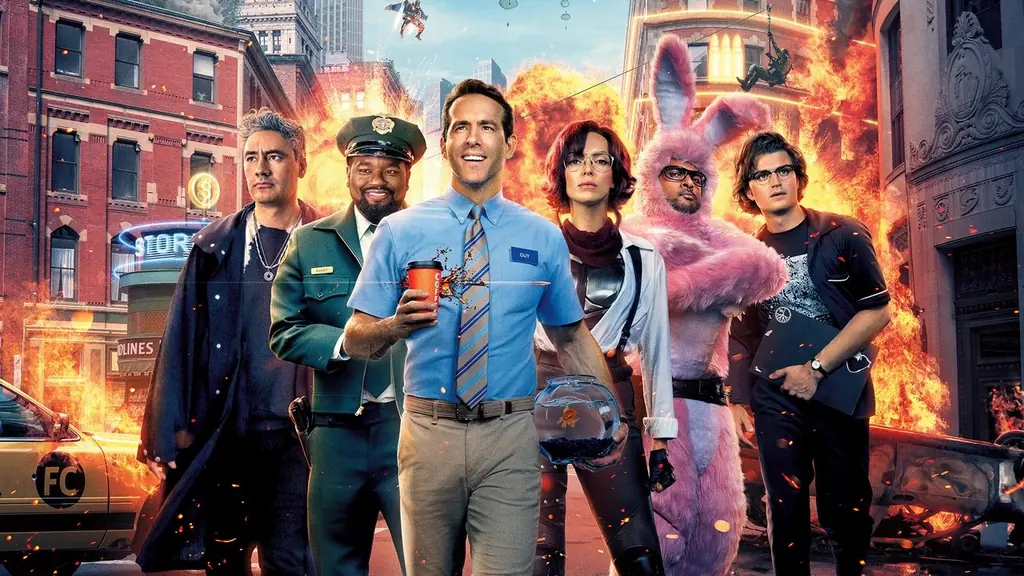
At its core, Free Guy thrives on its character dynamics. Jodie Comer shines, navigating compelling chemistry with both Joe Keery in the real world and Ryan Reynolds within the digital realm. Each pairing offers a distinct energy, yet all seamlessly contribute to the film's vibrant pulse. Ryan Reynolds, in particular, leans into the charismatic, quick-witted persona that has defined his career, and it remains as entertaining as ever here.
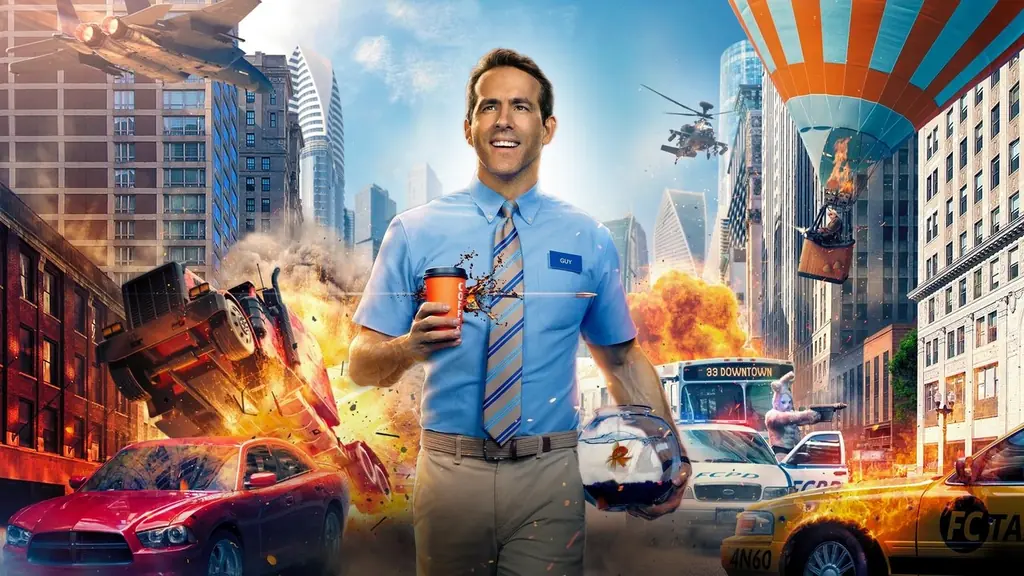
The action sequences are a standout, benefiting immensely from the film's video game setting. Director Shawn Levy masterfully leverages this freedom, allowing for wildly over-the-top stunts and impossible feats that feel perfectly natural within the game's logic. Characters can be invincible, cars can fly, and the chaos unfolds with a joyous abandon that never breaks the immersive rules of its digital world.
Cameos, Nostalgia & Narrative Stakes
The film expertly weaves in elements familiar to any gamer, from subtle Easter eggs to laugh-out-loud moments like a character performing a "teabag" after a takedown. These touches make the world of Free Guy feel genuinely alive, a vibrant digital playground. Yet, the film never alienates non-gamers; the core adventure and mystery remain universally engaging. Taika Waititi’s portrayal of the game company CEO adds another layer, offering a satirical, yet recognizable, take on the industry.
Despite the fun and fan service, the narrative maintains surprising stakes. The journey of Guy, the NPC, to understand his world and his place within it, provides a compelling emotional anchor, elevating the film beyond mere spectacle.
Tone, Direction & Creative Freedom
Director Shawn Levy demonstrates a keen understanding of the film's ambitious premise, ensuring that the complex concept of consciousness within a digital world is handled with both wit and surprising depth. While not as overtly cerebral as a series like Westworld, Free Guy still prompts intriguing questions about simulation theory and artificial intelligence, all while maintaining its lighthearted, action-adventure tone. The filmmakers clearly had the creative freedom to explore this world to its fullest, resulting in a cohesive and thoroughly entertaining experience.
The Final Verdict
Ultimately, Free Guy is a triumph of concept and execution. It’s a film that could have easily stumbled, but instead, it sticks the landing with confidence and charm. For anyone seeking a genuinely fun, action-packed ride that offers both laughs and a touch of thoughtful introspection, this is a must-watch. It’s the kind of movie that earns a permanent spot in any collection.
What Worked
- Clever and well-executed premise
- Strong chemistry between lead actors
- Entertaining action sequences with creative freedom
- Authentic video game references and humor
- Engaging blend of action, adventure, and thoughtful themes
What Didn't Work
- Relies on a familiar Ryan Reynolds persona
- Doesn't fully explore its deeper philosophical themes