
Introduction
The tale of the Ice Queen has long been a staple, but Disney’s Frozen takes this familiar narrative and spins it into something truly captivating. Instead of a straightforward villain, the film dares to ask: what if she was simply misunderstood? This intriguing premise sets the stage for an animated adventure that feels both classic and refreshingly modern, immediately drawing viewers into a world of magic and emotional complexity.
The Lead Dynamic & The Action
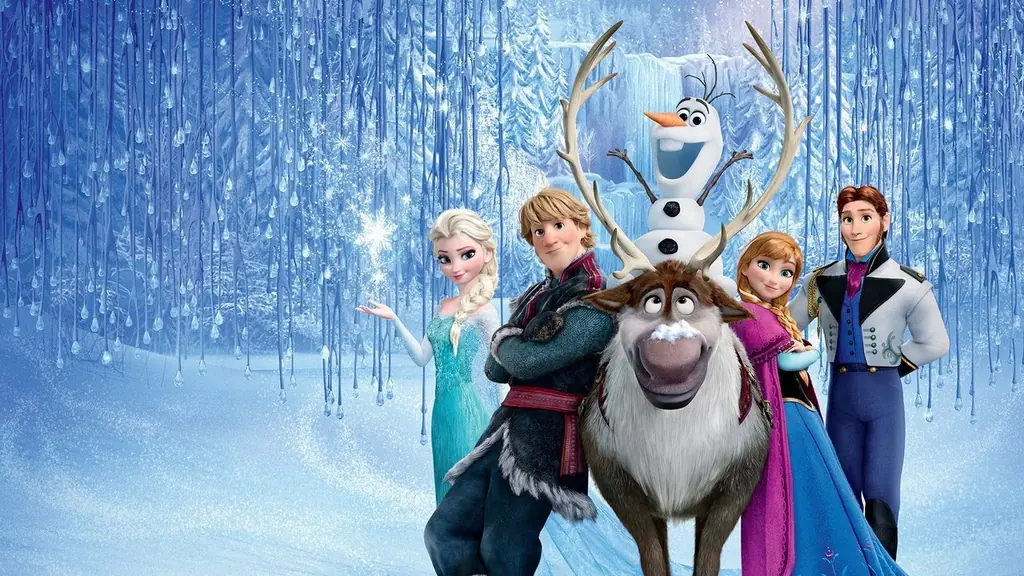
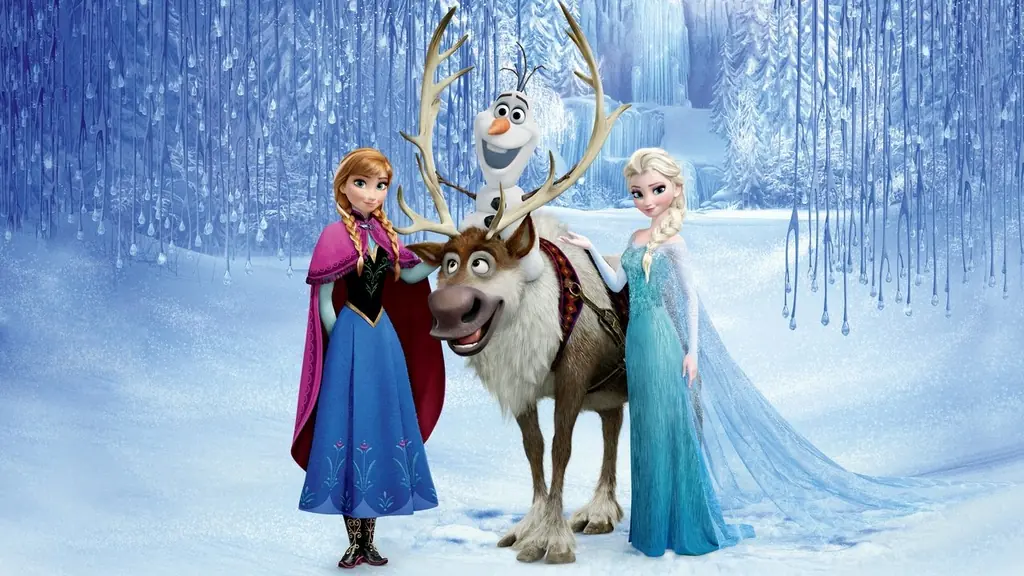
At its heart, Frozen revolves around two sisters, one of whom, Elsa (voiced by Idina Menzel), possesses formidable, yet uncontrollable, ice powers. When these abilities lead to chaos, she retreats to a magnificent ice palace, prompting her determined sister Anna (voiced by Kristen Bell) to embark on a quest to bring her home. The visual spectacle of Elsa wielding her powers is nothing short of breathtaking; icicles burst forth, jagged edges form, and the camera sweeps through her creations, making every icy flourish an epic moment. Complementing these stunning visuals is a musical score that transcends mere catchiness, delving into deep emotional resonance. While the film prioritizes heartfelt moments, it doesn't shy away from comic relief, particularly through the delightful snowman Olaf, voiced by Josh Gad, who provides much-needed levity.
Cameos, Nostalgia & Narrative Stakes
Unlike some contemporary animated features that lean heavily on rapid-fire jokes, Frozen aligns more with the emotional depth of classic Disney animation. It consistently chooses a touching moment over a quick gag, focusing on the profound bond between its characters and the lessons they learn. However, this commitment to a family-friendly tone does present a fascinating "what if." One can't help but wonder how compelling the narrative could have been if it had explored a darker path, allowing Elsa to fully embrace a tragic villain role, forcing her sister into a more dramatic confrontation. While Disney's decision to keep things lighter is understandable for its target audience, it leaves a tantalizing glimpse of a potentially more intense, albeit darker, story.
Tone, Direction & Creative Freedom
Under the direction of Chris Buck and Jennifer Lee, Frozen showcases Disney's continued mastery of animation. The film's commitment to emotional storytelling, rather than relying solely on humor, is a testament to its creative confidence. While some sequences might feel a tad slow, momentarily breaking the immersive spell, the overall quality of the animation and the strength of its characterizations ensure that the audience remains engaged. It's a clear demonstration that Disney still possesses the magic touch, delivering animated features that resonate deeply with viewers of all ages.
The Final Verdict
Ultimately, Frozen stands as a triumph. It’s an exciting, character-driven journey that proves Disney's enduring ability to craft compelling animated narratives. Despite a few moments where the pace could quicken, the film’s strengths—its awe-inspiring visuals, emotional music, and engaging characters—far outweigh any minor stumbles. It’s a film that leaves a lasting impression, solidifying its place as a modern classic and a definite recommendation for any animation enthusiast.
What Worked
- Stunning visual effects, especially Elsa's ice powers
- Emotionally resonant and impactful musical score
- Intriguing reinterpretation of the "Ice Queen" trope
- Engaging characters with a fun dynamic
- Delivers valuable life lessons
What Didn't Work
- Pacing issues in certain sections
- Missed opportunity for a darker, more tragic villain arc
- Less focus on overt humor compared to some modern animated films



