
Introduction
The highly anticipated sequel to the ridiculously successful original, Frozen II arrived with immense expectations. Audiences were eager to return to Arendelle, as an enchanted forest calls to Idina Menzel's Elsa, hinting at a deep mystery and a looming curse that only she and her companions can unravel. The stage was set for another epic journey, but did this follow-up truly deliver on its promise?
The Lead Dynamic & The Action
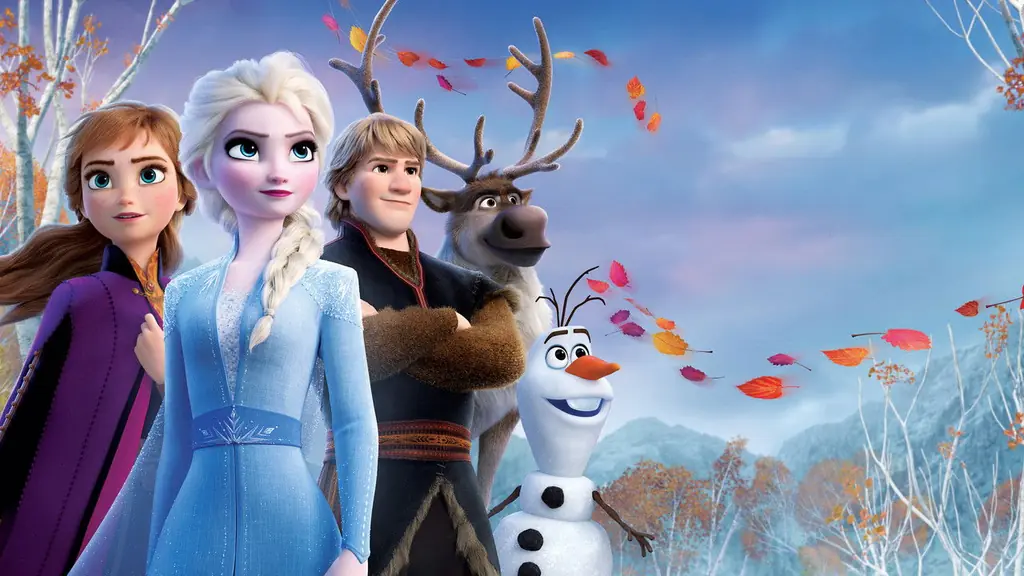
What truly elevates Frozen II beyond its narrative stumbles is the undeniable dynamic between Elsa and Kristen Bell's Anna. Their sisterly bond is the film's beating heart, a powerful sisterhood that works beautifully when they are together. They function as a perfect yin and yang, with Anna's vibrant energy balancing Elsa's more reserved, almost "emo" demeanor. When the film keeps them united, their chemistry is palpable and genuinely engaging.
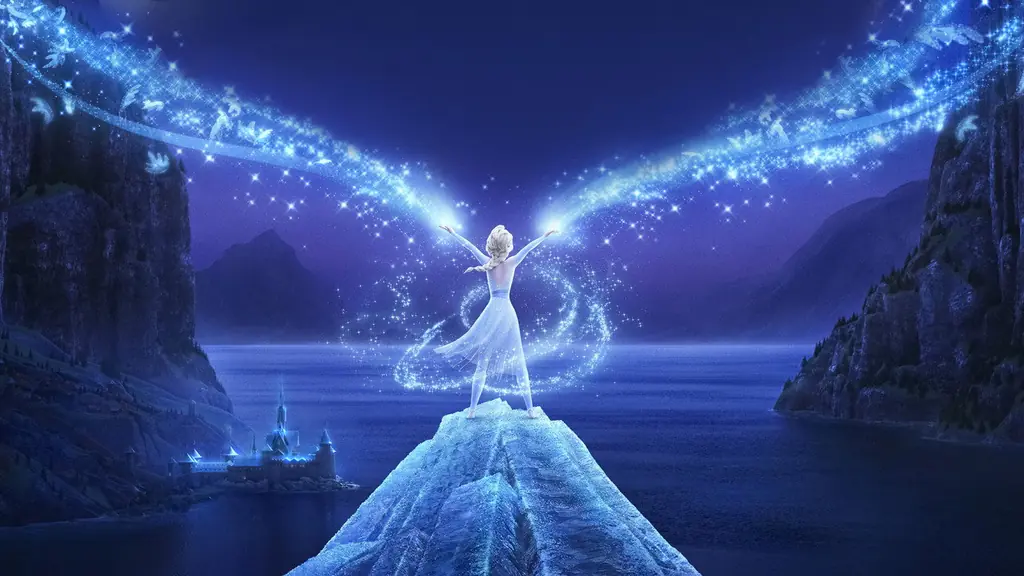
Visually, the film is a triumph. The impressive CGI shines, particularly during Elsa's powerful musical sequences, evoking empathetic gasps from the audience. When the action ignites, it's genuinely exciting, and the moments of intrigue are truly captivating. The animation quality is consistently epic, providing a feast for the eyes even when the story falters.
Cameos, Nostalgia & Narrative Stakes
While the concept for Frozen II's story was strong on paper—a truly intriguing mystery—its execution leaves much to be desired. The plot unfolds with an almost frustrating predictability, revealing its secrets long before the characters catch on. This makes the mystery feel overly obvious, perhaps tailored for a younger audience, but leaving adults in the theater wondering what the filmmakers were trying to hide.
Josh Gad's Olaf, a breakout star from the first film, attempts to recapture his accidental magic. While the original's charm was "lightning in a bottle," the sequel's efforts to reproduce it often fall flat, akin to a shrinking machine that only worked once. However, Olaf does deliver one genuinely hilarious scene, a "3PL moment" that stands out as a comedic highlight.
A significant misstep involves Jonathan Groff's Kristoff. His arc, or rather the lack thereof, sticks out like a sore thumb. He's along for the quest, then inexplicably sidelined for the majority of the film, only to reappear near the end as if nothing happened. This narrative choice feels sloppy and makes his character feel wasted, disrupting the flow and making audiences question his purpose. The film's decision to sequentially break up the core trio—first pushing Kristoff out, then separating Elsa and Anna—ultimately diminishes the very character dynamics that made the first film so compelling.
Tone, Direction & Creative Freedom
Despite its flaws, Frozen II isn't a bad film; it's simply "all right." The direction by Jennifer Lee maintains a consistent visual quality, and some of the music is undeniably catchy, though it lacks a standout, iconic anthem like "Let It Go." The film struggles to justify its own existence, often making viewers care less about the characters than the original did. It's a stark reminder of the difference between a good story on paper and its often-challenging reality on screen.
The Final Verdict
Frozen II is a visually stunning journey that, despite its epic animation and some good last-act excitement, ultimately feels like a missed opportunity. The powerful sisterly bond between Elsa and Anna remains its greatest asset, but a predictable mystery, a wasted Kristoff, and a story that struggles in execution prevent it from reaching the heights of its predecessor. It's a film that had immense potential but delivers a merely "all right" experience, leaving audiences with a sense of what could have been.
What Worked
- Stunning, epic animation and impressive CGI
- Strong, empathetic dynamic between Elsa and Anna
- Some genuinely exciting and intriguing sequences
- One standout, hilarious scene featuring Olaf
- Good last-act excitement and a positive message
What Didn't Work
- Predictable and obvious central mystery
- Kristoff's character is largely wasted and sidelined
- Story execution doesn't live up to its potential
- Splitting up the main characters weakens the narrative
- Lacks a memorable, iconic musical number



