Introduction
The anticipation for Furious 7 was palpable, a film poised to deliver the franchise's signature blend of high-octane thrills and improbable stunts, all while navigating the emotional weight of a real-world tragedy. Audiences were ready for another wild ride, and this installment promised to push the boundaries of disbelief further than ever before. From the opening frame, the energy rarely taps the brakes, setting the stage for a film that knows exactly what it is and leans into it with gleeful abandon.
The Lead Dynamic & The Action
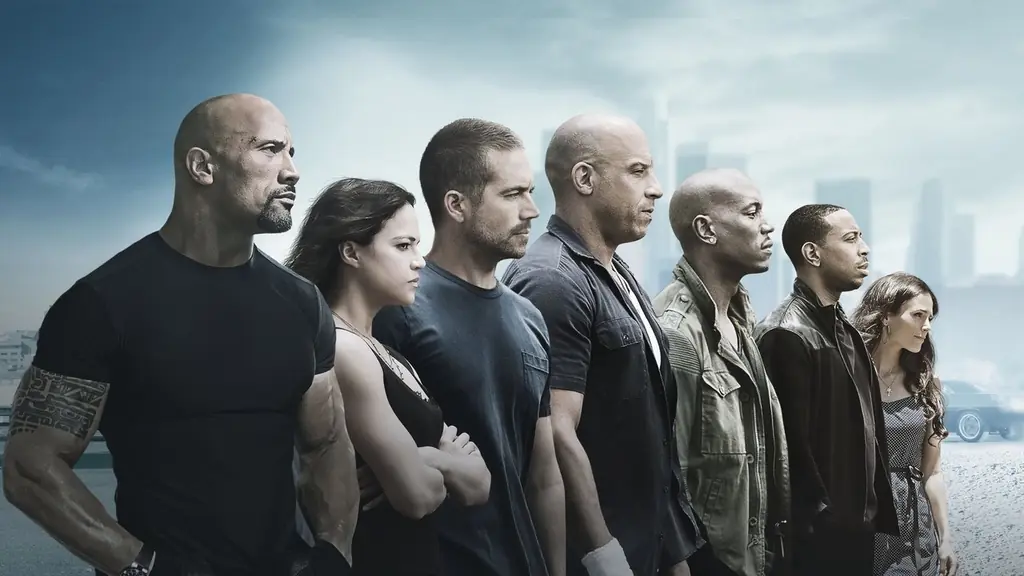
The core dynamic of "family" remains central, even if the word itself is uttered with baffling frequency by Vin Diesel. This film incorporates beloved elements from previous entries while propelling the narrative into new, even more outlandish territory. The action sequences are the undisputed stars, with director James Wan orchestrating chaos with a knowing wink. Early on, a brutal showdown between Jason Statham and Dwayne Johnson immediately signals the film's commitment to over-the-top brawling. When Statham's character shrugs off a direct uppercut from The Rock, any pretense of realism vanishes, preparing viewers for the glorious absurdity to come. The film's final act, in particular, is described as "straight up Twisted Metal," a chaotic, anarchic free-for-all that delivers pure, unadulterated spectacle.
Cameos, Nostalgia & Narrative Stakes
The plot, while serving as a vehicle for the action, centers on Jason Statham's character seeking revenge for his brother from the previous film. This revenge plot intertwines with a government mission to retrieve a powerful device known as the "God's Eye." While Statham's relentless pursuit acts as a constant threat, the "God's Eye" subplot feels somewhat like a narrative cog, a necessary but less engaging element to drive the team across exotic locales. The film expertly balances fan service, like a throwback drag race reminiscent of the first movie, with genuine narrative stakes, even if those stakes require a significant suspension of disbelief. The pacing is relentless, ensuring that even when the plot occasionally falters, the momentum of the action keeps viewers engaged.
Tone, Direction & Creative Freedom
James Wan's direction embraces the inherent ridiculousness of the franchise. This is a movie that understands it doesn't make sense, and it revels in that fact. It's a pure popcorn flick, designed for audiences to kick back and have a good time. The dialogue is a particular highlight, filled with one-liners that evoke the spirit of 90s action cinema. One could easily imagine Arnold Schwarzenegger delivering many of the quips, even if he's not physically present. The film's self-awareness is its greatest strength, allowing it to execute increasingly impossible stunts and scenarios without ever feeling pretentious. It's a movie that dares to ask, "That's not fing possible," and immediately answers, "Yeah, but that's pretty fing cool."
The Final Verdict
Furious 7 delivers exactly what it promises: unbridled entertainment, relentless absurdity, and a treasure trove of memorable one-liners. While the plot can be predictable, the sheer spectacle and commitment to fun make it an undeniably good time. Crucially, the film serves as a poignant and fitting send-off for Paul Walker, handled with respect and emotional resonance that elevates the entire experience. It's a film that demands you leave your logic at the door and simply enjoy the ride.
What Worked
- Delivers absurd, entertaining action and spectacle.
- Self-aware of its own ridiculousness, embracing the fun.
- Packed with classic 90s action movie one-liners.
- Provides a fitting, emotional send-off for Paul Walker.
- Excellent popcorn flick for a good time.
What Didn't Work
- Highly predictable plot points.
- Requires significant suspension of disbelief.
- Excessive, almost baffling, use of the word "family".
- Some plot elements feel like a narrative "cog" rather than essential.