
Introduction
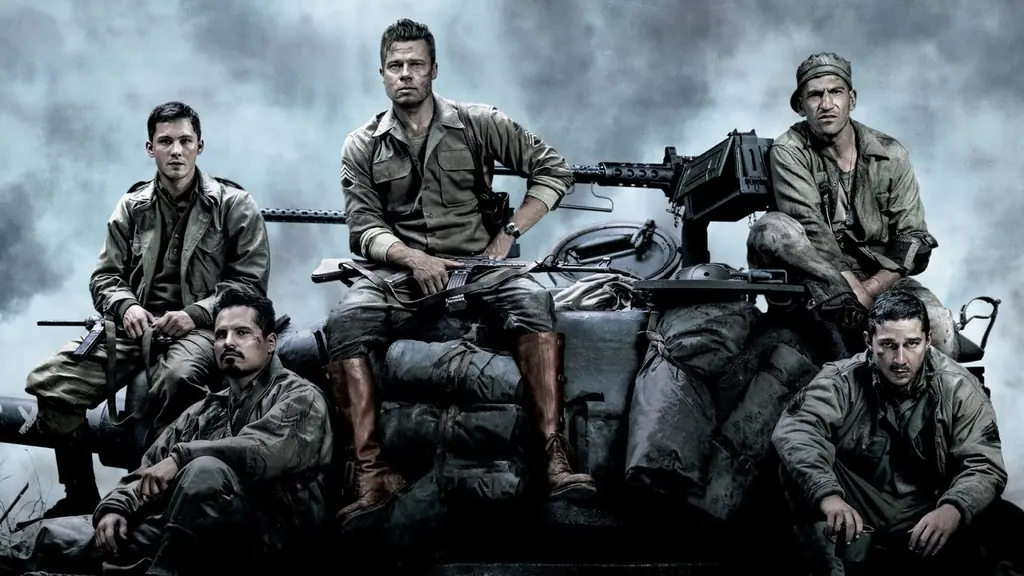
From the outset, Fury throws audiences headfirst into the grim, muddy realities of World War II. This isn't a tale of glory or heroism; it's a brutal, unflinching look at a tank crew operating deep behind enemy lines. Led by the battle-hardened Wardaddy, played by Brad Pitt, the crew of the Sherman tank "Fury" are a hardened, cynical bunch. Their world is upended by the arrival of Norman Ellison, a fresh-faced, inexperienced typist, portrayed by Logan Lerman, thrust into the horrors of combat with no preparation. The film immediately establishes a stark contrast: the seasoned, morally compromised veterans versus the innocent newcomer, forcing viewers to choose a side in a war where no one truly wins.
The Lead Dynamic & The Action
The dynamic within the tank is immediately hostile. Norman is an outsider, subjected to relentless hazing by the crew, particularly the aggressive Coon-Ass, played by Jon Bernthal. This constant antagonism, while intended to show the brutalizing effect of war, often makes the entire crew, save for Norman, deeply unlikable. Yet, amidst this tension, the film excels in its depiction of combat. The war scenes are nothing short of exhilarating, pulling viewers directly into the claustrophobic confines of the tank and the chaos of battle. Every explosion, every bullet ricochet, feels visceral and immediate, creating an intense, immersive experience that few war films achieve. Even Shia LaBeouf delivers a surprisingly strong performance as Boyd "Bible" Swan, showcasing a depth that reminds audiences of his acting capabilities. Michael Peña as Trini "Gordo" Garcia also manages to inject some dark humor, even when his character is being a "dick," a welcome touch in the otherwise grim proceedings.
Cameos, Nostalgia & Narrative Stakes
Fury makes a powerful statement: war is ugly, dirty, and devoid of heroism. There are no medals for glory, only survival. This theme is starkly illustrated when Wardaddy forces Norman to execute an unarmed German prisoner, a moment that feels like a "morality rape" and irrevocably stains Wardaddy's character in the eyes of the audience. It's a scene designed to challenge perceptions of wartime ethics, highlighting the impossible choices soldiers face. However, the film's narrative momentum takes a significant hit with a bizarre, extended sequence where Wardaddy and Norman share a meal with two German women in a liberated town. This scene, intended perhaps to explore the "spoils of war" or a fleeting moment of humanity, drags on for an agonizing thirty minutes. It not only grinds the film to a halt but also further alienates the audience from the crew, as their actions and attitudes during this interlude make them even less sympathetic. It's a creative misstep that actively works against the film's efforts to build any emotional connection with its characters.
Tone, Direction & Creative Freedom
Under the direction of David Ayer, Fury maintains a relentlessly grim and realistic tone. Ayer doesn't shy away from the brutality, depicting the psychological and physical toll of war with unflinching honesty. The film's commitment to showing the unglamorous side of conflict is commendable, emphasizing that soldiers fight not for glory, but out of necessity and a desperate will to survive. The pacing, outside of the aforementioned dinner scene, is generally tight, with intense action sequences punctuated by moments of quiet, desperate tension. However, the inclusion of that one particular scene raises questions about creative judgment. Removing it would undoubtedly make the film stronger, allowing the audience to remain invested in the characters' desperate struggle rather than being pushed away by their questionable actions and the narrative's sudden halt.
The Final Verdict
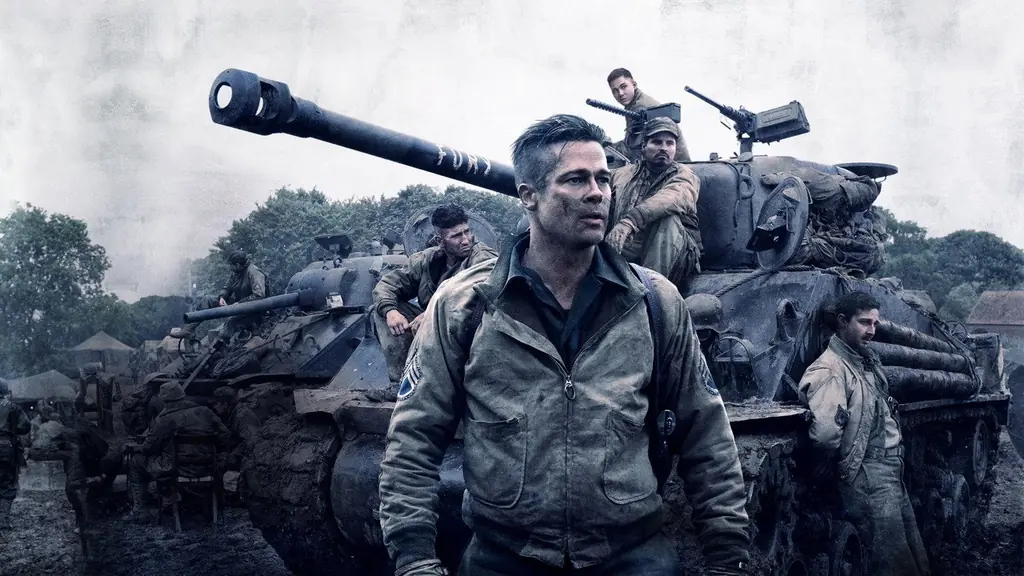
Ultimately, Fury is a well-acted and effective war movie that powerfully conveys its central message: war is a brutal, dehumanizing experience. While the film excels in its visceral action and its commitment to portraying the unheroic nature of conflict, its deliberate choice to make many characters unlikable, compounded by a severely misplaced and overlong dinner scene, prevents it from achieving true greatness. Despite these flaws, the intense tank combat and the raw performances make it a compelling, albeit often uncomfortable, watch. It's a film that demands you choose a side, even if that side is simply rooting for the new kid to survive the "douchebags" he's forced to call comrades.
What Worked
- Visceral, intense, and immersive tank combat sequences.
- Unflinching portrayal of war's brutal, unheroic nature.
- Strong, committed performances from the ensemble cast.
- Effectively puts viewers inside the claustrophobic tank experience.
What Didn't Work
- A prolonged, unnecessary dinner scene derails pacing and character empathy.
- Many characters are deliberately unlikable, making investment difficult.
- The relentless hazing of the new recruit feels unresolved and alienating.
- Pacing issues cause the narrative to stall in the middle act.



