
Introduction
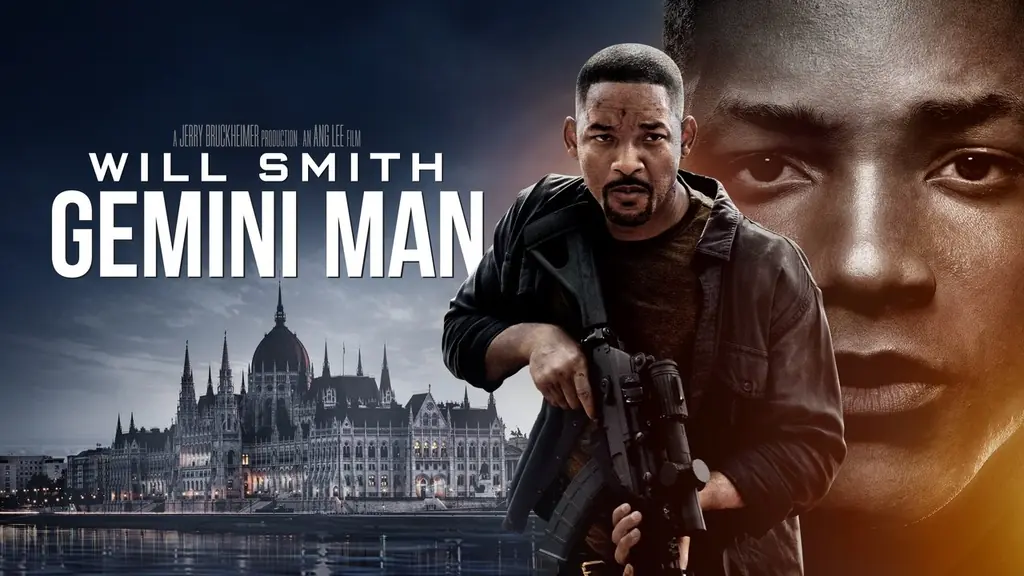
The promise of Gemini Man arrived with considerable buzz: Will Smith facing off against a younger, digitally de-aged version of himself. Directed by the acclaimed Ang Lee, the film positioned itself as a technological marvel, boasting a game-changing visual experience. Audiences anticipated a fresh take on the spy thriller, eager to witness the cinematic spectacle of a star battling his own past.
The Lead Dynamic & The Action
While the core premise revolves around Will Smith's character, Henry Brogan, being hunted by his clone, the film finds its footing in the unexpected chemistry of its supporting players. Mary Elizabeth Winstead and Benedict Wong provide crucial comedic relief and exposition, preventing the narrative from becoming a silent, brooding affair. Wong, in particular, injects a low-key humor that stands out. Their presence ensures Henry has someone to talk to, grounding the high-concept action with relatable human interaction. The action sequences, while visually clear, often serve as a backdrop to the film's central technological experiment.
Cameos, Nostalgia & Narrative Stakes
The narrative stakes, however, prove to be the film's Achilles' heel. The plot, at its heart, is a familiar tale: an agent hunted by another agent, often trained by the very person he's pursuing. It's a formula seen countless times in spy thrillers, offering little in the way of novelty or genuine suspense. The film leans heavily on its central gimmick – the CGI young Will Smith – to elevate this well-worn premise. Unfortunately, this reliance highlights the limitations rather than the triumphs of the visual effects.
Tone, Direction & Creative Freedom
Ang Lee's direction delivers a technically pristine visual experience, especially in 4K, where every pore and bead of sweat is visible. Yet, the much-touted de-aging technology for young Will Smith proves inconsistent. While some dark, shadowy scenes achieve a convincing effect, daylight sequences often resemble a video game cutscene, lacking the natural movement and facial expressions expected from a live-action film. Comparisons to the de-aging in Marvel movies reveal a noticeable gap in quality, suggesting that the "game-changer" claims were significantly overblown. The film's visual clarity is undeniable, but the central CGI effect often pulls viewers out of the experience rather than immersing them.

The Final Verdict
Ultimately, Gemini Man struggles to leave a lasting impression. Its clichéd plot, combined with a central visual effect that doesn't consistently deliver on its promise, makes for a largely forgettable cinematic outing. Despite strong supporting performances and technical polish, the film's core concept, while intriguing, fails to translate into a truly engaging or innovative experience. It's a film that aims for groundbreaking, but lands squarely in the realm of 'seen it before,' leaving audiences with little to remember beyond its initial premise.
What Worked
- Strong supporting cast chemistry, especially Benedict Wong.
- Technically pristine visual clarity, looks great in 4K.
- Some CGI moments are impressive, particularly in darker scenes.
What Didn't Work
- Boring and clichéd spy thriller plot.
- Inconsistent and often unconvincing CGI for young Will Smith, especially in daylight.
- Relies too heavily on a visual gimmick that doesn't consistently deliver.
- Ultimately a forgettable cinematic experience.



