
Introduction
When news broke that Jordan Peele, known for his comedic genius, was stepping into the director's chair for a horror film, the anticipation was palpable. What audiences received with Get Out was not just a genre-bending surprise, but a profound statement that proved funny people often harbor the darkest, most creative insights. This film arrived with a quiet intensity, setting up what initially appears to be an ordinary meet-the-parents scenario, only to unravel into something far more sinister and thought-provoking.
The Lead Dynamic & The Action
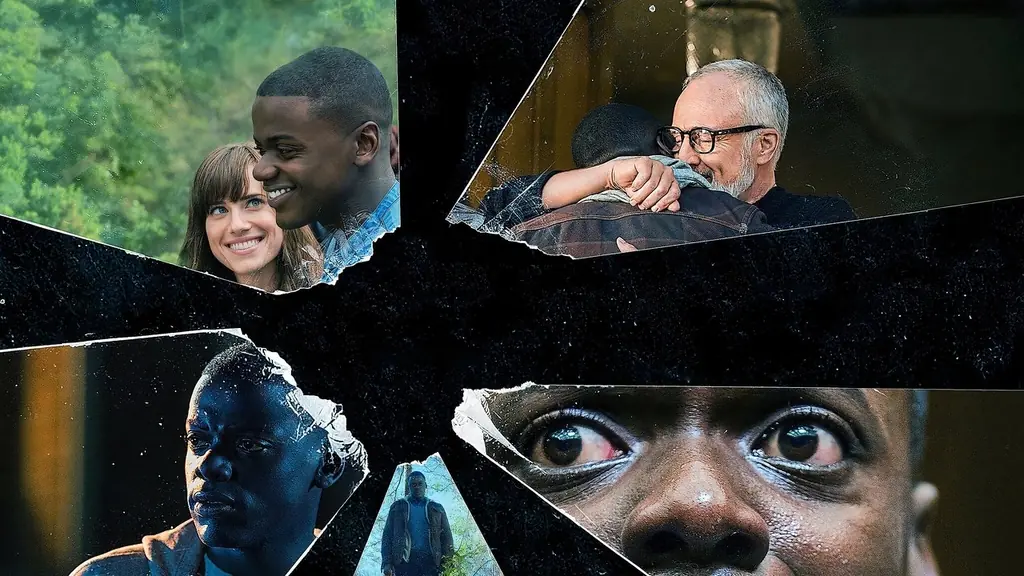
Get Out masterfully navigates the treacherous waters of passive racism, a subtlety that elevates it beyond typical genre fare. Instead of overt, cartoonish bigotry, the film presents a chillingly familiar scenario: a young Black man, Daniel Kaluuya's Chris, visiting his white girlfriend's, Allison Williams' Rose, "awkwardly white" parents. The genius lies in its portrayal of microaggressions and veiled prejudices, making the audience lean in, recognizing the uncomfortable truths. This isn't a slow burn in the boring sense; it's a captivating unraveling of secrets and hidden motives. The performances, particularly from Daniel Kaluuya, Allison Williams, Catherine Keener, and Bradley Whitford, are universally strong, drawing viewers into the unsettling interactions. The film's power comes from its ability to keep you fascinated, piecing together the disturbing reality alongside Chris, making every interaction a tense psychological dance.
Cameos, Nostalgia & Narrative Stakes
While Get Out isn't about cameos or fan service, it excels in building narrative stakes through its compelling character dynamics. The film's structure, with its emphasis on dialogue and interaction, might lead some to label it a "slow burn," but it never feels that way. Instead, the audience is completely engrossed, trying to decipher the true intentions behind every polite smile and seemingly innocent question. The supporting cast, including the memorable LaKeith Stanfield and the comedic relief provided by Marcus Henderson as Chris's best friend, adds layers to the experience. The film's ability to maintain this level of engagement without relying on constant jump scares or overt action is a testament to its sharp writing and direction.
Tone, Direction & Creative Freedom
Jordan Peele's direction is a revelation, crafting a film that is dark, creepy, unsettling, and undeniably eerie. He uses the horror genre as a potent platform for social commentary, making the film incredibly relevant without ever feeling preachy. The tone is consistently unsettling, deriving its scares not from monsters, but from the insidious nature of hidden prejudice and manipulation. This creative freedom allowed Peele to explore complex themes with a unique voice, resulting in a thriller that bites its nails and leaves a lasting impression. The film's ability to blend genuine scares with sharp social critique is its defining characteristic.

The Final Verdict
Get Out is a surprisingly good, deeply impactful film that defies expectations. It's a masterclass in psychological horror, using subtle tension and relevant social commentary to create a truly unforgettable experience. Viewers will walk out with a smile, not just from the thrill, but from the sheer brilliance of its execution. This is a film that demands to be seen and discussed, a modern classic that proves the power of intelligent, unsettling storytelling.
What Worked
- Brilliant social commentary on passive racism
- Consistently unsettling and eerie atmosphere
- Engaging, non-boring "slow burn" narrative
- Outstanding performances from the entire cast
- Expertly blends horror with sharp wit
What Didn't Work
- The unsettling portrayal of passive aggression can be intensely uncomfortable for some viewers.
- Audiences expecting overt, traditional horror scares might find its subtle tension less impactful.
- Its deliberate pacing, focused on character interaction, offers less traditional action sequences.



