
Introduction
From the moment the engine roars, Getaway promises a white-knuckle ride. Audiences were primed for a high-stakes, adrenaline-fueled chase, with Ethan Hawke at the wheel as a former race car driver whose wife has been abducted. The premise is simple: do what the menacing voice on the phone says, or his wife pays the ultimate price. That voice, unmistakably belonging to Jon Voight, sets the stage for a desperate dash across the city, wrecking everything in sight.
The Lead Dynamic & The Action
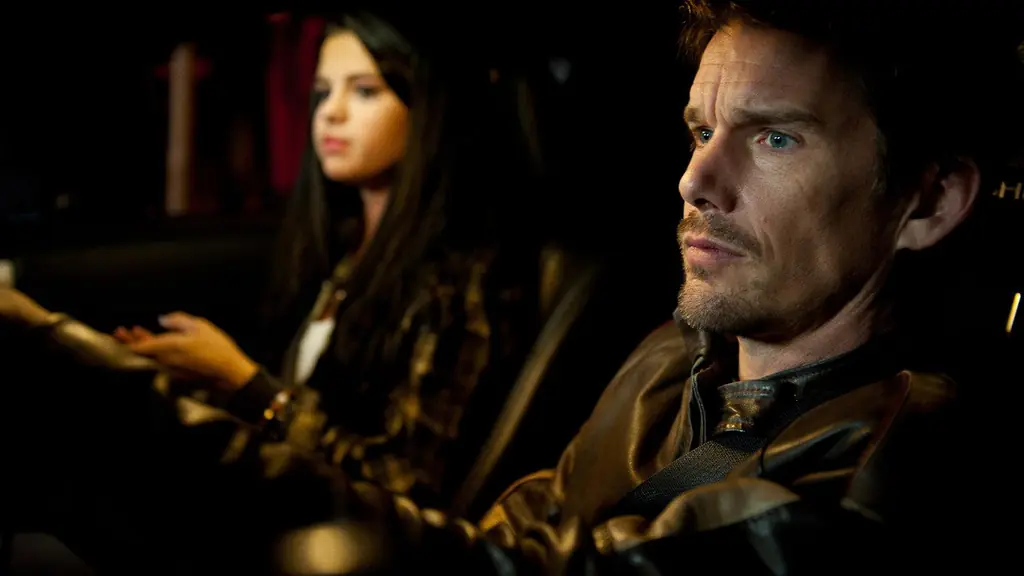
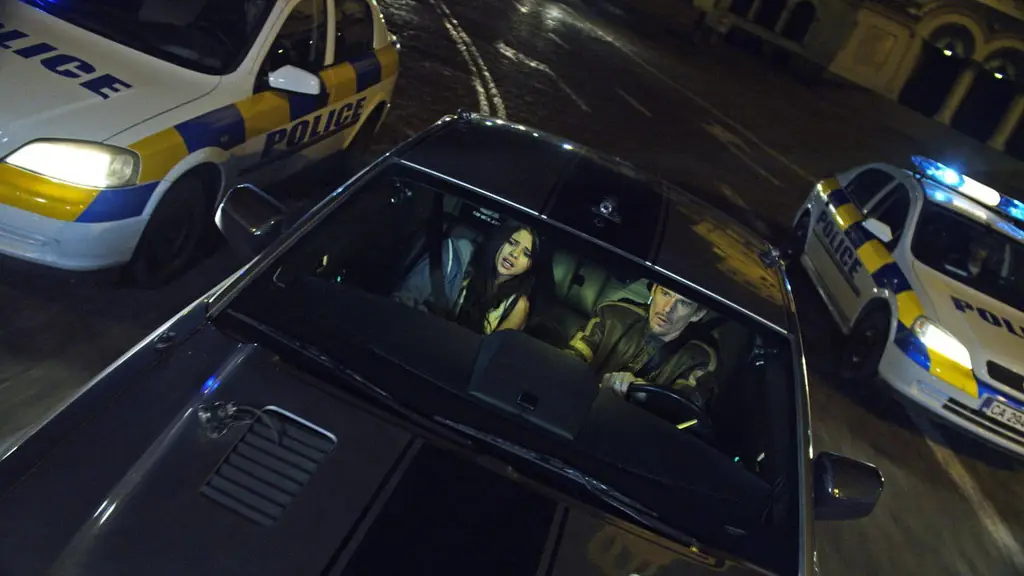
The film quickly introduces Selena Gomez as a would-be carjacker who finds herself unwillingly entangled in the chaos. The mysterious voice, initially demanding her elimination, quickly pivots, instructing Ethan Hawke to bring her along. This forced partnership forms the core dynamic, though the narrative largely prioritizes vehicular destruction over character development. The action itself is relentless, with cars crashing and spinning in mid-air, hot dog carts flying, and general mayhem unfolding at every turn. These chase sequences are undeniably cool to witness, showcasing impressive stunts and collisions that keep the visual spectacle alive.
However, the constant barrage of crashes eventually becomes a double-edged sword. What starts as "awesome" quickly devolves into a repetitive loop, akin to listening to a catchy song on repeat for too long. The initial thrill gives way to a sense of "haven't we seen this already?" The film leans heavily on its car chases, often at the expense of a compelling story or engaging dialogue between its leads.
Cameos, Nostalgia & Narrative Stakes
While the film attempts to build narrative stakes around the kidnapped wife and the mysterious antagonist, the execution falls flat. The voice on the phone, clearly Jon Voight, telegraphs the film's "big twist" long before it arrives. The movie tries to pull a "Saw"-esque reveal, where the wrong person is seemingly captured, only for the true mastermind to emerge. Yet, because Jon Voight's voice and face are so recognizable, the intended surprise is completely undermined. There's no genuine shock when the real villain is revealed, as the audience has already pieced it together. This predictability strips the narrative of any real tension or emotional investment, leaving the audience to simply observe the escalating destruction.
Tone, Direction & Creative Freedom
Courtney Solomon's direction prioritizes spectacle over substance, delivering a "Grade B" action experience. The film feels less like a meticulously crafted thriller and more like a live-action version of a video game, specifically drawing comparisons to the "Burnout" series. While the visual effects of cars colliding are impressive, the lack of a strong script means these moments exist in a vacuum, failing to contribute to a cohesive or meaningful story. The film's tone is one of constant, unyielding chaos, which, without proper pacing or narrative anchors, can become exhausting rather than exhilarating. It's a movie that seems to revel in its own destruction, but forgets to give the audience a reason to care about the characters caught in the crossfire.
The Final Verdict
Getaway is a film that delivers exactly what its title suggests: a relentless, albeit repetitive, series of car chases and explosions. It's a movie best consumed as background noise, something to have on while engaging in other activities, where you can glance up and catch a cool crash without needing to follow a complex plot. While the visual spectacle of cars flying through the air is undeniable, the weak script and predictable twist prevent it from ever shifting into high gear as a truly engaging thriller. For those seeking pure, unadulterated vehicular mayhem and little else, Getaway might offer a fleeting distraction, especially if viewed with a relaxed, uncritical eye.
What Worked
- Relentless and visually impressive car chases
- Dynamic scenes of cars colliding and spinning in mid-air
- [[person:77948|Selena Gomez]] provides an engaging screen presence
- Constant action and explosions make for good ambient viewing
What Didn't Work
- Repetitive action sequences quickly become tiresome
- Weak, underdeveloped script with little narrative depth
- Predictable twist ruined by [[person:10127|Jon Voight]]'s recognizable voice
- Lacks genuine character development and emotional stakes



