A Courtroom Drama or a Call to Arms?
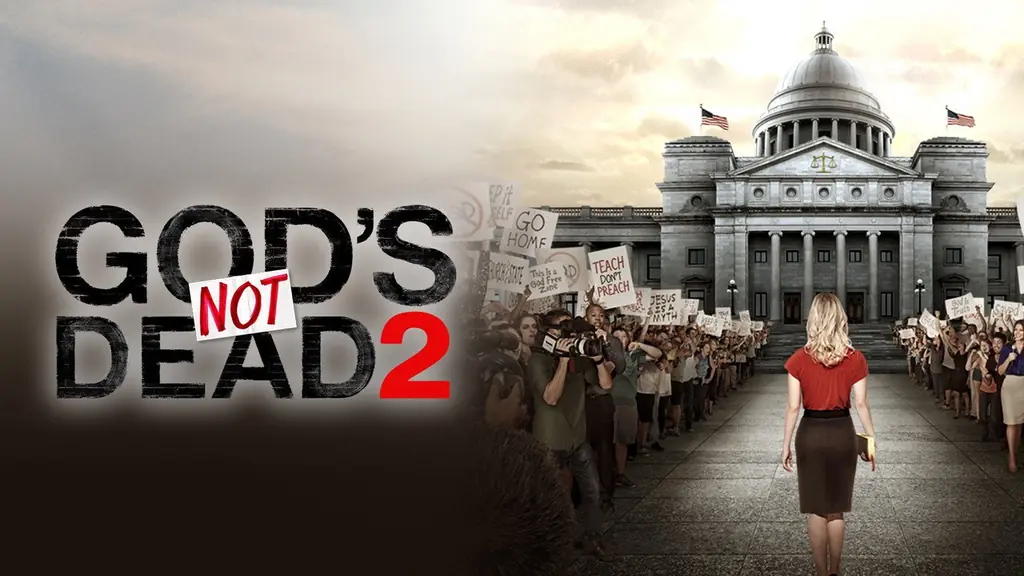
Released on April Fool's Day, God's Not Dead 2 arrived with an immediate, if unintentional, irony. From its very premise, this film positions itself as a conservative Christian "propaganda piece," a label the film critic readily acknowledges. While propaganda isn't inherently detrimental to cinematic quality, in the case of God's Not Dead 2, it proves to be its undoing. The film centers on a teacher, played by Melissa Joan Hart, who faces legal action for mentioning Jesus in her classroom. What unfolds is a courtroom battle, but one where the scales of justice are anything but balanced.
The Unbalanced Scales of Justice
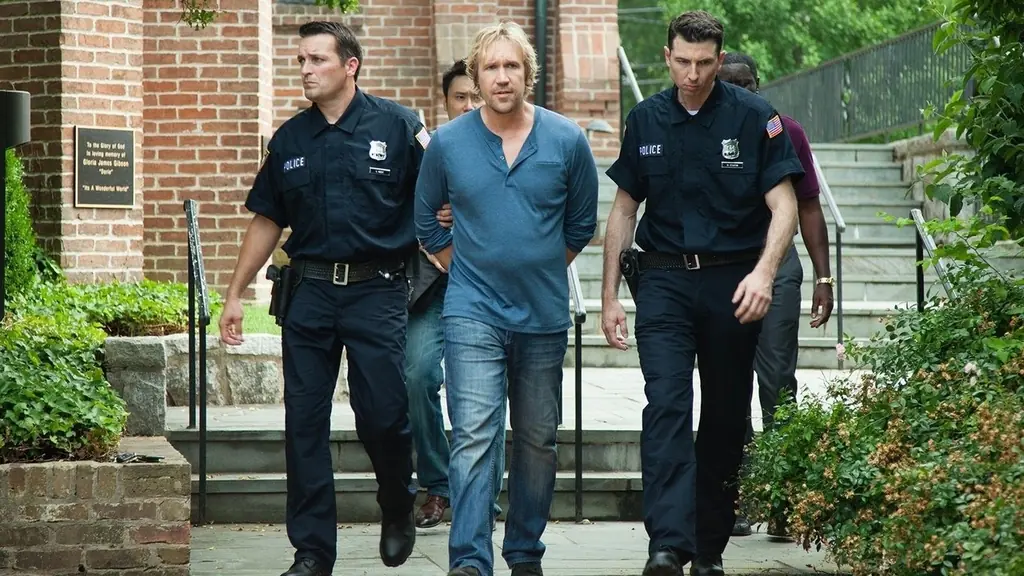
From the opening frames, Harold Cronk's direction immediately sets a confrontational tone, villainizing any opposing viewpoint. The narrative quickly establishes atheists as unsympathetic, exemplified by a scene where a grieving family member is dismissively told, "Atheism doesn't take away the pain. It just takes away the hope." This kind of unfair characterization permeates the film, painting the "other side" as inherently malicious. The prosecuting attorney, for instance, openly declares his disdain for the teacher's beliefs, stating, "They need to be stomped out." This blatant demonization of characters for the sake of an agenda means logic and genuine legal debate are quickly abandoned. The courtroom scenes, which should thrive on intellectual sparring, instead become a platform for one-sided arguments, where objections are selectively sustained or ignored to serve the film's predetermined narrative.
Agenda Over Narrative Stakes
The film's plot hinges on a rather audacious legal strategy: proving the historical existence of Jesus in a court of law. This concept, proposed by Melissa Joan Hart's character to her lawyer, played by Jesse Metcalfe, strains credulity. The lawyer, despite not sharing her faith, inexplicably embraces this idea, a significant missed opportunity to explore a more nuanced dynamic. The film also veers into fear-mongering, with characters declaring "we're at war" and suggesting that religious persecution is imminent. This rhetoric, delivered with a lack of subtlety, feels designed to scare and rally its audience rather than engage them in thoughtful discourse. The pacing is dictated by the need to push its message, often at the expense of character development or believable plot progression.
A Lack of Creative Freedom and Subtlety
The direction of God's Not Dead 2 is entirely subservient to its agenda. There's no room for creative freedom when every scene is engineered to reinforce a singular viewpoint. The film's climax, where the verdict is seemingly swayed by a collective prayer rather than legal merit, feels like a narrative cop-out. It bypasses the opportunity for a compelling courtroom resolution, opting instead for a "magic" solution that undermines any pretense of realism. The entire experience is a relentless beating-over-the-head with one side of an argument, leaving little room for genuine connection with the characters or their struggles.
The Final Verdict
God's Not Dead 2 is a film that prioritizes its message above all else, resulting in a heavy-handed and often illogical cinematic experience. It's a blatant propaganda piece, devoid of the subtlety or balanced perspective that might have made its arguments compelling. While it attempts to engage with important themes of faith and freedom, its execution alienates rather than persuades, leaving audiences with a forgettable and frustrating viewing.
What Worked
- Features a recognizable cast including [[person:78501|Melissa Joan Hart]] and [[person:57171|Jesse Metcalfe]].
- Presents a clear, albeit overt, message regarding faith.
- Engages with contemporary debates surrounding religious freedom in public education.
- Aims to rally a specific audience around its core beliefs.
What Didn't Work
- Blatant and unsubtle propaganda that villainizes opposing viewpoints.
- Sacrifices logical courtroom proceedings for its agenda.
- Features fear-mongering rhetoric and a contrived, "magic" ending.
- Missed opportunities for nuanced character development and plot exploration.